Chinese
Houyi Shoots the Ten Suns
Ten suns climbed into the sky at once and the world began to cook: the crops charred, the trees died, and the people had nothing left to eat. So the sage-emperor Yao sent for an archer.
The hero-vs-beast pattern; taming or slaying the monstrous.
Ten suns climbed into the sky at once and the world began to cook: the crops charred, the trees died, and the people had nothing left to eat. So the sage-emperor Yao sent for an archer.
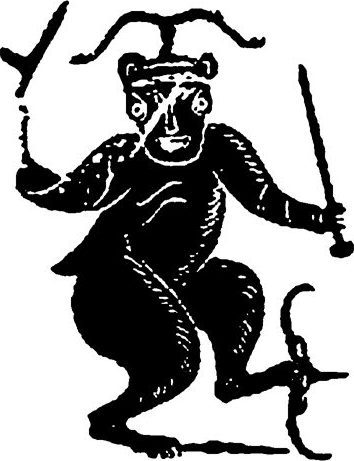
Dig in the fields of the old north country and you may turn up a skull hard as bronze, or a tooth two inches long that no hammer will break: the bones, people said, of the horned god of war the Yellow Emperor could kill but never quite be rid of.
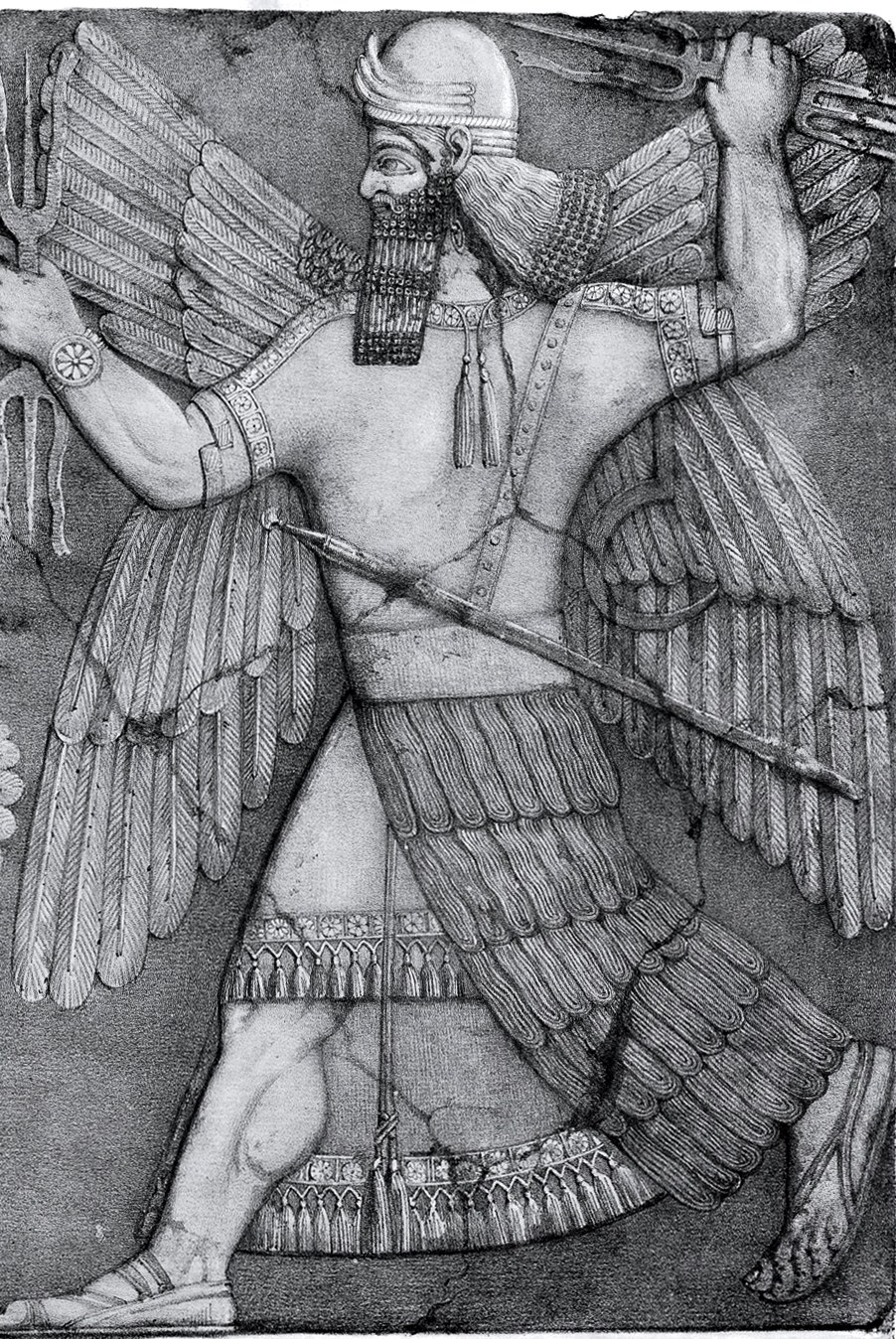
She was the salt ocean before the ocean had a shore, the mother of every god, and the body a younger god would one day split open to roof the sky. This is Tiamat as a being: her names, her monstrous brood, and how her carcass became the world.
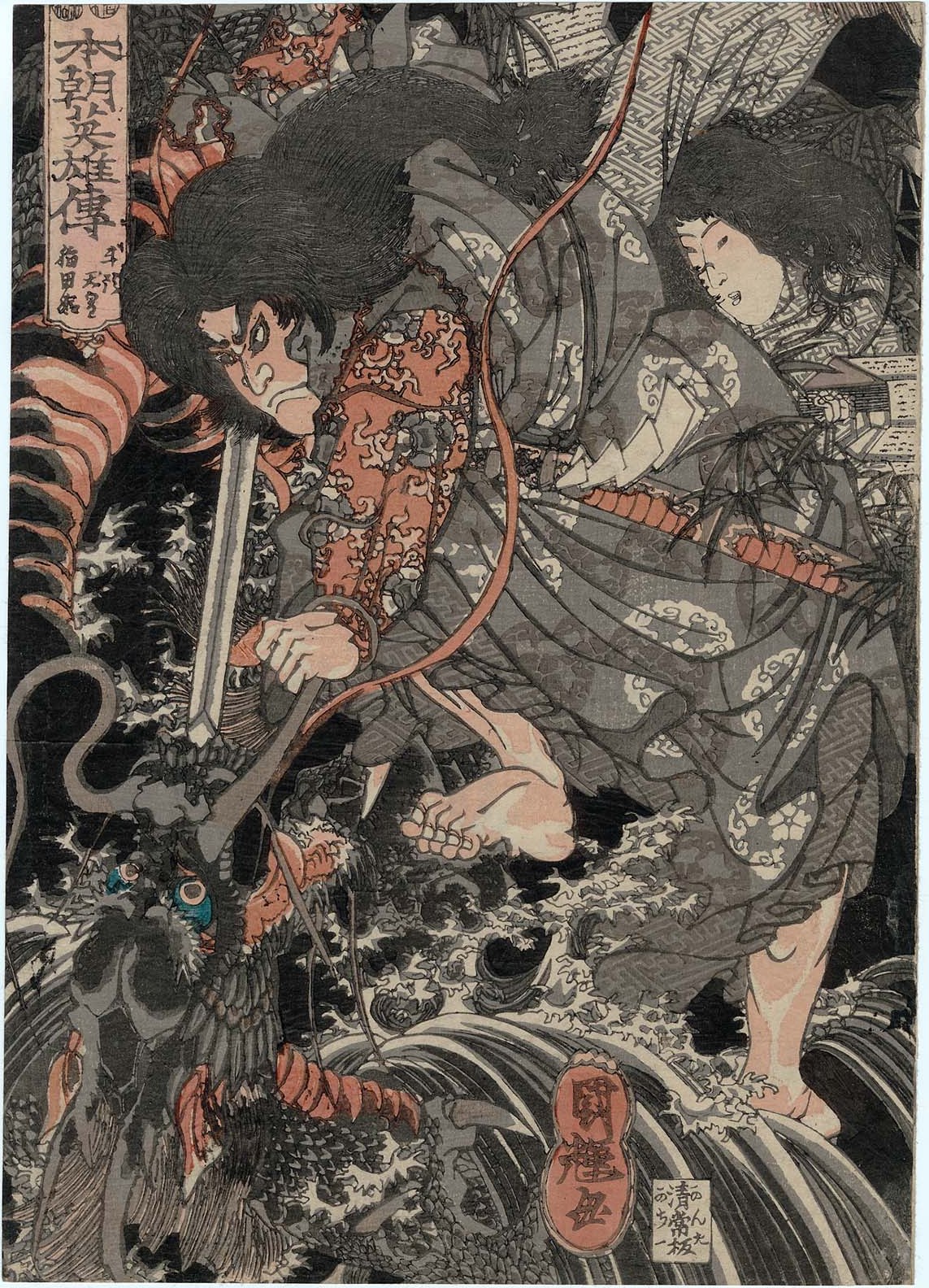
Three storm-gods, three chaos-serpents, three ways to win. Indra and Zeus burn their dragons with the thunderbolt, but the god of Izumo does something neither of them does: he pulls a sword out of the dead beast.
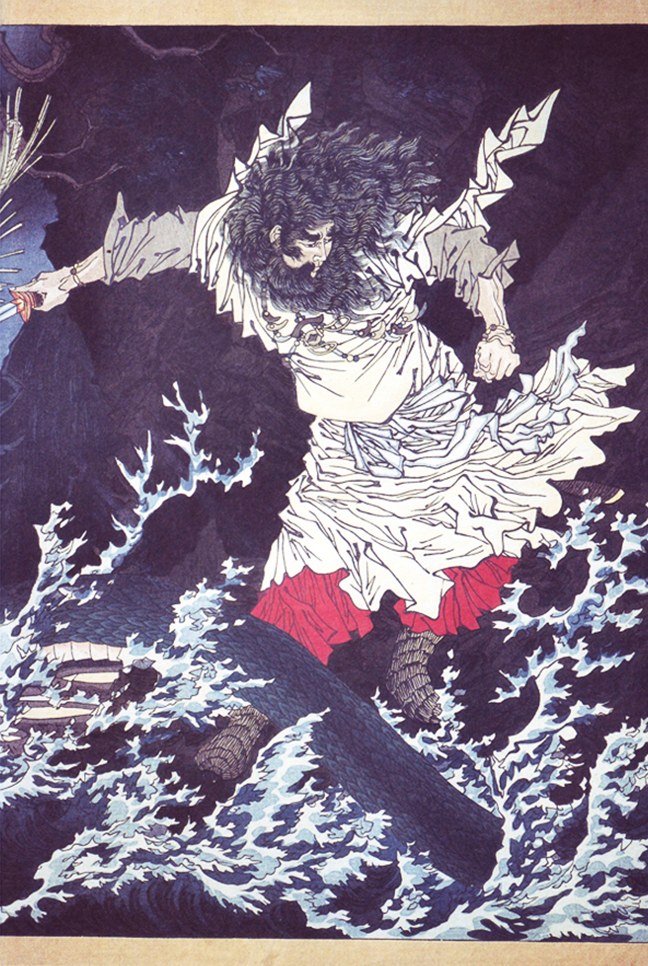
Born from a washed nose, he wept the green mountains bare and was cast out of two worlds before he ever drew a sword on the eight-headed serpent: the most turbulent of the Japanese gods, expelled troublemaker turned culture-hero of Izumo.
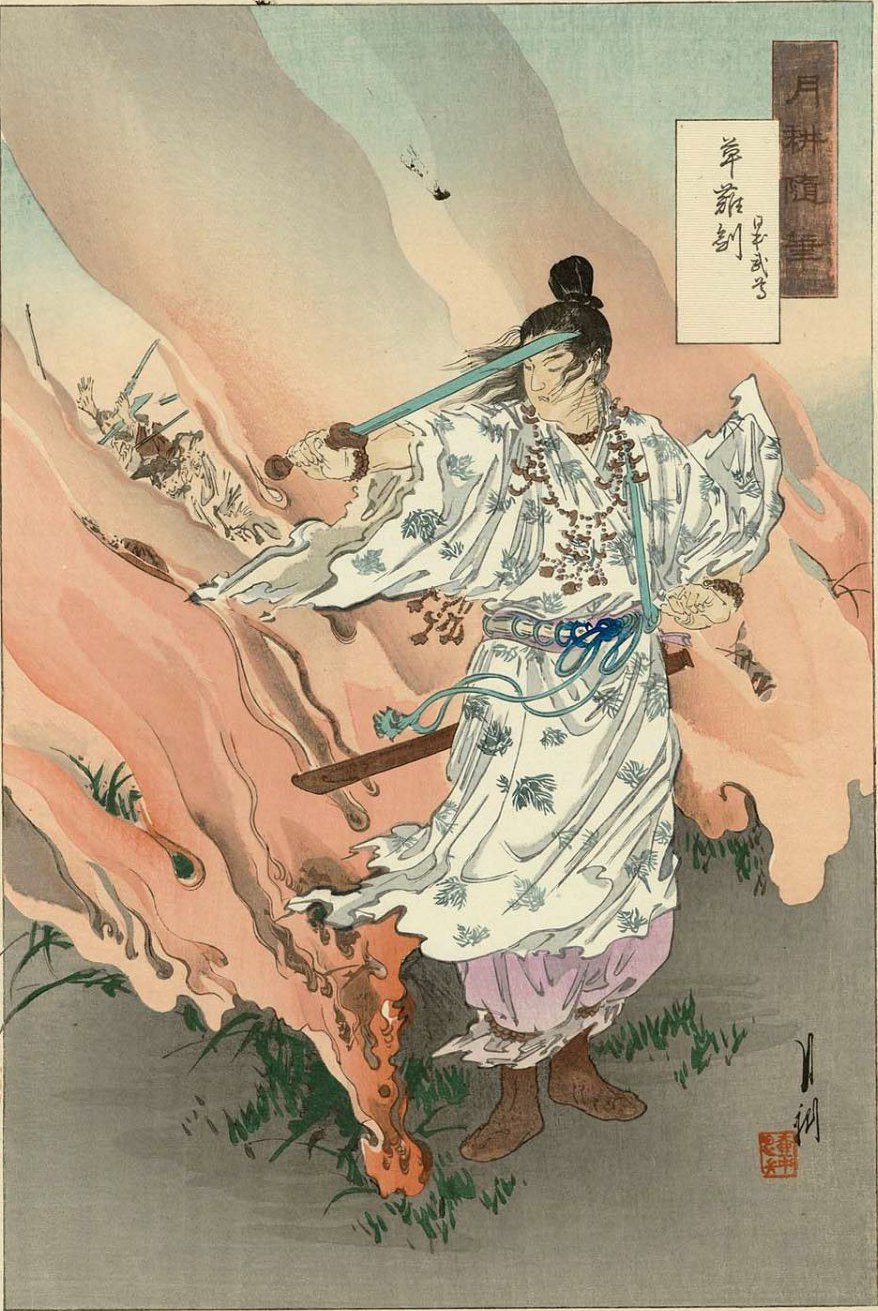
A mirror forged to trap the sun, a sword drawn from a monster's tail, and a string of curved jewels: how three objects became the proof that Japan's emperors were born to rule.
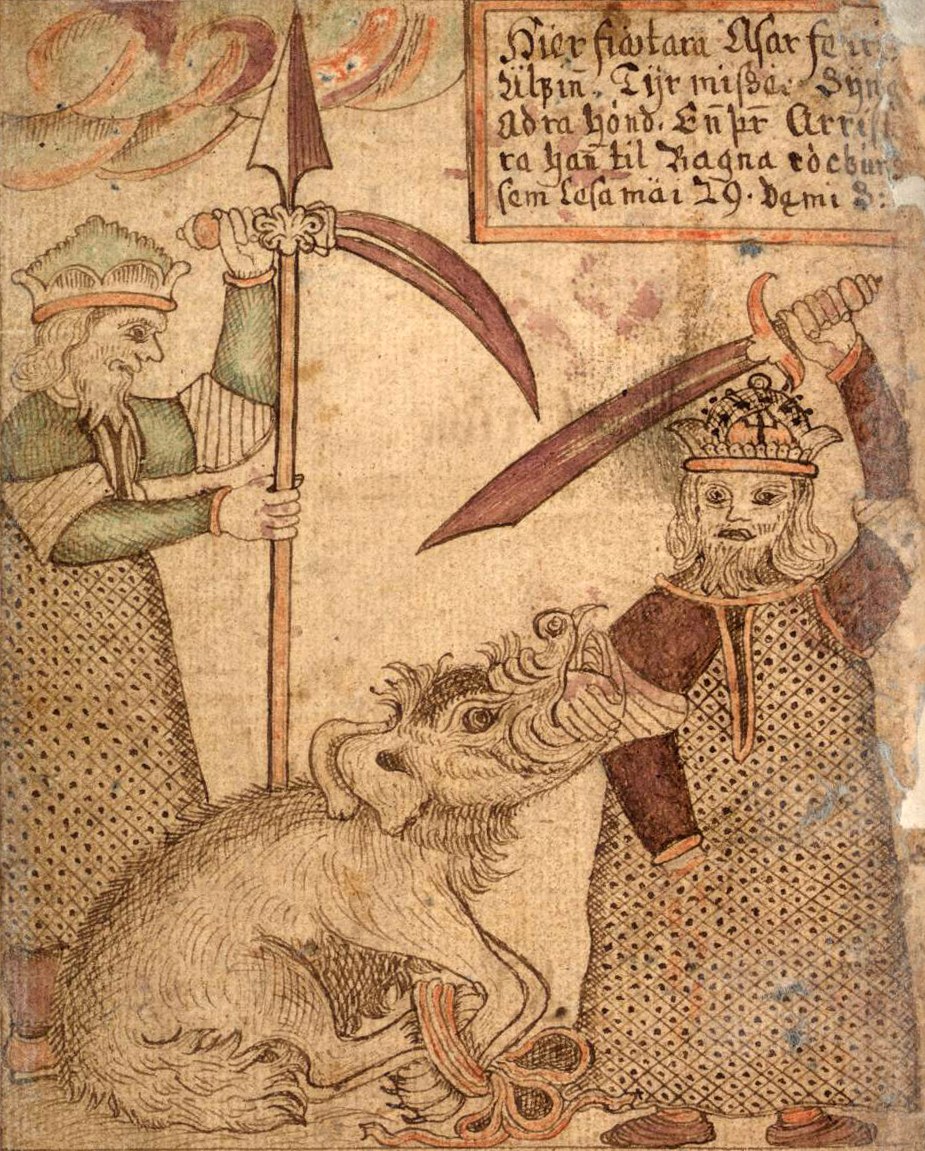
The boldest of the Aesir laid his sword-hand in a wolf's jaws to bind a doom he could not defeat, and lost it: the god who kept a pledge he knew was false.
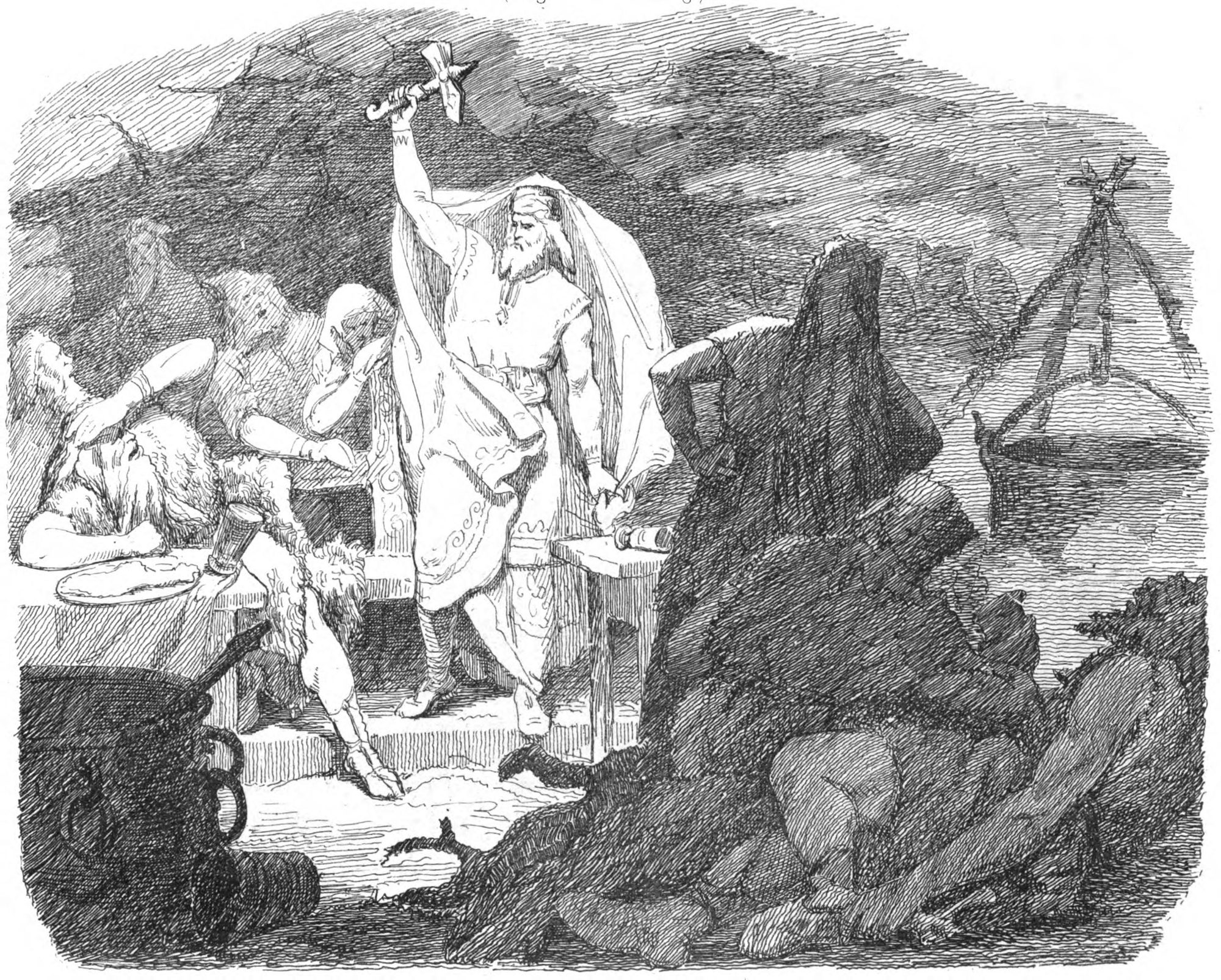
A giant buries the thunder-god's hammer eight leagues down and names his ransom: the goddess Freyja for his bride. So the strongest of the gods is bound into a bridal veil and sent to a wedding he means to end with a killing.
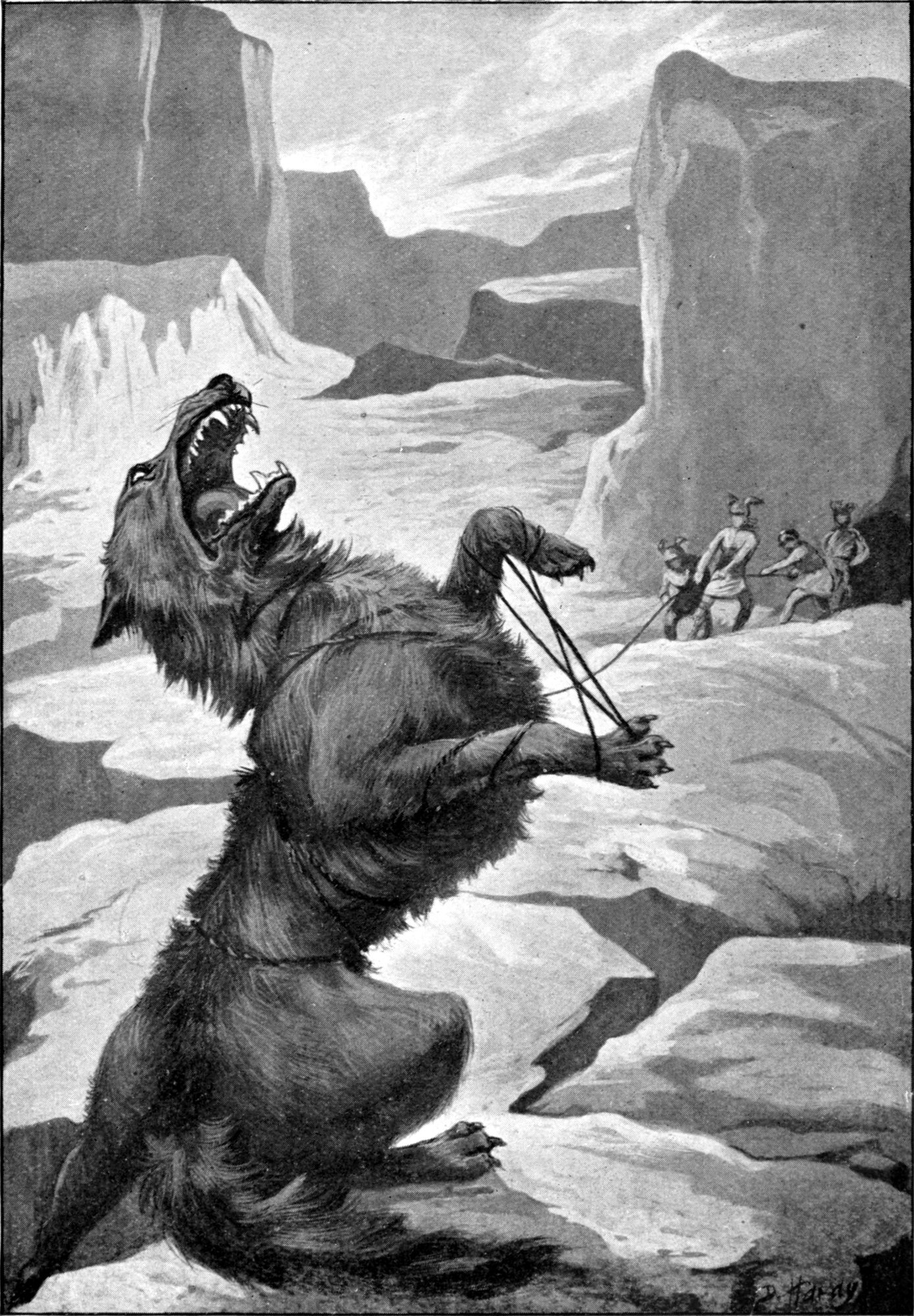
A wolf the gods reared at home, two iron chains he snapped like kindling, and a ribbon of six impossible things: how the Aesir caught the beast fated to kill Odin, and what it cost the one god brave enough to feed him.
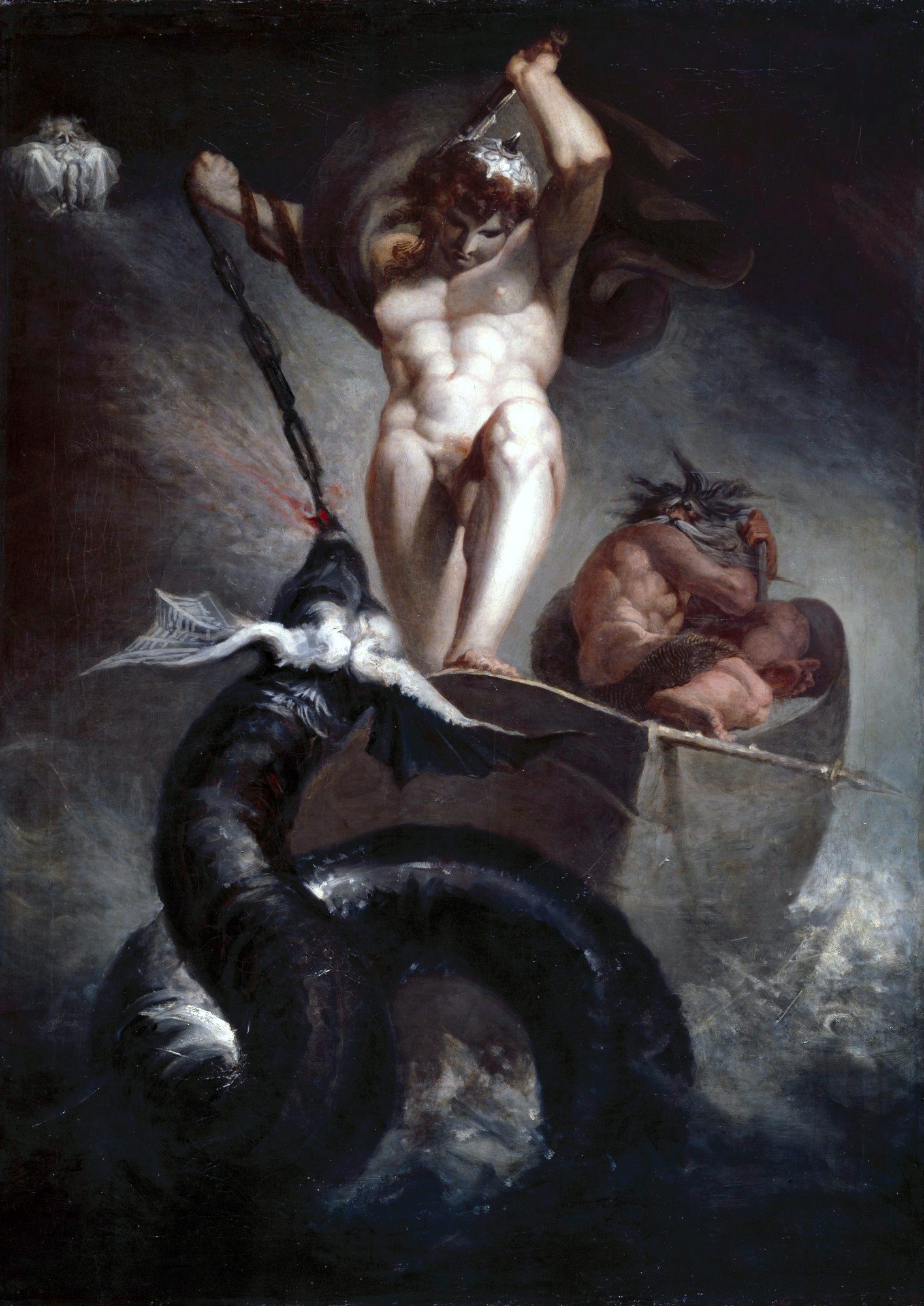
Odin flung a newborn snake into the sea to be rid of a prophecy, and it grew until it ringed the whole earth and bit its own tail: the boundary of the world, and the one foe fated to kill Thor even as Thor kills it.
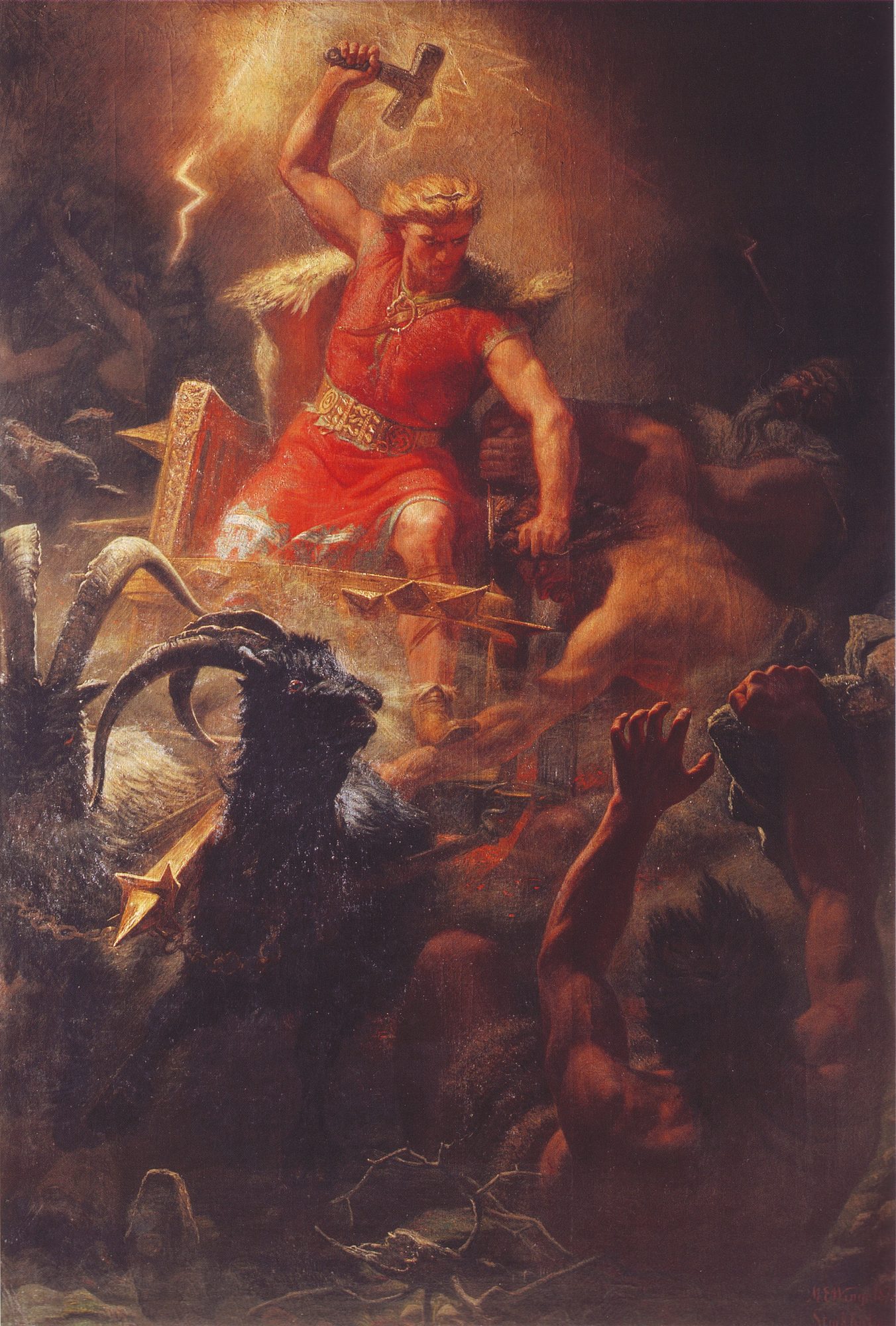
The strongest of the gods wakes to find his hammer gone, and the only way to get it back is to put on a bridal veil: a portrait of the Aesir's giant-killer at his most terrifying and his most absurd.
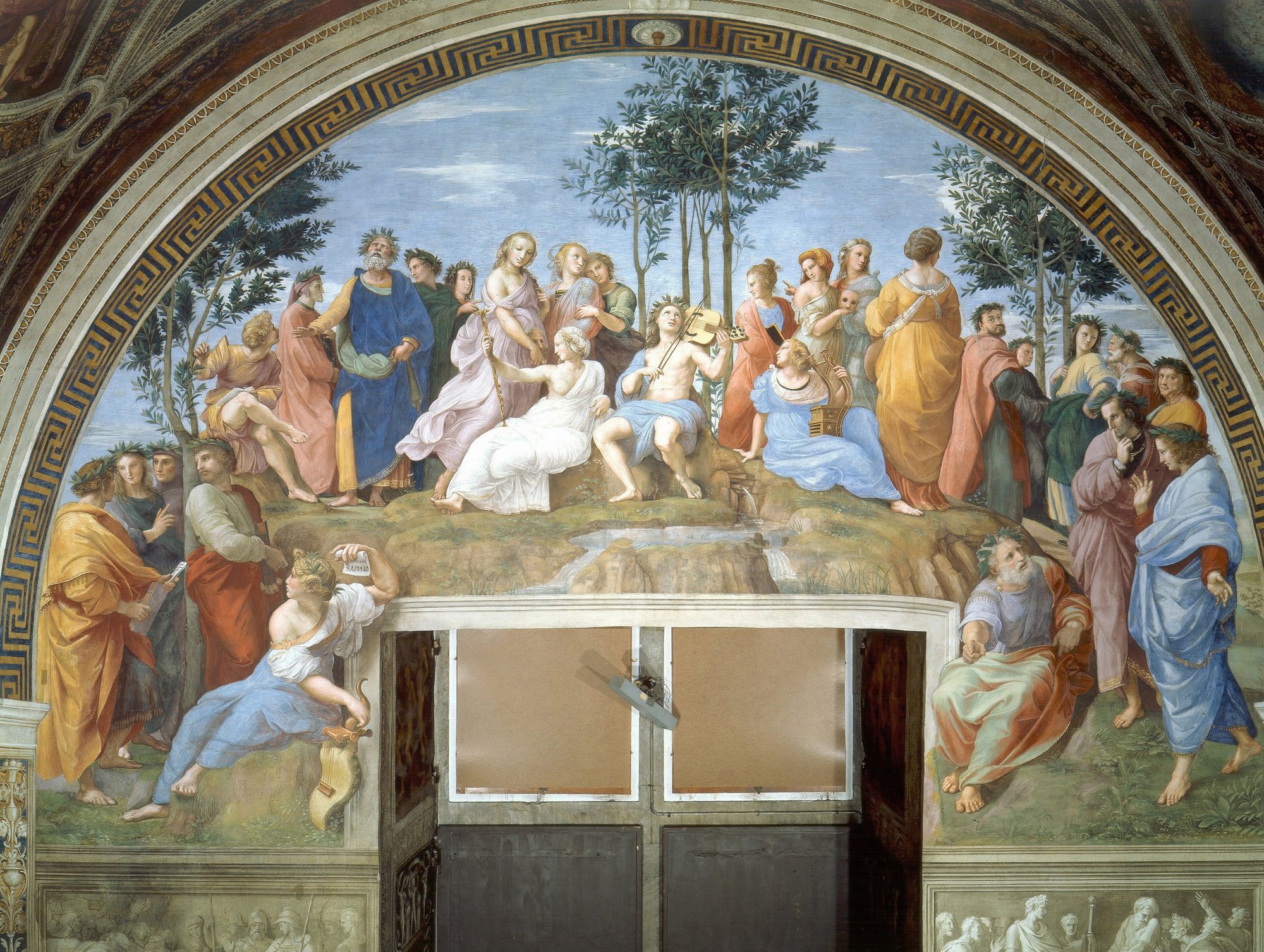
The newborn who burst his swaddling bands to claim the lyre, the bow and the truth of Zeus, then killed a dragon to found the oracle that spoke for him.
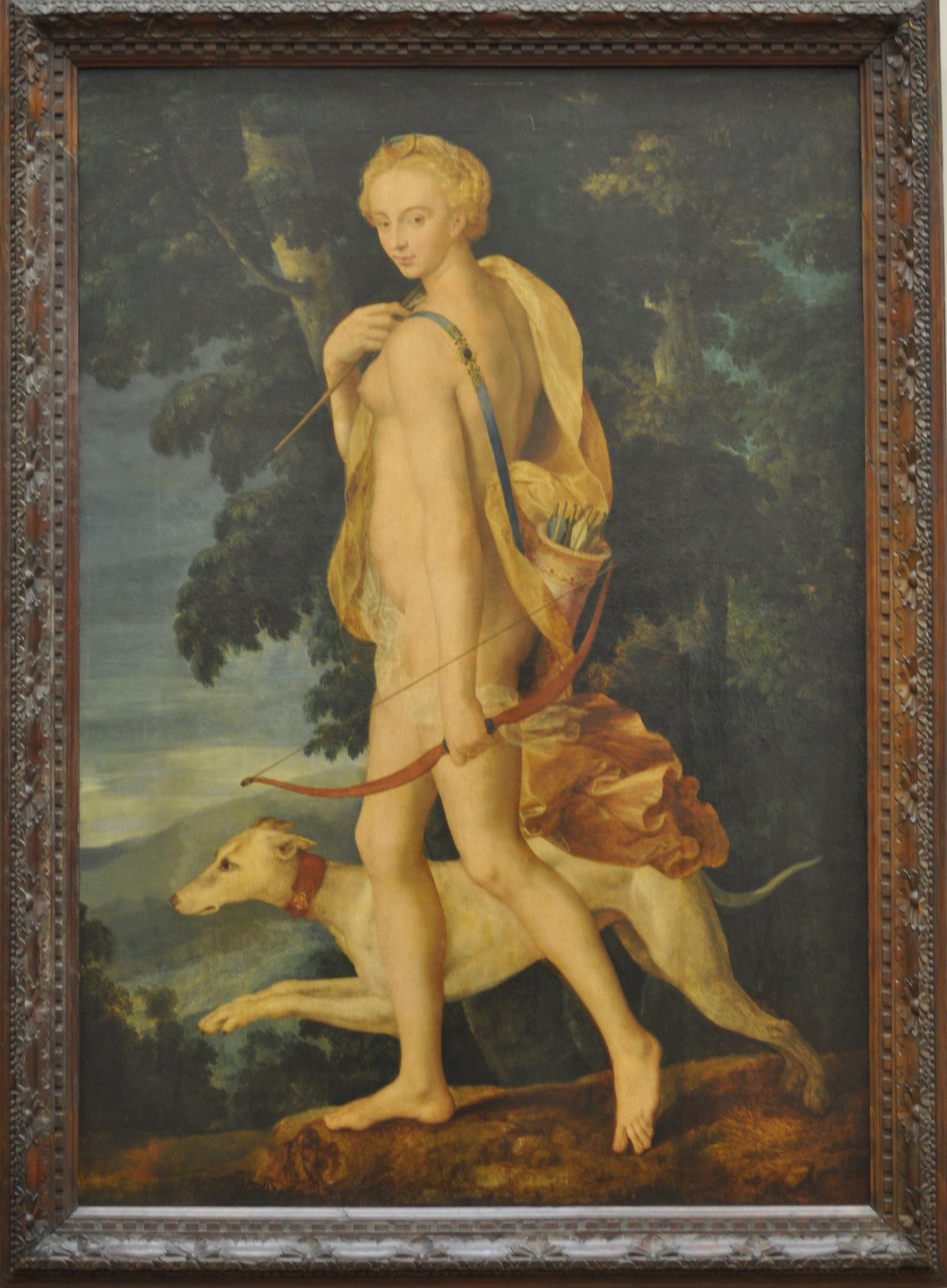
The small child who climbed onto her father's knee and asked for a bow, eternal maidenhood and all the mountains in the world, then took them.
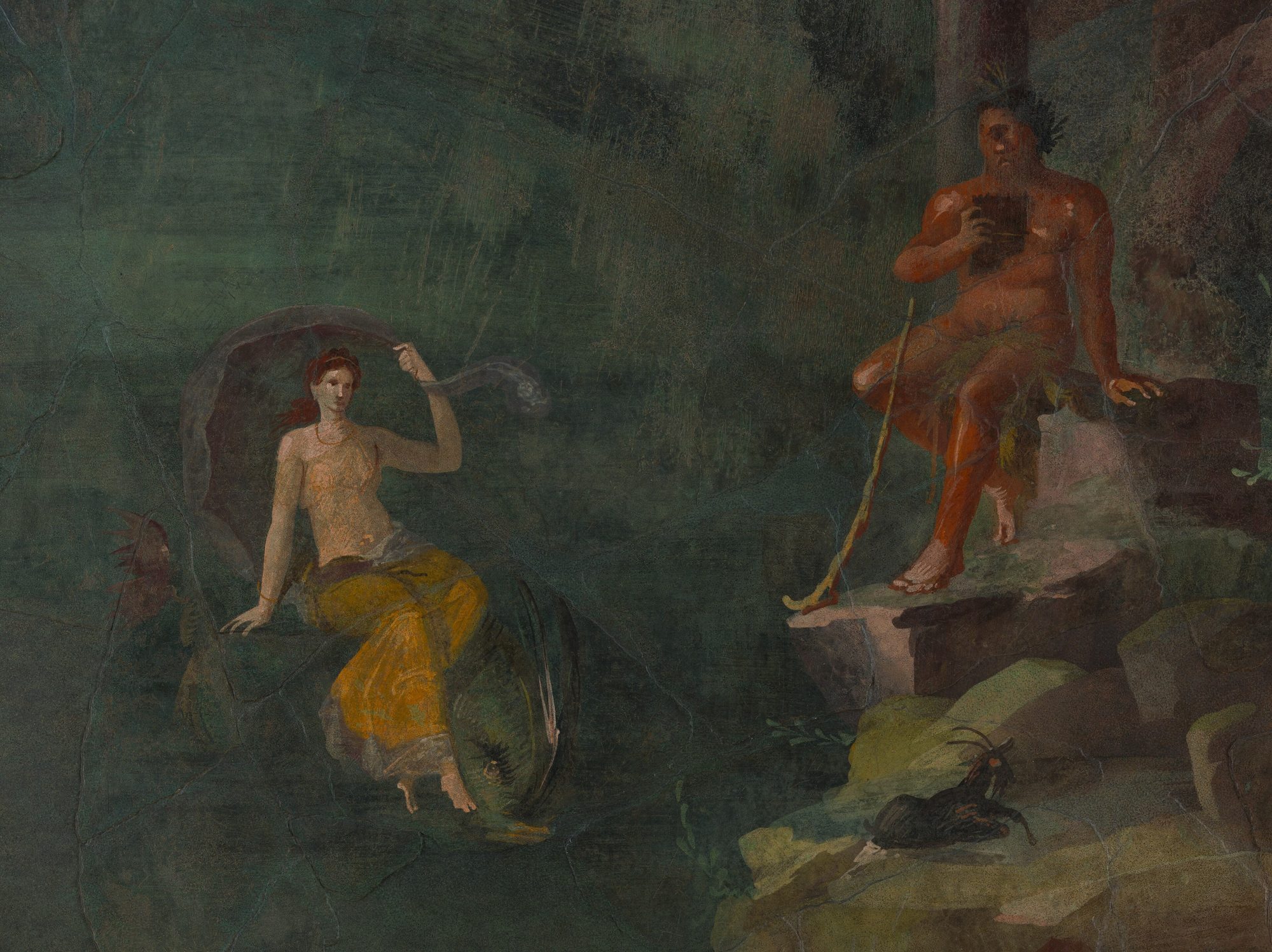
He beat a giant with a lie and a sharpened stake, then threw it all away for the pleasure of hearing the monster learn his name.
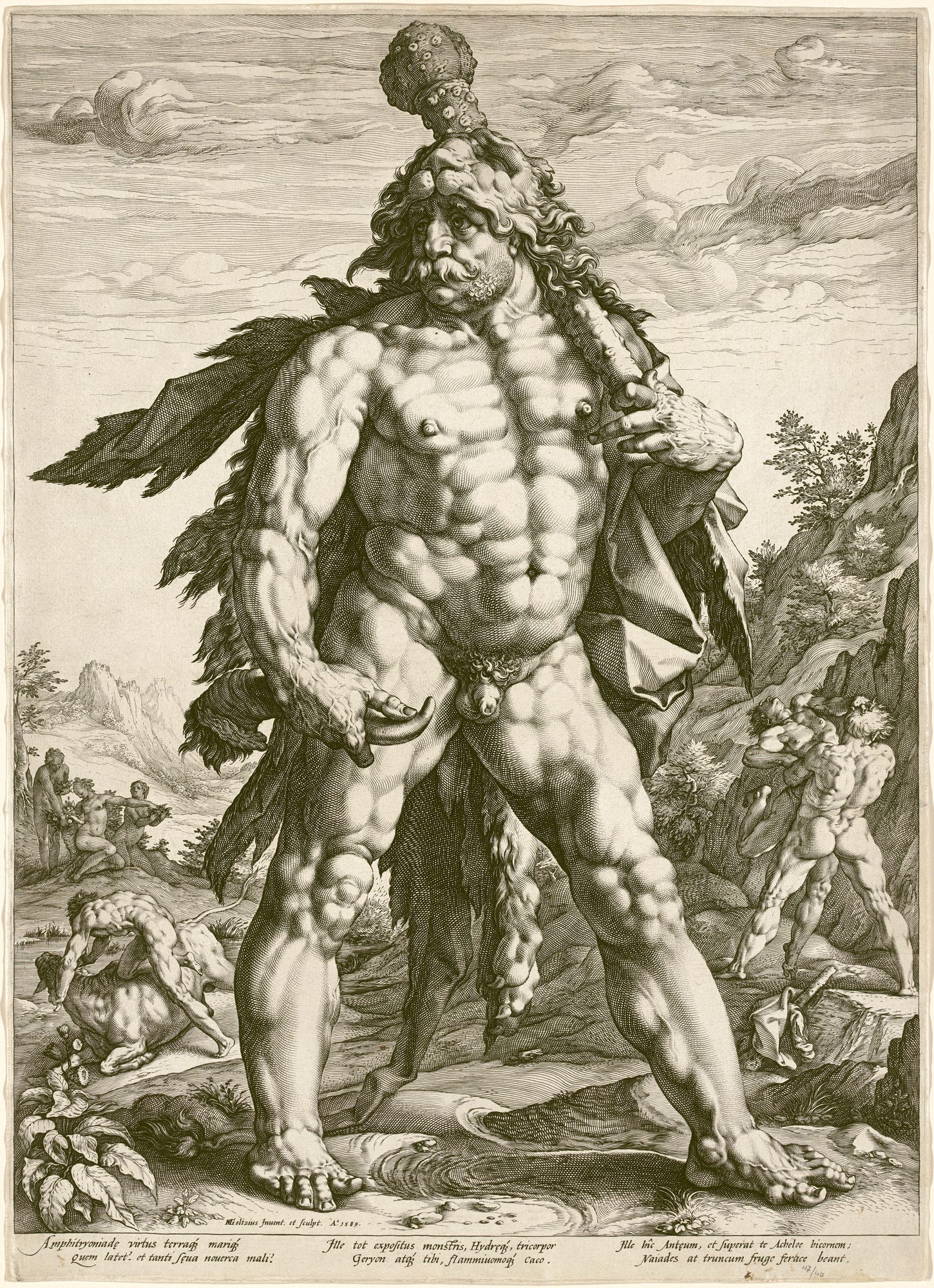
The strongman son of Zeus strangled serpents in his cradle and cleaned the world of monsters, but the labour that made him a god began in the ruin of his own house.
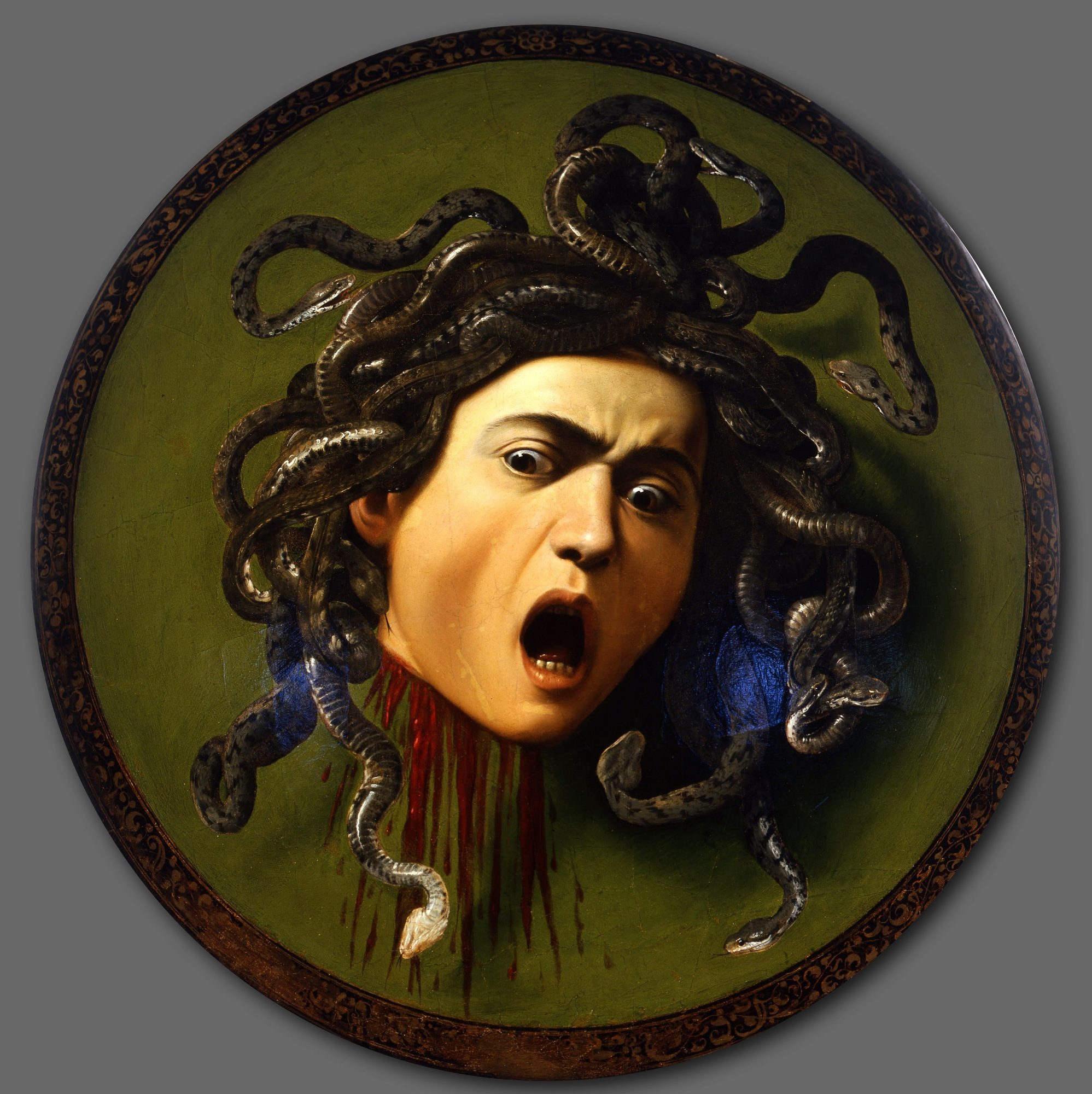
A face no one could look at and live, and a hero who beat it by refusing to look. The only mortal monster in a family of immortal ones, killed in her sleep.
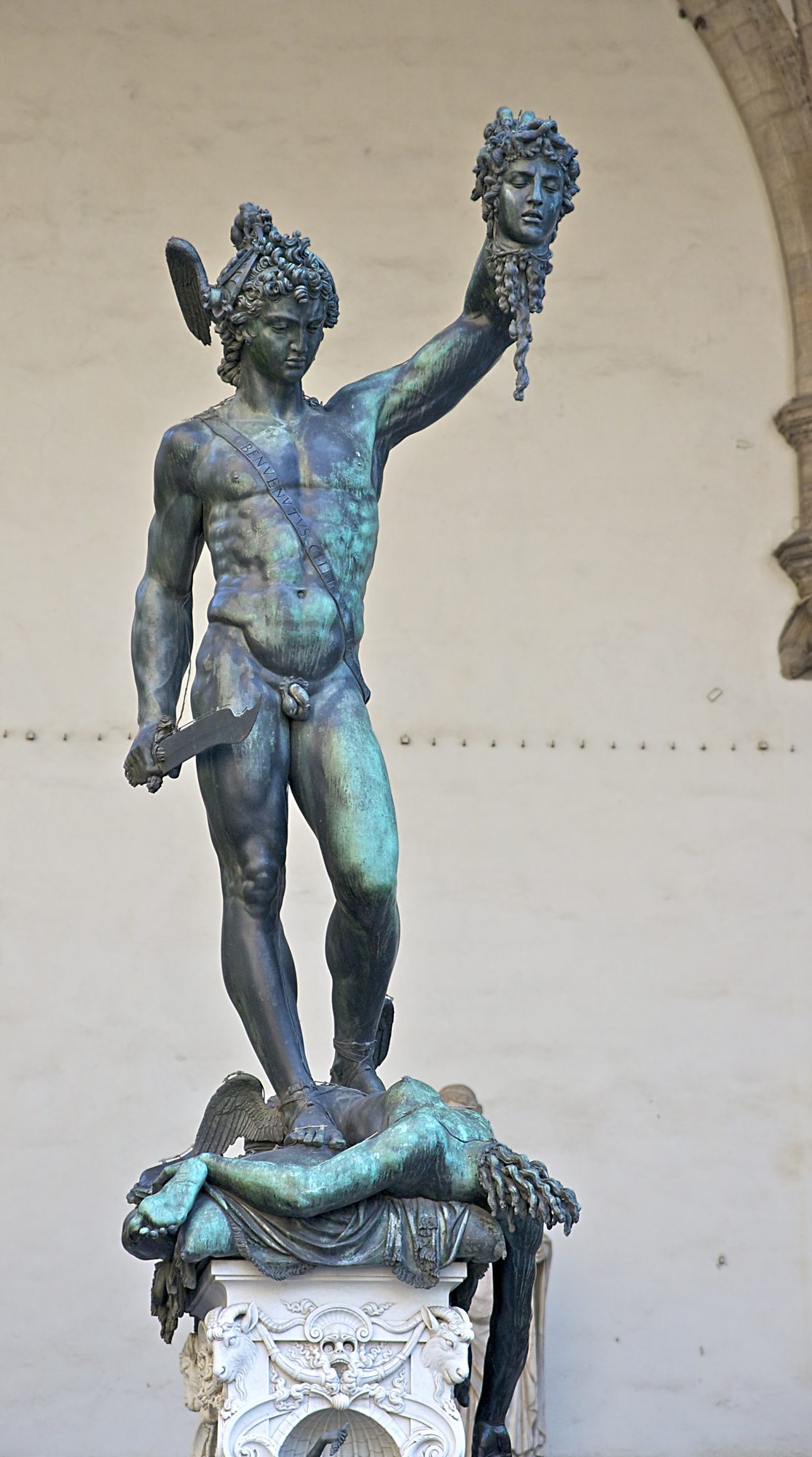
Locked in a bronze cell, cast to sea in a chest, sent for a head no man could look at and live. The hero who won by never looking, and killed his grandfather by accident.
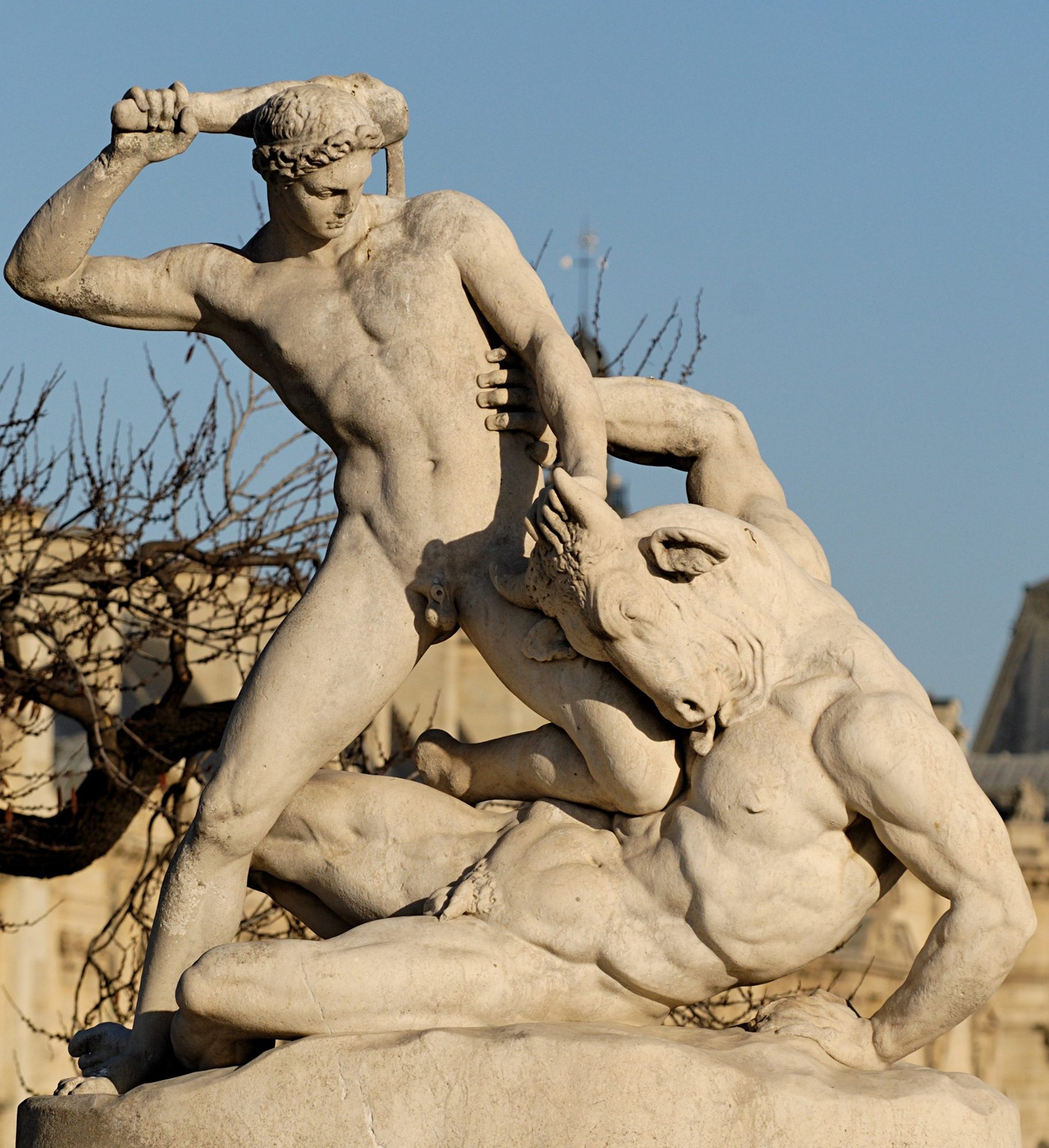
A prince who chose the killers' road, unwound a thread through the dark to end a monster, and forgot a single sail. The founder Athens made in its own image, remembered for what he built and what he abandoned.