Japanese
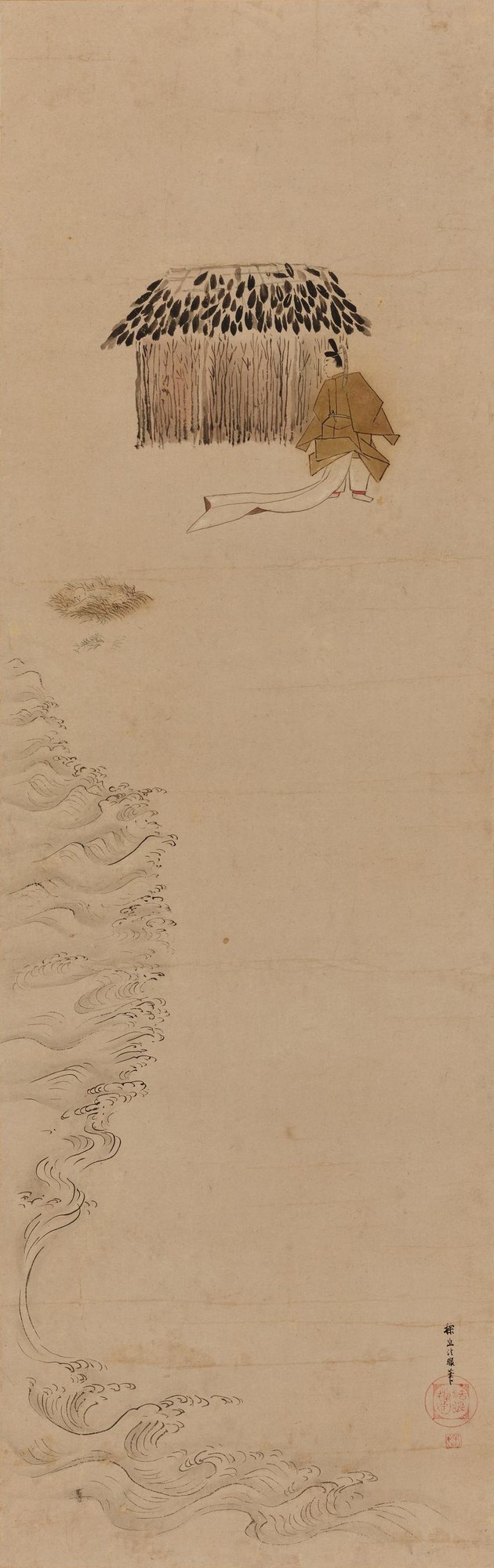
Ugayafukiaezu, Born Beneath the Unfinished Roof
His name means "the cormorant-feather roof was not finished". Born at the edge of land and sea, Ugayafukiaezu stands between the gods of Japan's oldest chronicles and the human imperial line.
The kami, the imperial ancestors, and the spirits of land and sea — told from the Kojiki, the Nihon Shoki, and the old fudoki, with every claim kept honest to its source.
His name means "the cormorant-feather roof was not finished". Born at the edge of land and sea, Ugayafukiaezu stands between the gods of Japan's oldest chronicles and the human imperial line.
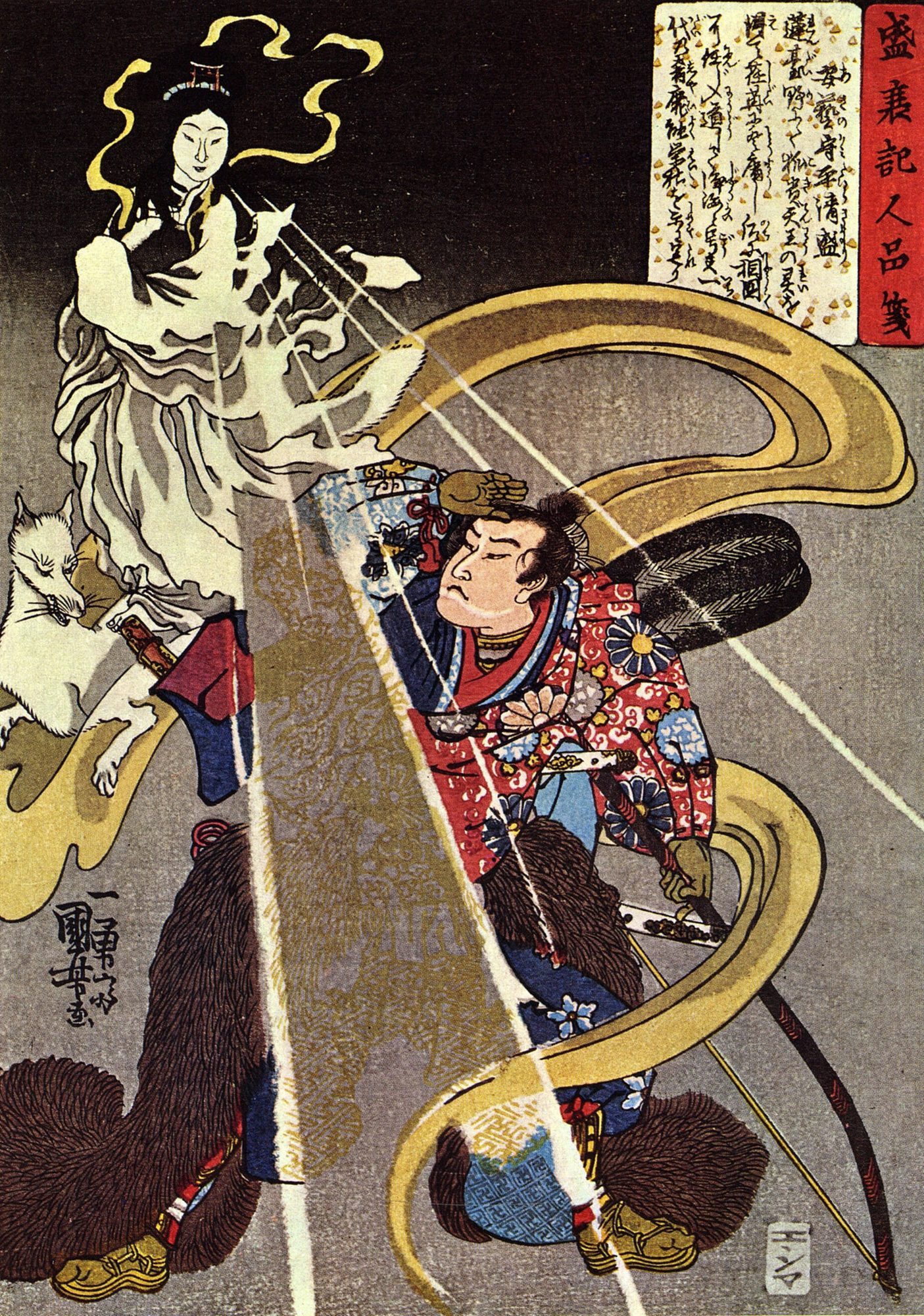
A rich man shot arrows at a rice-cake for sport, and the wasted rice rose up as a white bird and flew to a mountain where rice began to grow: the founding legend of Japan's most-worshipped kami, whose name means the rice becomes.
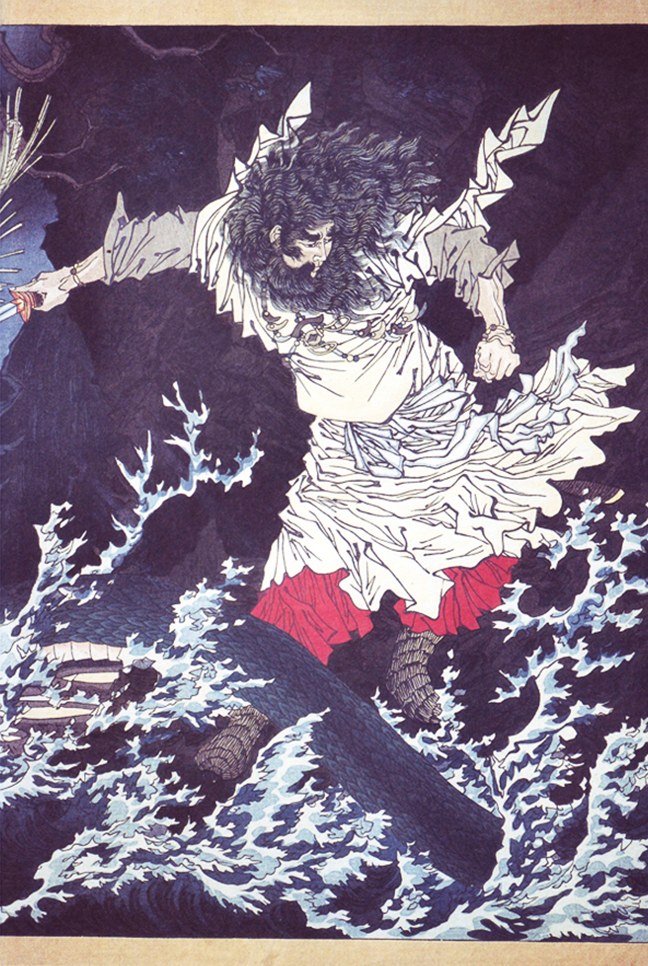
Born from a washed nose, he wept the green mountains bare and was cast out of two worlds before he ever drew a sword on the eight-headed serpent: the most turbulent of the Japanese gods, expelled troublemaker turned culture-hero of Izumo.
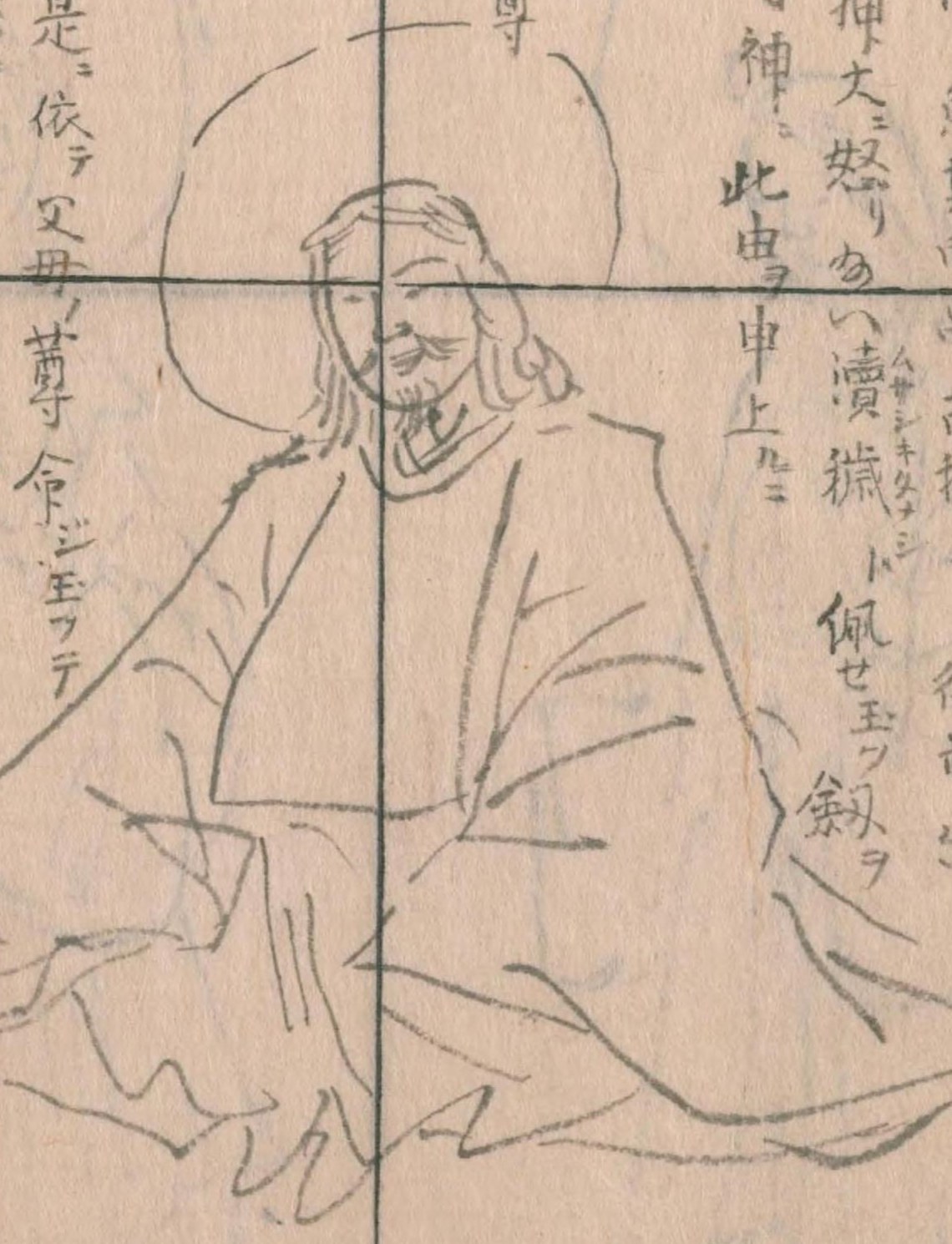
Born from the right eye of a god washing himself clean of the dead, the moon drew his sword on a goddess who fed him from her mouth, and for that the sun turned her face away: the quiet god whose one act set the sun and moon apart.
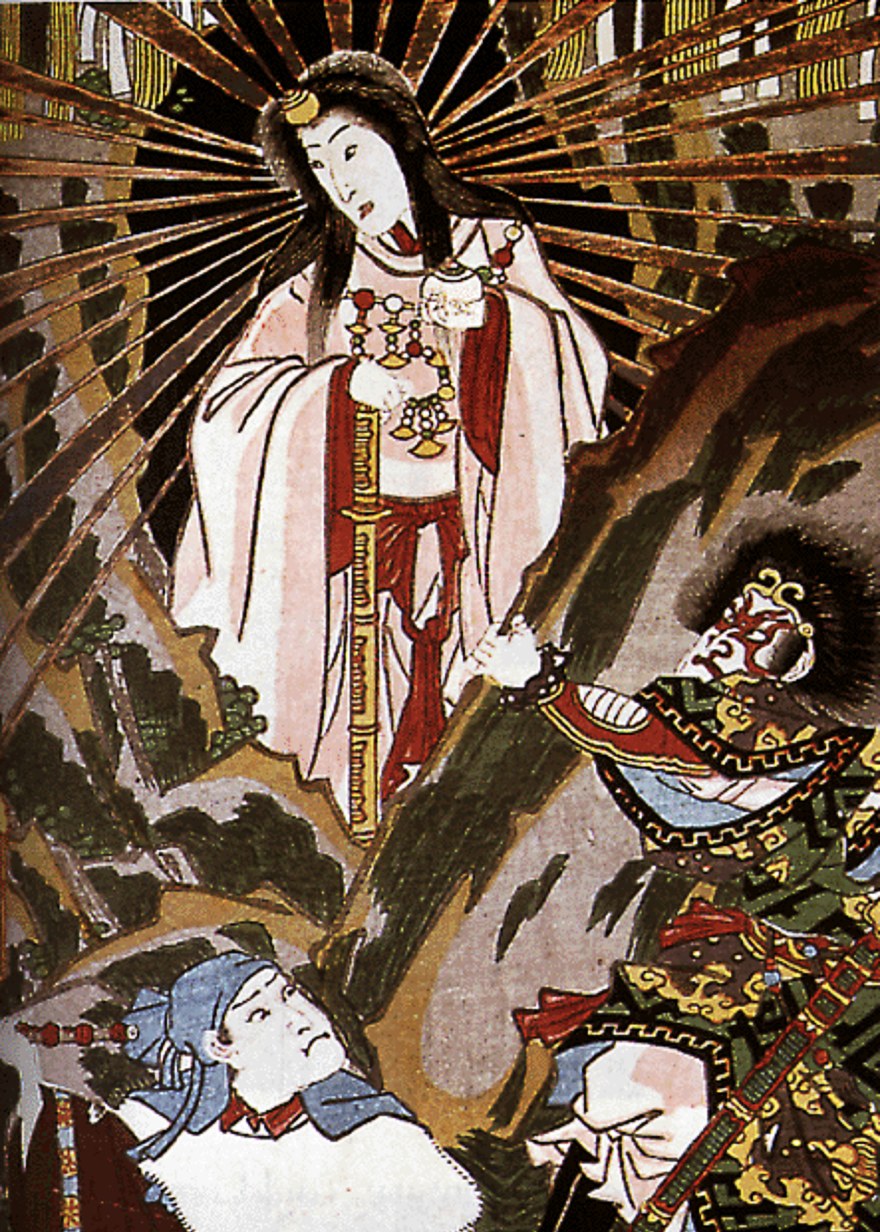
The radiance that shone through all six quarters at birth, the goddess who armed herself like a warrior against her own brother and then shut the door on the world: ancestress of the emperors and light of the High Plain of Heaven.
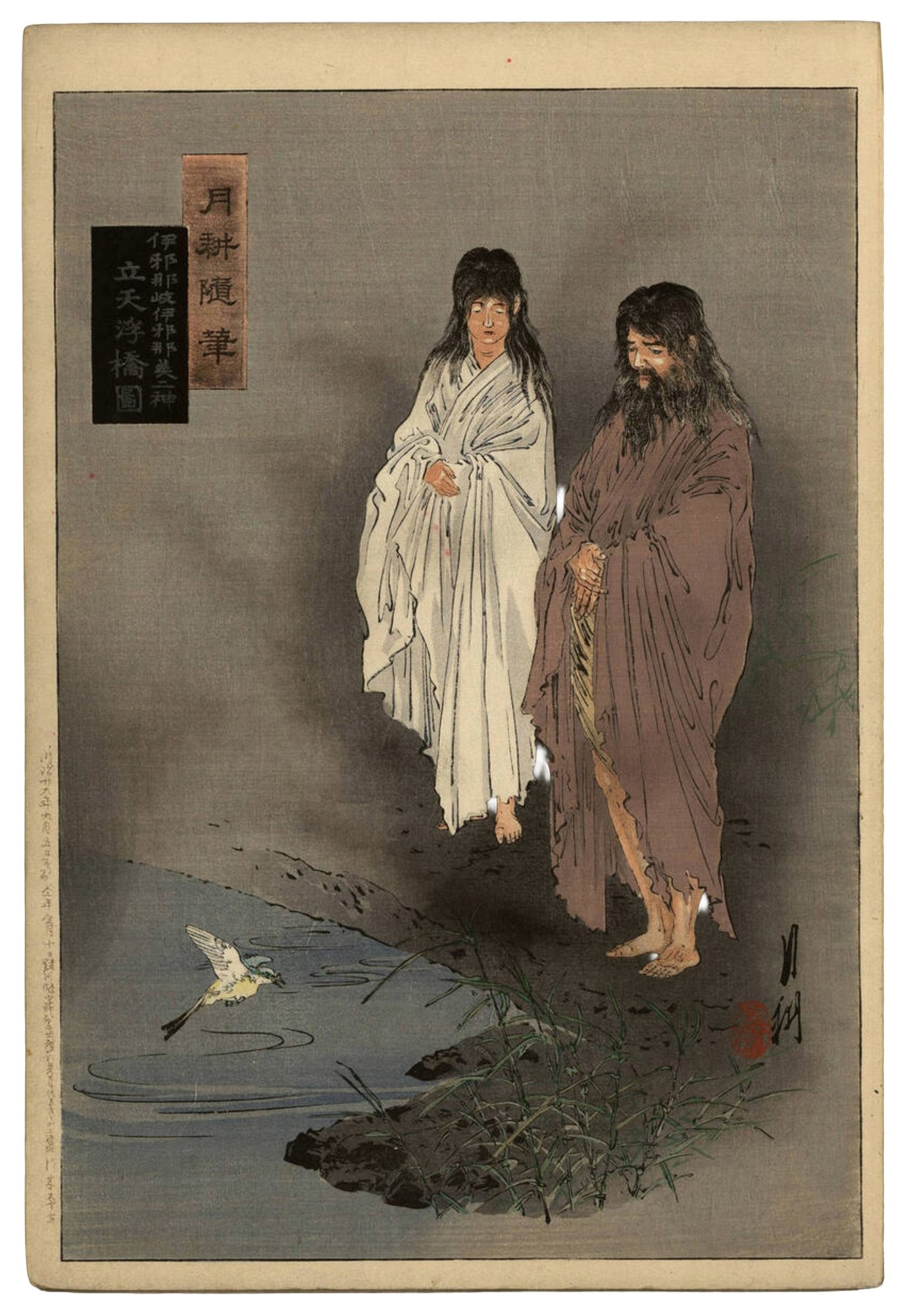
He stirred the sea to a curd and raised the first island from a spear-tip, then lost his wife to the underworld and came back to wash the pollution off: from the water of his cleansing were born the sun, the moon and the storm.
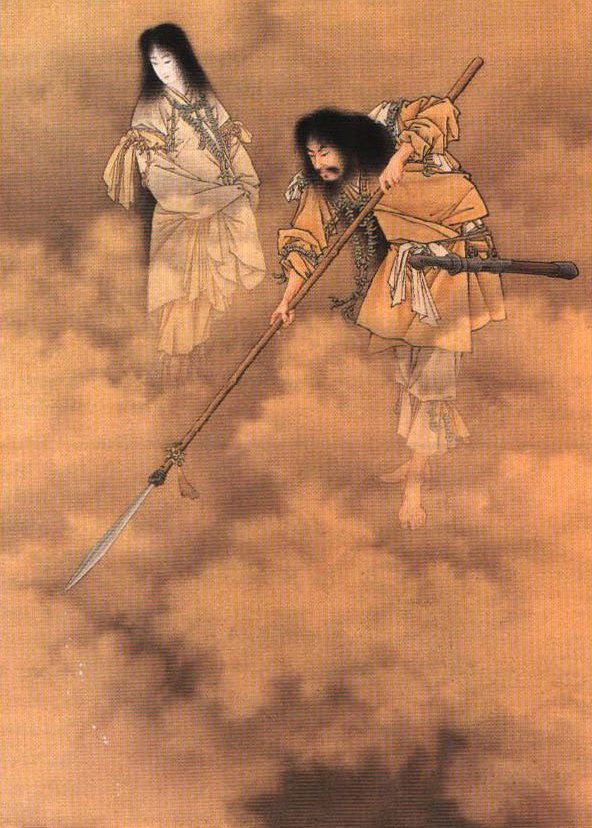
She spoke first at the pillar and bore the world a crooked child, then bore it right: the islands of Japan and the gods of sea and wind and fire, until the last birth killed her and made her queen of the dead.
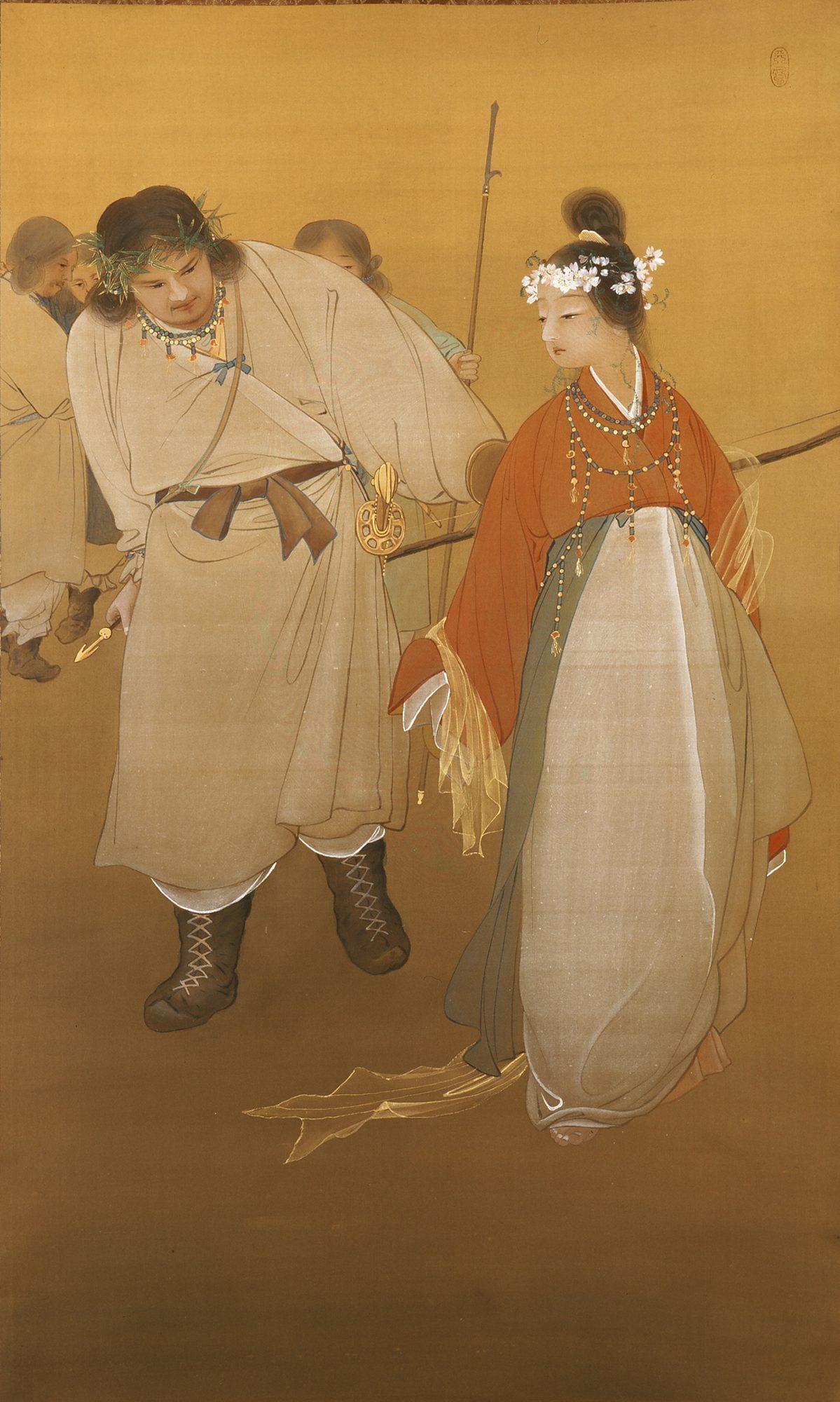
The sun-goddess hands her newborn grandson a mirror and tells him to reverence it as her own spirit, then sends him down the Floating Bridge of Heaven to rule the earth: how the imperial line came down from the sky, and why its rulers die like flowers.
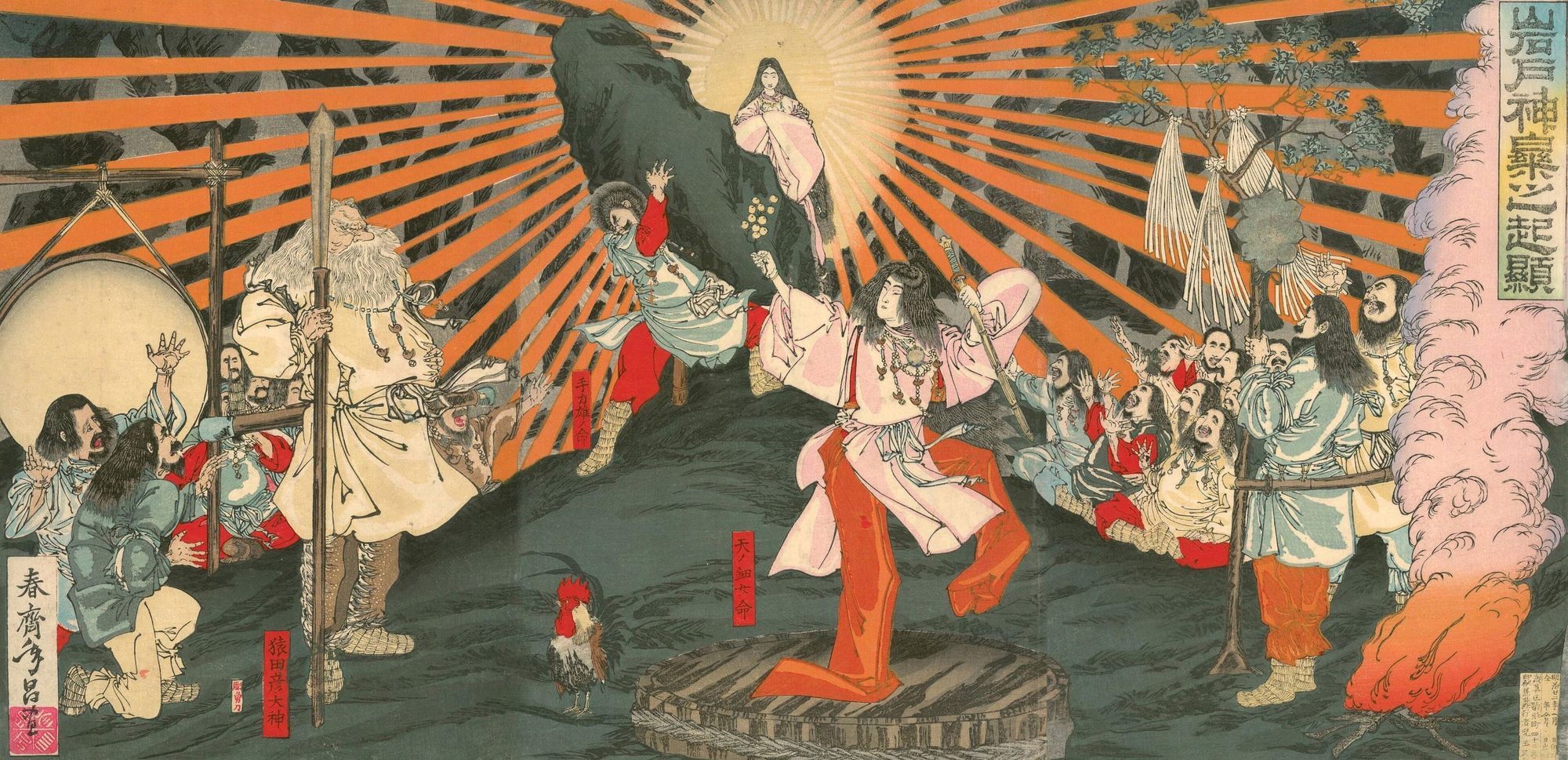
The sun-goddess bolts herself inside a stone door and the world goes black; it takes a forged mirror, a ribald dance and eight hundred myriad gods laughing in the dark to trick the light back out.
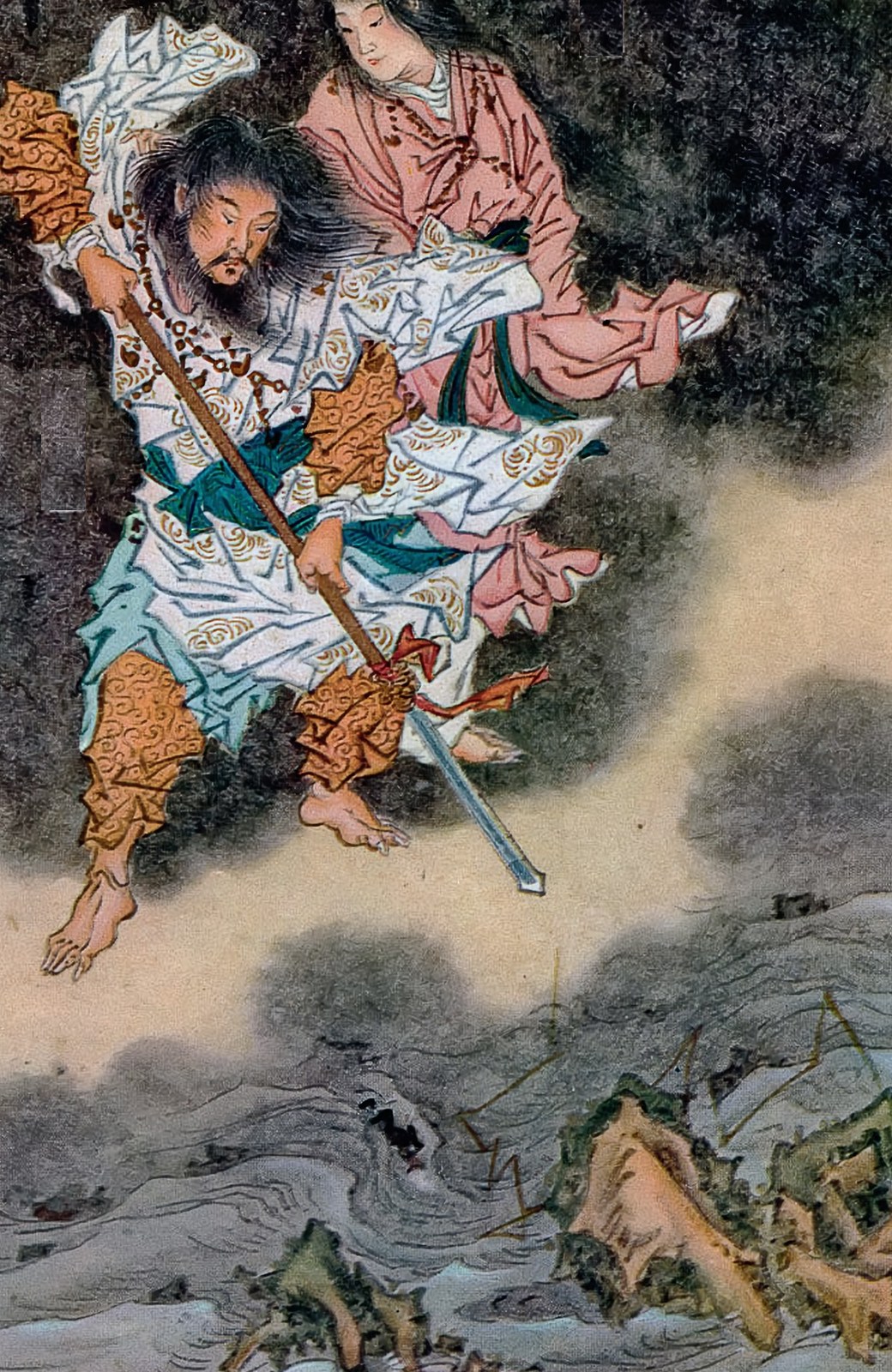
Two gods stand on a bridge above a formless sea, lower a jewelled spear into the brine and stir until it curdles: how the first island rose from the drippings, and how a botched courtship had to be done over before Japan could be born.
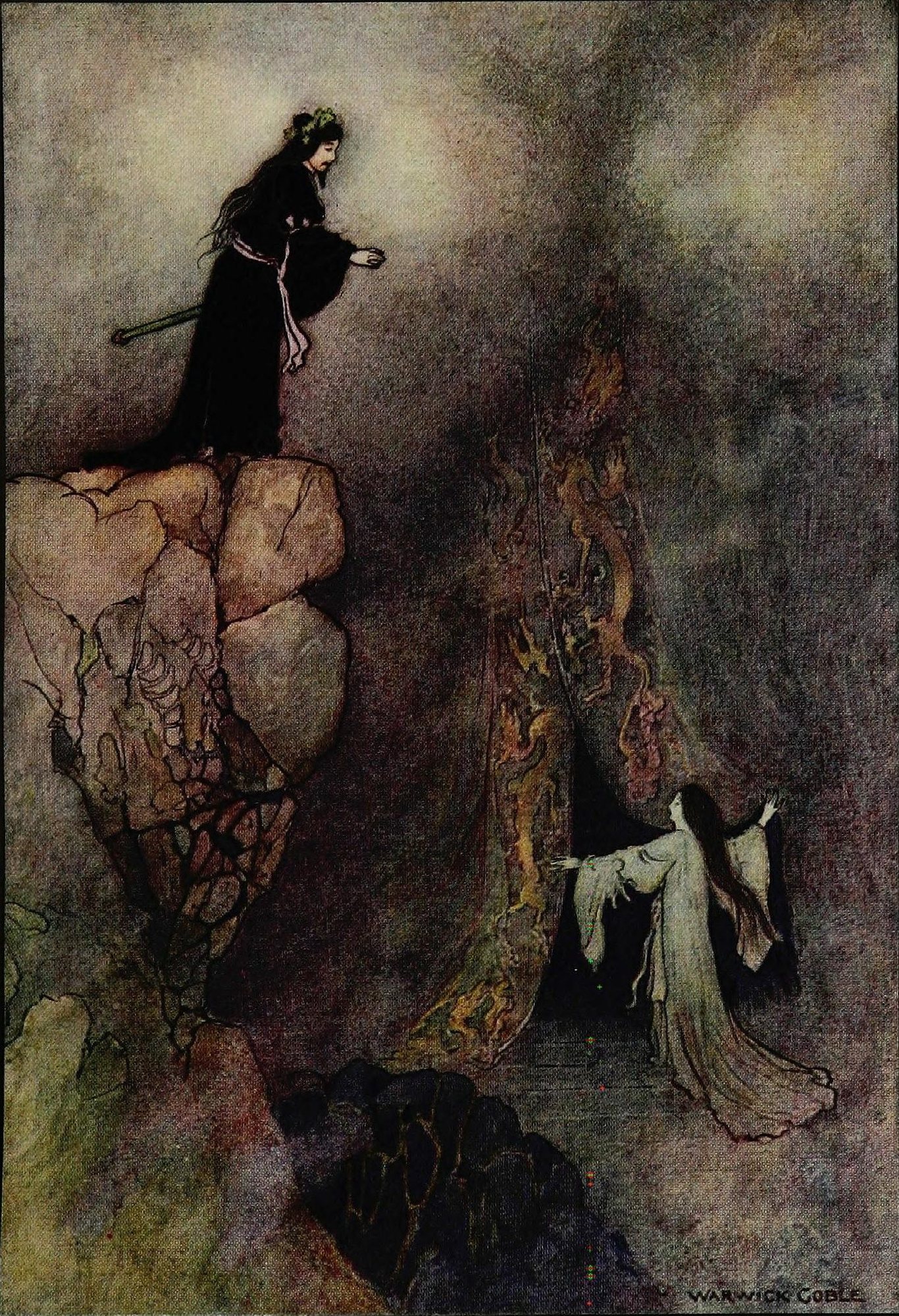
He followed his dead wife into the land of the dead to bring her home, lit a single forbidden light to look at her, and fled a rotting queen: the myth that gave Japan its death, its cleansing rite, and its three brightest gods.
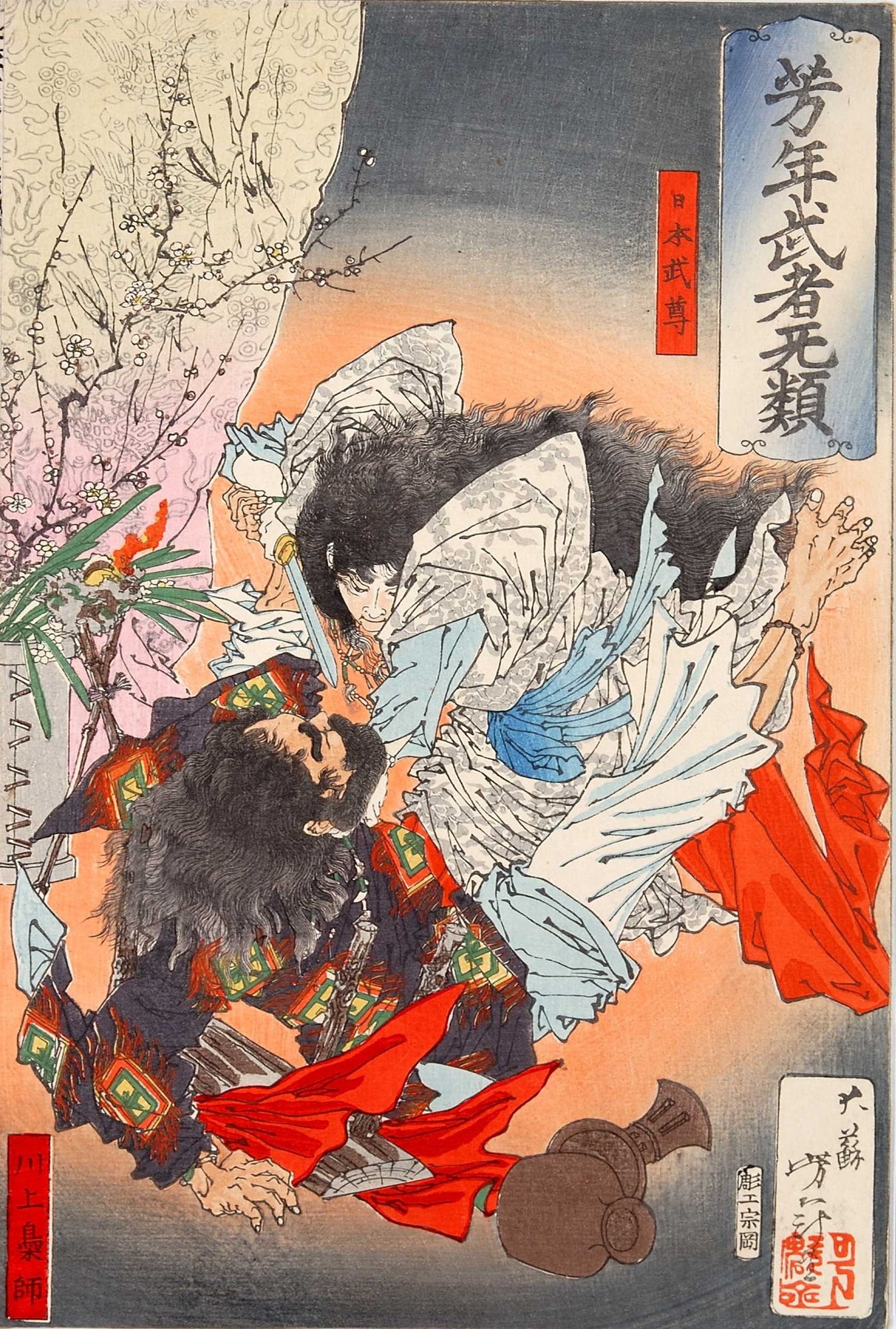
One chronicle has the young prince weep that his father must want him dead; the other has the emperor beat his breast and cry "Oh! Our son!" Two eighth-century courts, eight years apart, reading a single father and son in opposite keys.
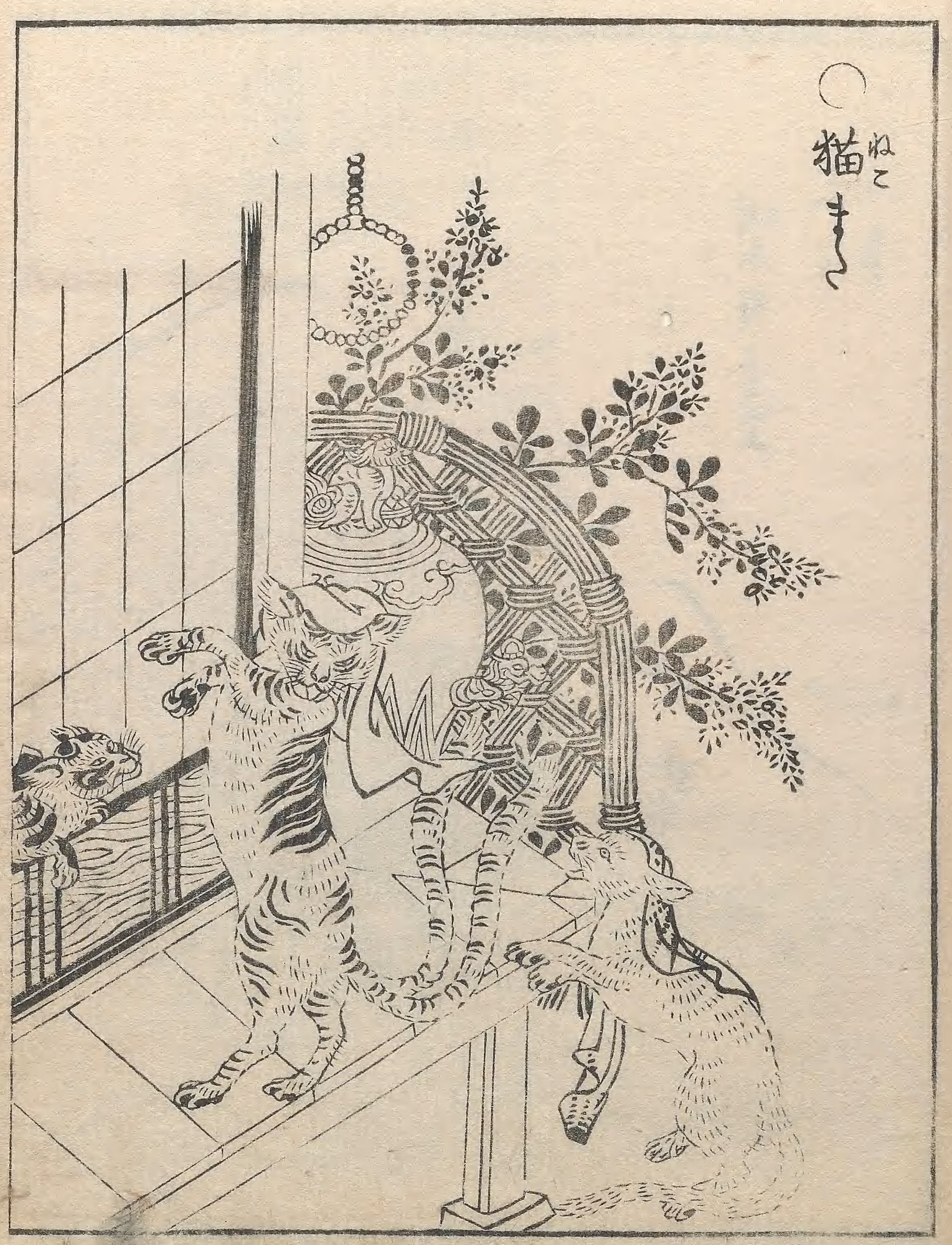
A household cat rears on its hind legs to lick the lamp-oil, wraps a towel round its head and dances: the domestic monster-cat of the Edo books, one branch of a single cat-spirit the sources never cleanly split.
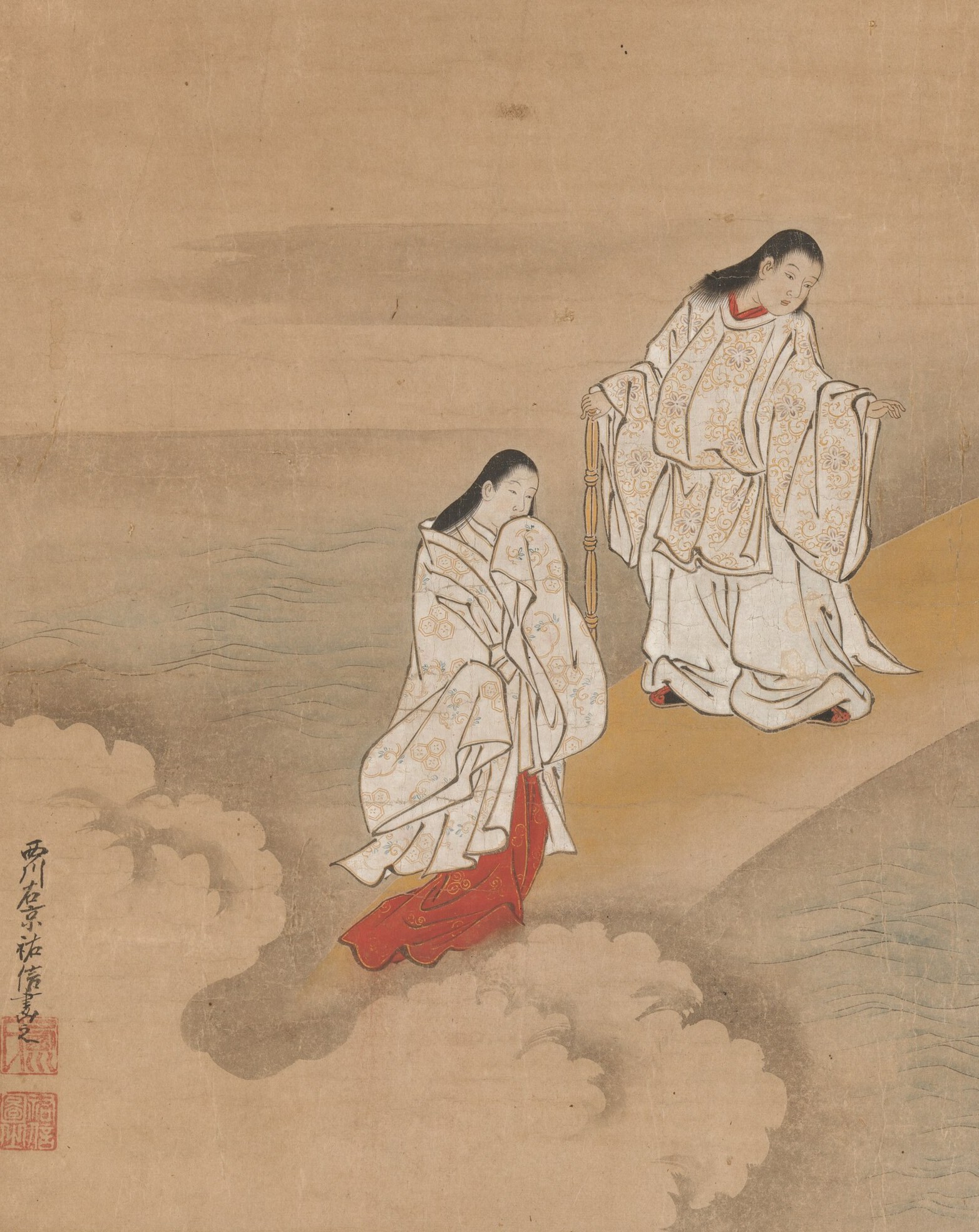
How the Japanese cosmos stacks in three storeys, and how gods and the dead move between them: a heaven above, a reed-plain between, a country of the dead below, and the doors, roads and one-way seals that join them.
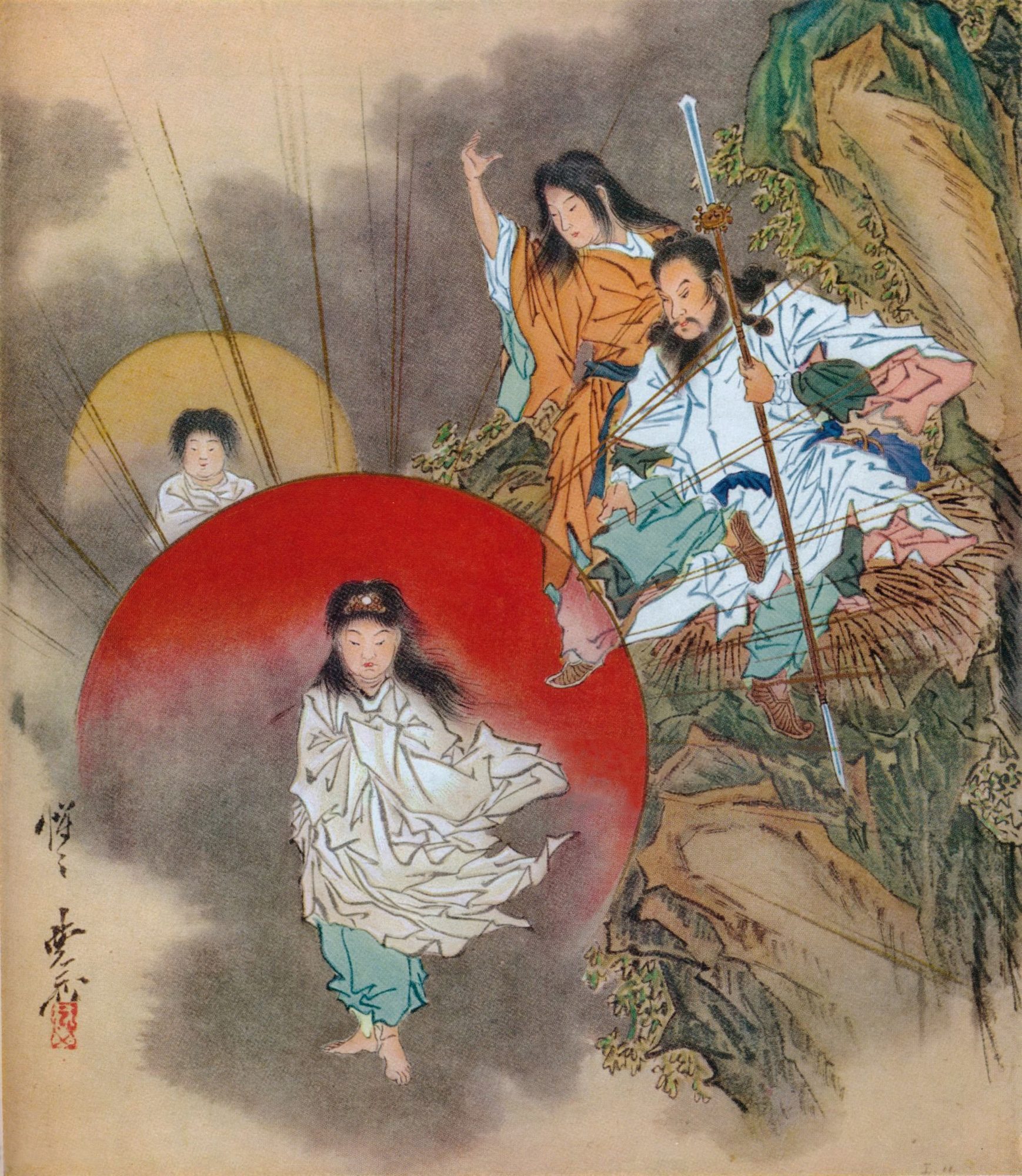
Not a mountain and not a sky-city but a plain: the celestial country of rice-fields and river-councils where the sun-goddess reigns, the cosmos opens, and the line of emperors takes its first breath.
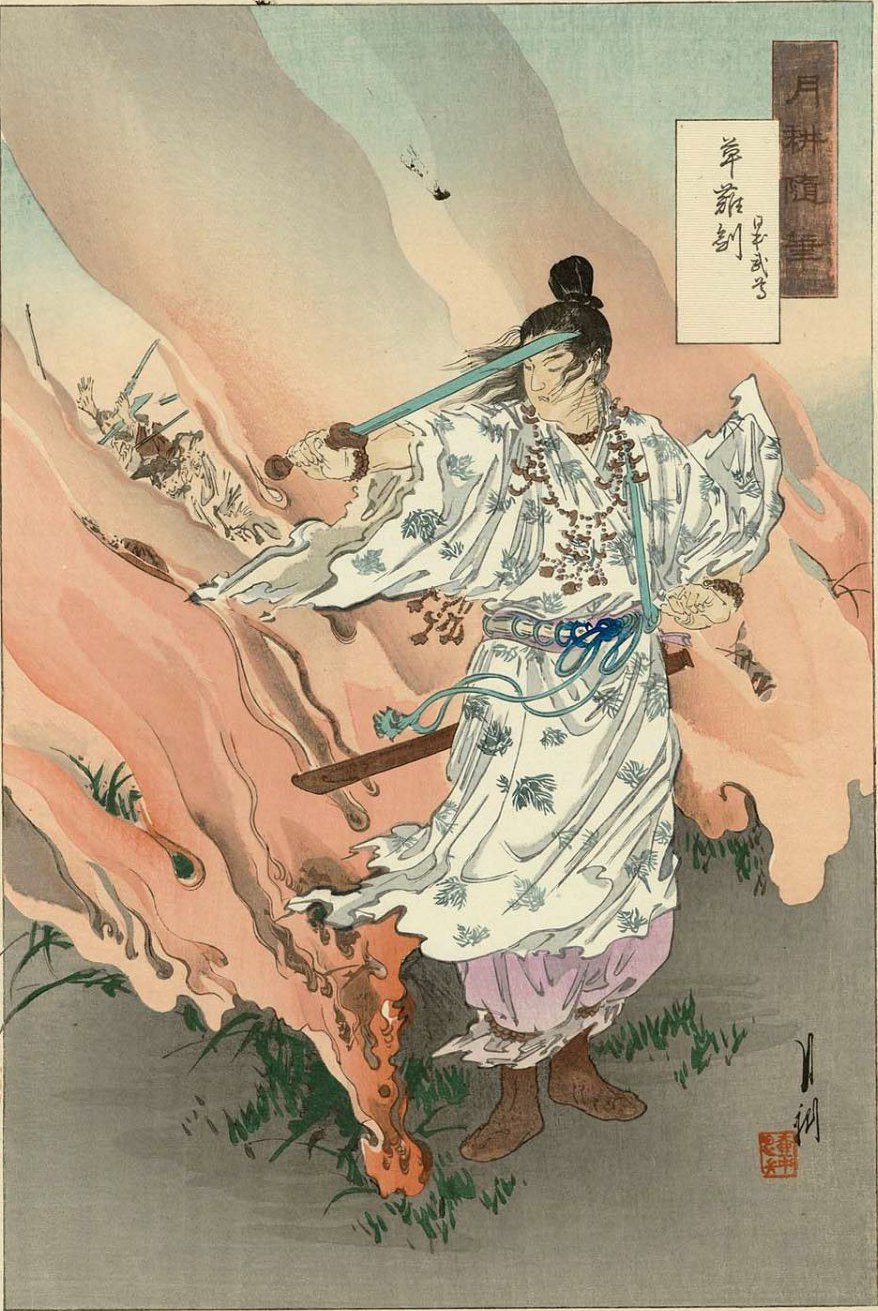
A mirror forged to trap the sun, a sword drawn from a monster's tail, and a string of curved jewels: how three objects became the proof that Japan's emperors were born to rule.
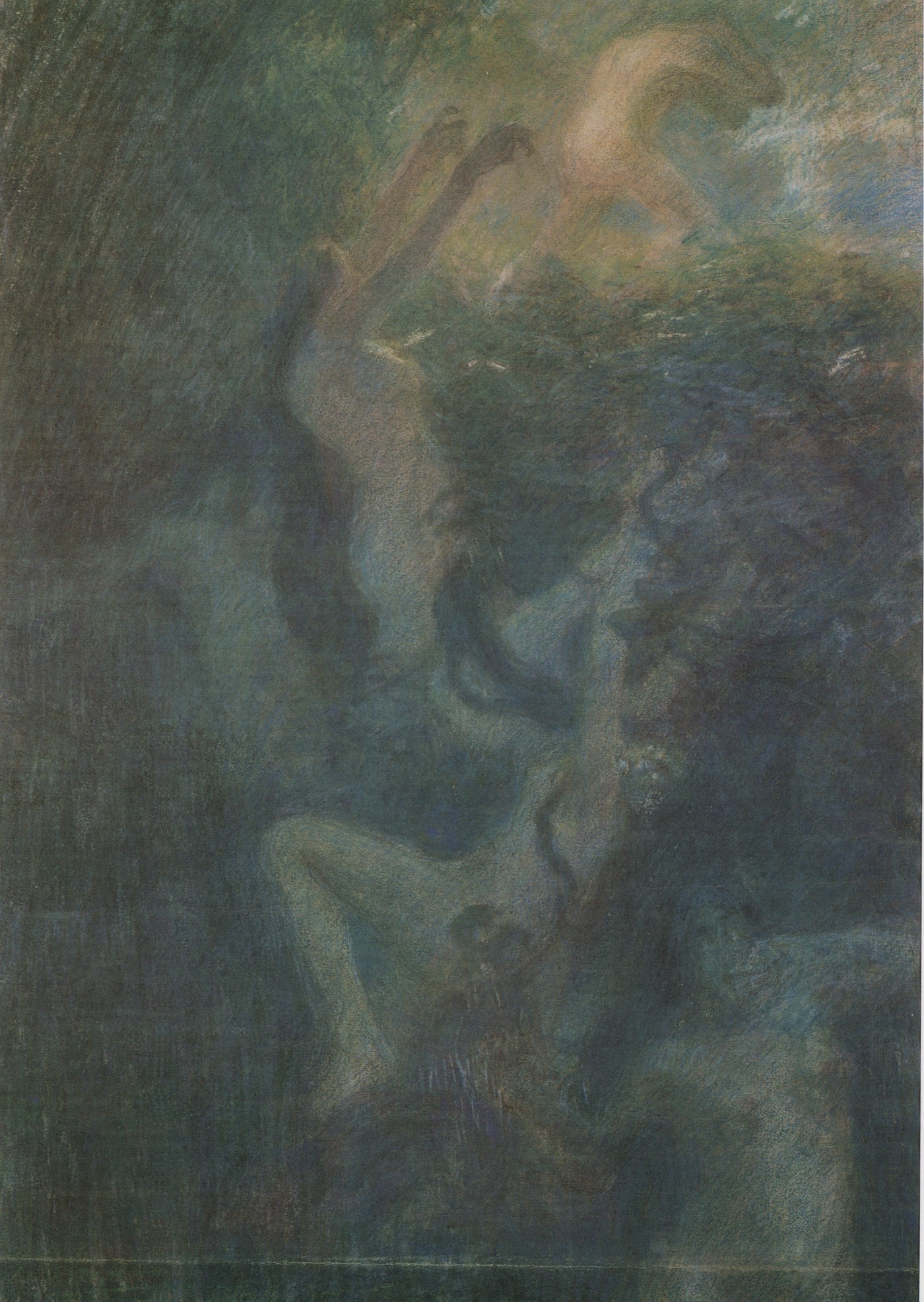
A shadowy country of rot and gloom where a single mouthful of the dead's cooking binds you forever: the underworld of the Kojiki and Nihon Shoki, and the day it was sealed off from the living.
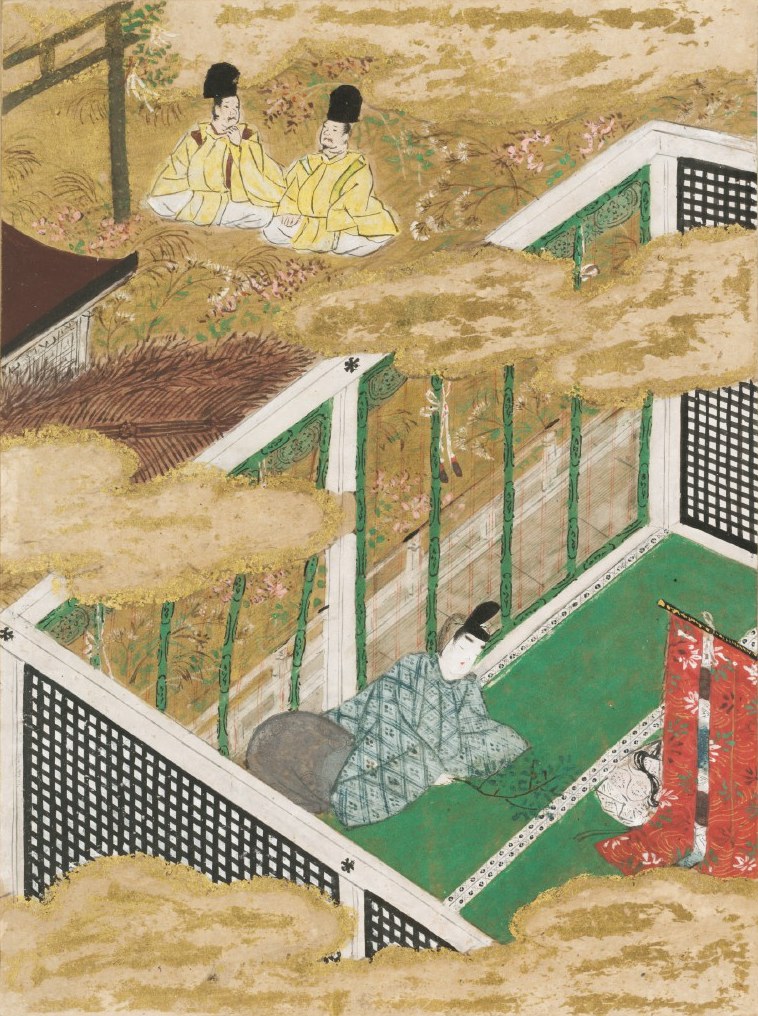
For a thousand years an unmarried princess was scorched out of a tortoise-shell and sent to serve the sun goddess at Ise, where she might not name death, blood, or the Buddha.
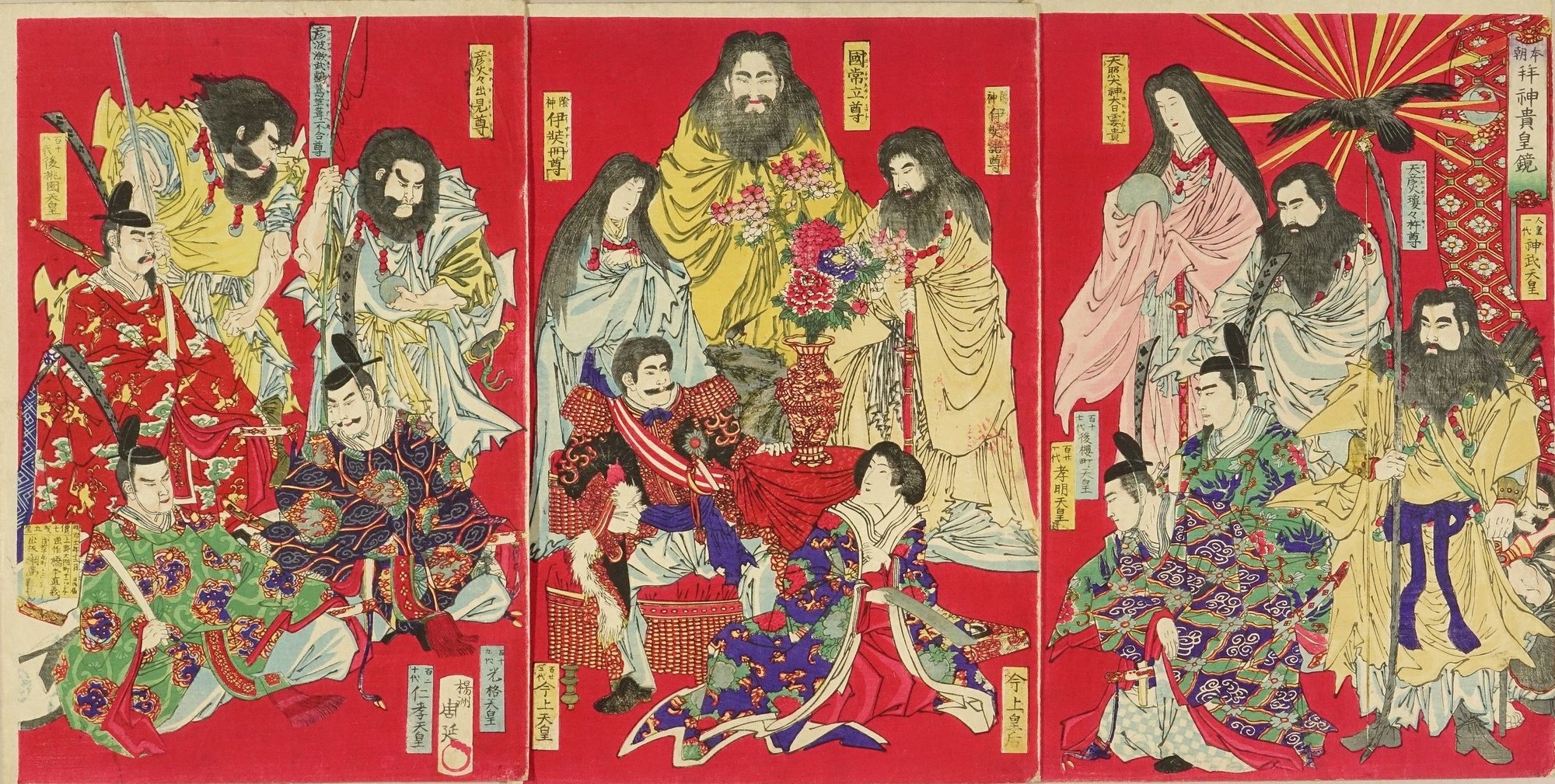
One sentence, copied and revised across roughly eleven hundred years, tells the emperors of Japan why they may rule: because the sun-goddess told their ancestor to, and told him it would last as long as heaven and earth.
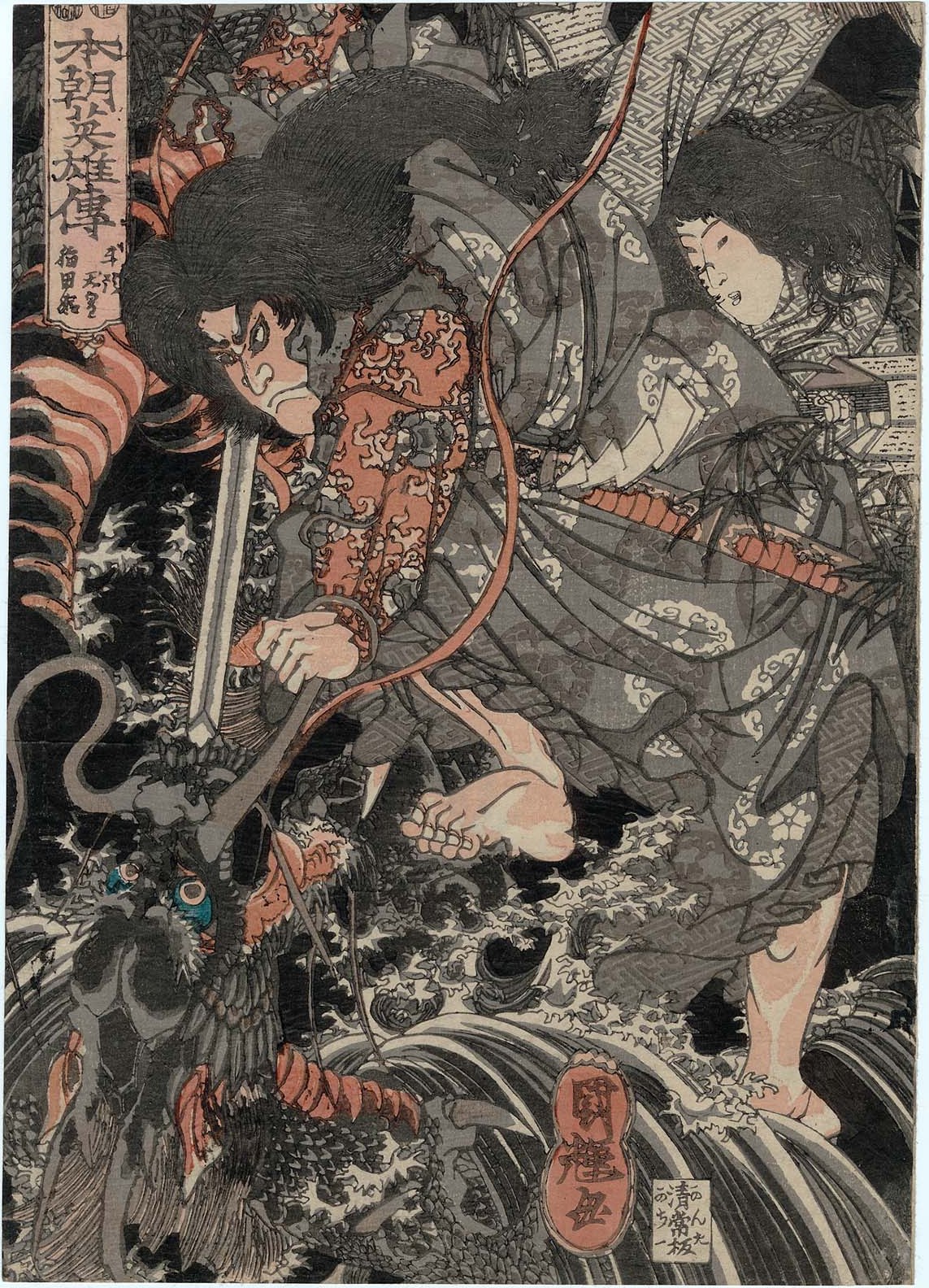
Three storm-gods, three chaos-serpents, three ways to win. Indra and Zeus burn their dragons with the thunderbolt, but the god of Izumo does something neither of them does: he pulls a sword out of the dead beast.