Chinese
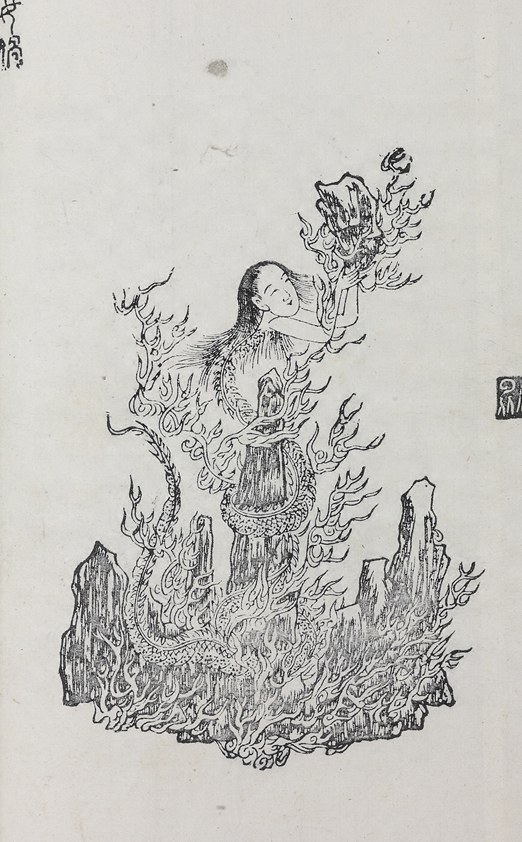
Nüwa, the Creator Goddess
Serpent-bodied and human-faced, she patted the first people out of yellow mud, then smelted five-coloured stones to patch a sky that had split from pole to pole.
Transformation of form: human, divine, animal, natural.
Serpent-bodied and human-faced, she patted the first people out of yellow mud, then smelted five-coloured stones to patch a sky that had split from pole to pole.
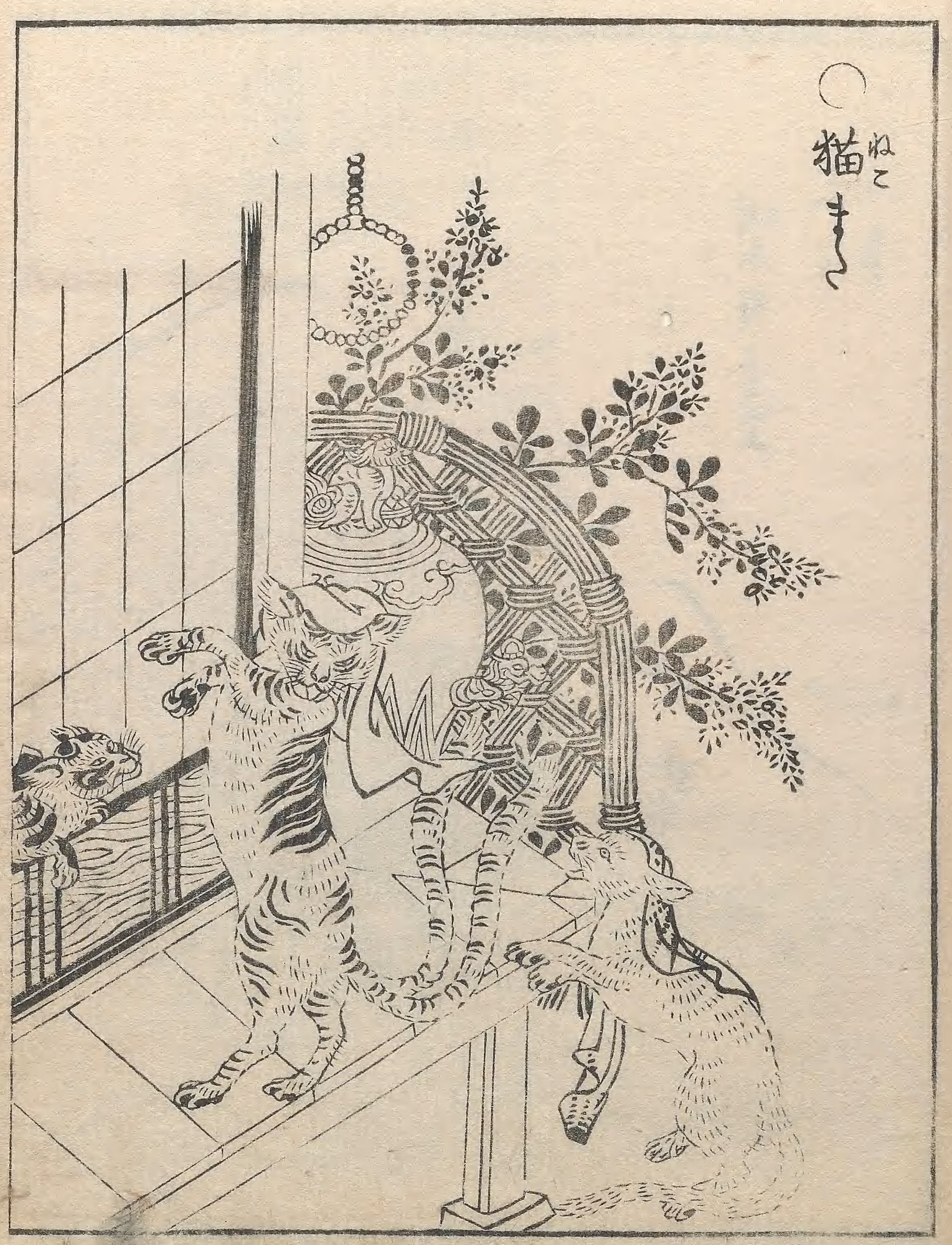
A household cat rears on its hind legs to lick the lamp-oil, wraps a towel round its head and dances: the domestic monster-cat of the Edo books, one branch of a single cat-spirit the sources never cleanly split.
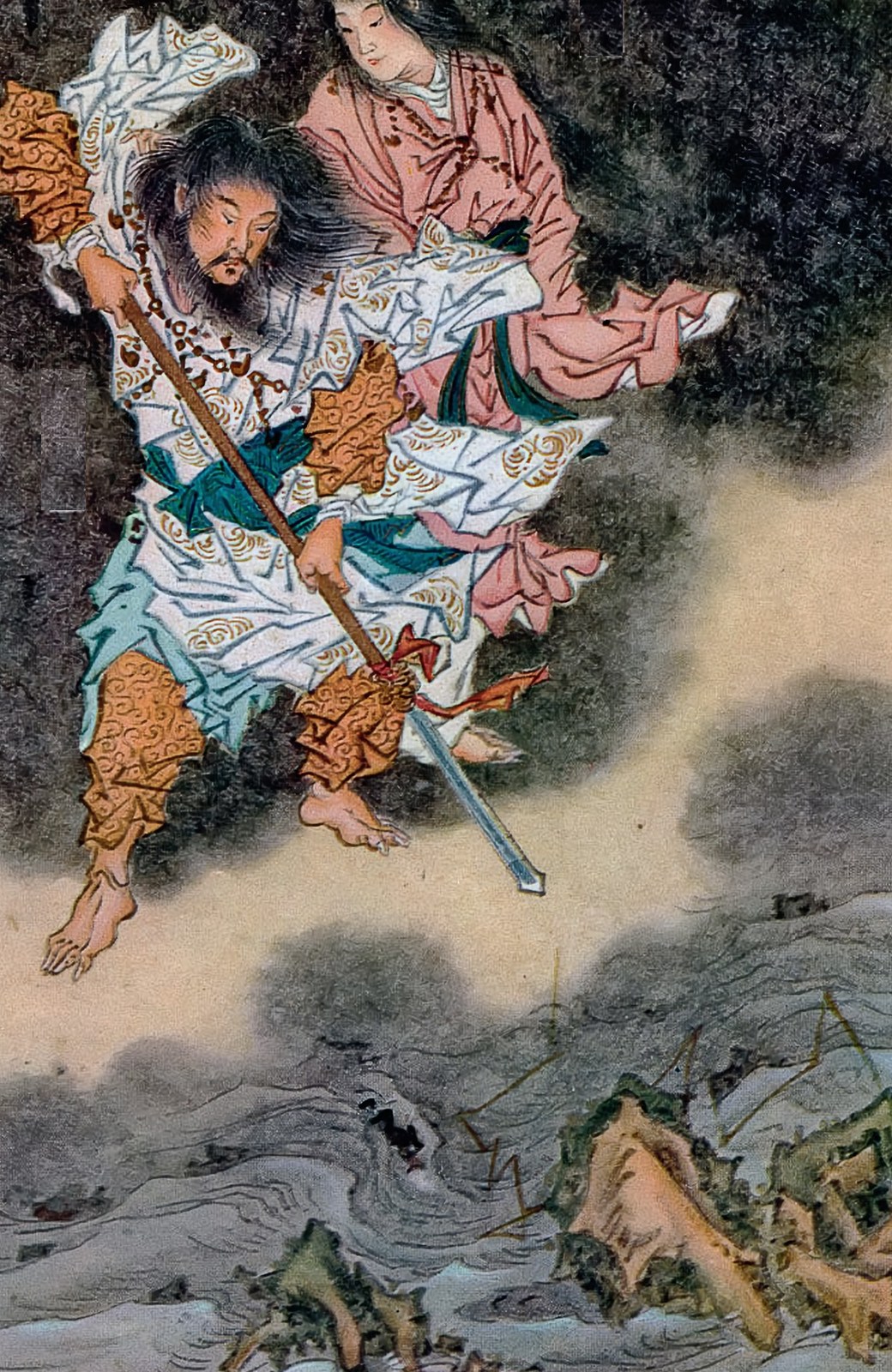
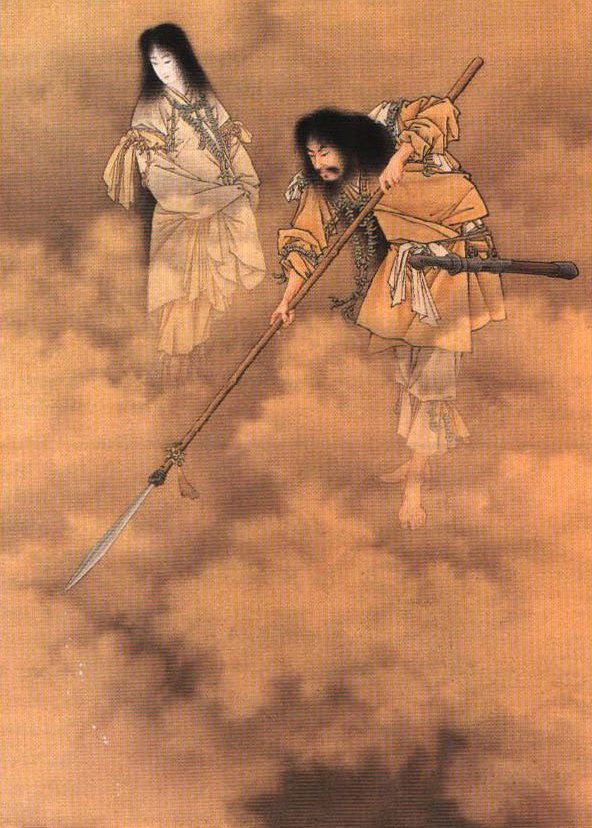
Two gods stand on a bridge above a formless sea, lower a jewelled spear into the brine and stir until it curdles: how the first island rose from the drippings, and how a botched courtship had to be done over before Japan could be born.
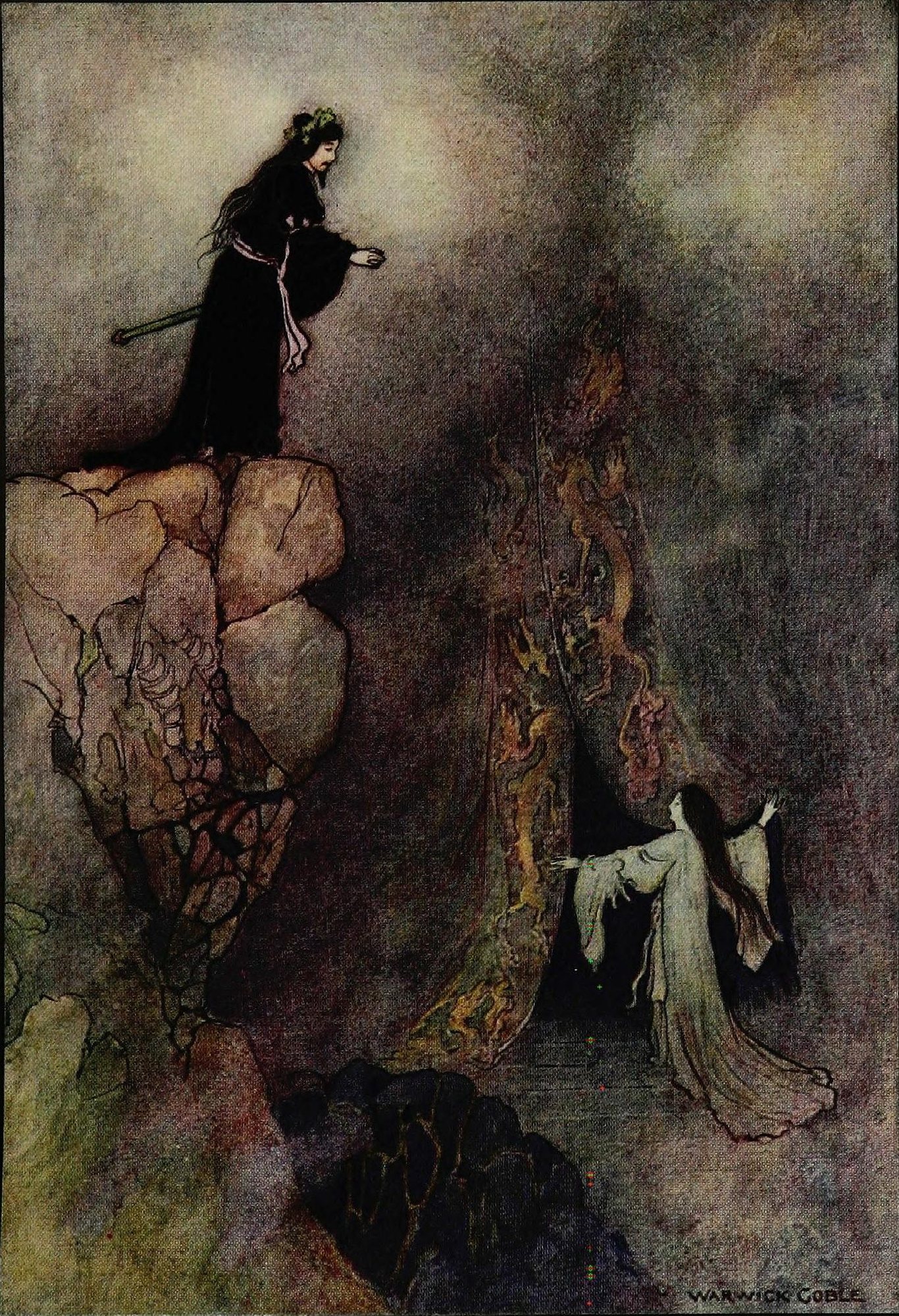
He followed his dead wife into the land of the dead to bring her home, lit a single forbidden light to look at her, and fled a rotting queen: the myth that gave Japan its death, its cleansing rite, and its three brightest gods.
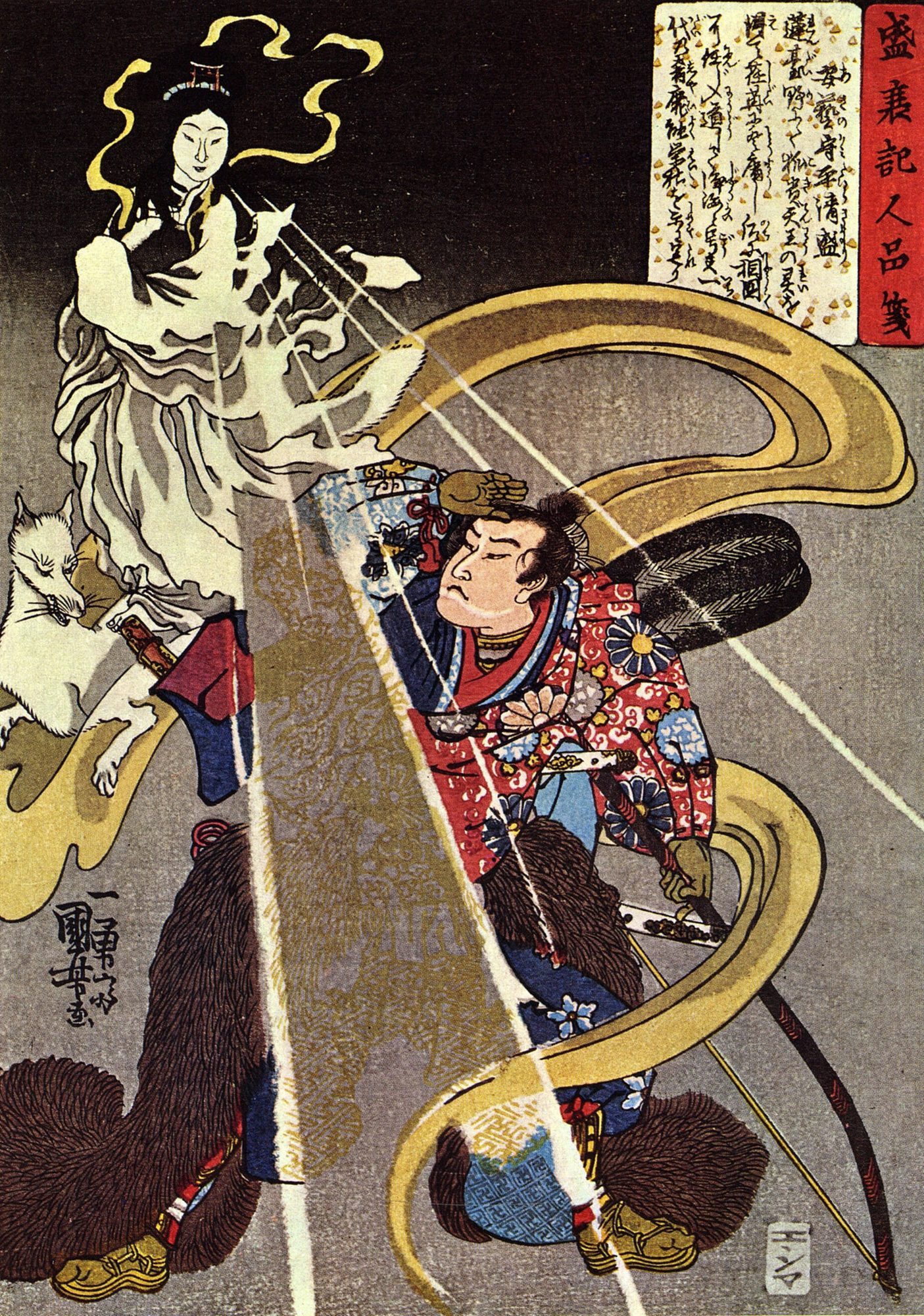
A rich man shot arrows at a rice-cake for sport, and the wasted rice rose up as a white bird and flew to a mountain where rice began to grow: the founding legend of Japan's most-worshipped kami, whose name means the rice becomes.
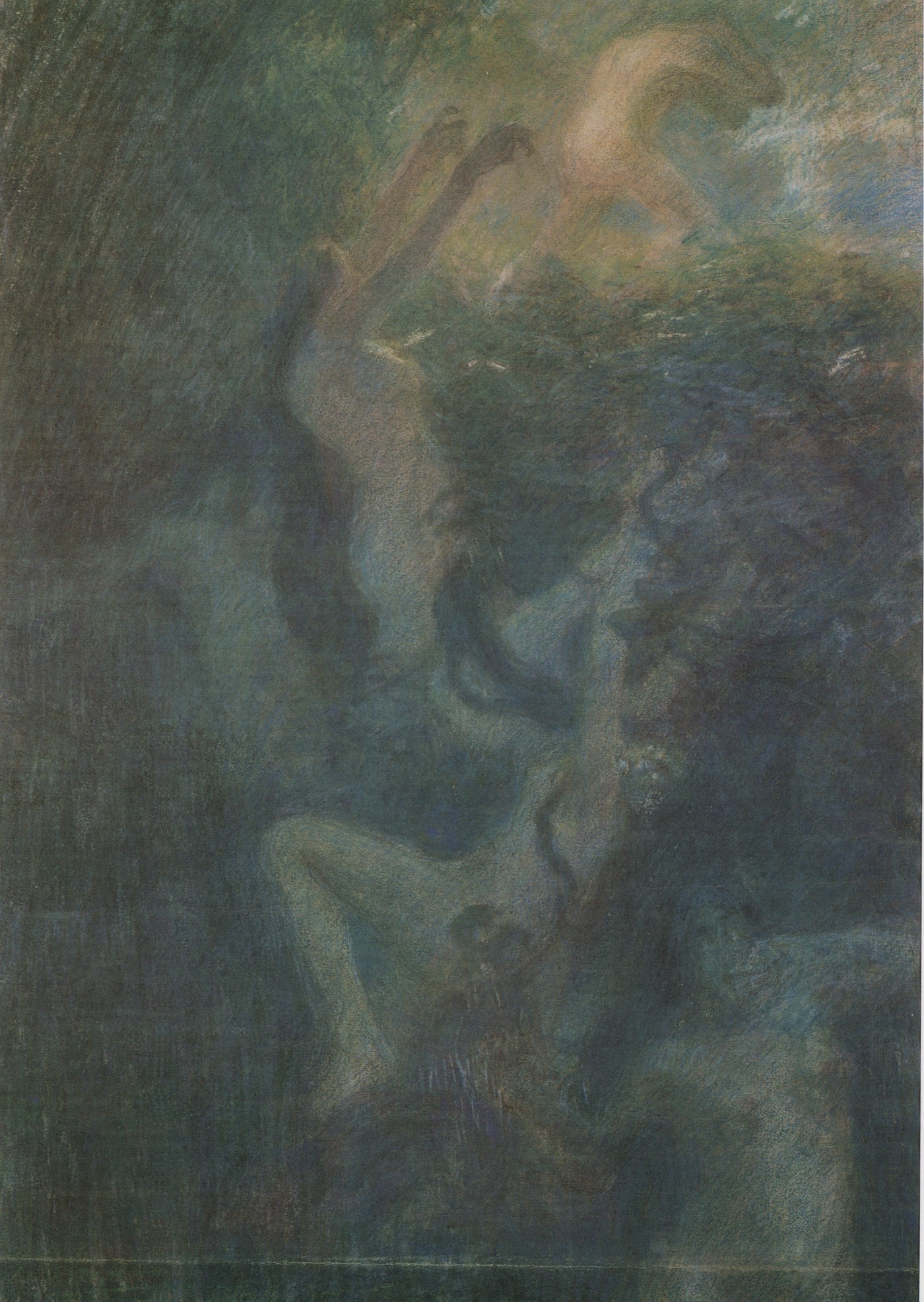
A shadowy country of rot and gloom where a single mouthful of the dead's cooking binds you forever: the underworld of the Kojiki and Nihon Shoki, and the day it was sealed off from the living.
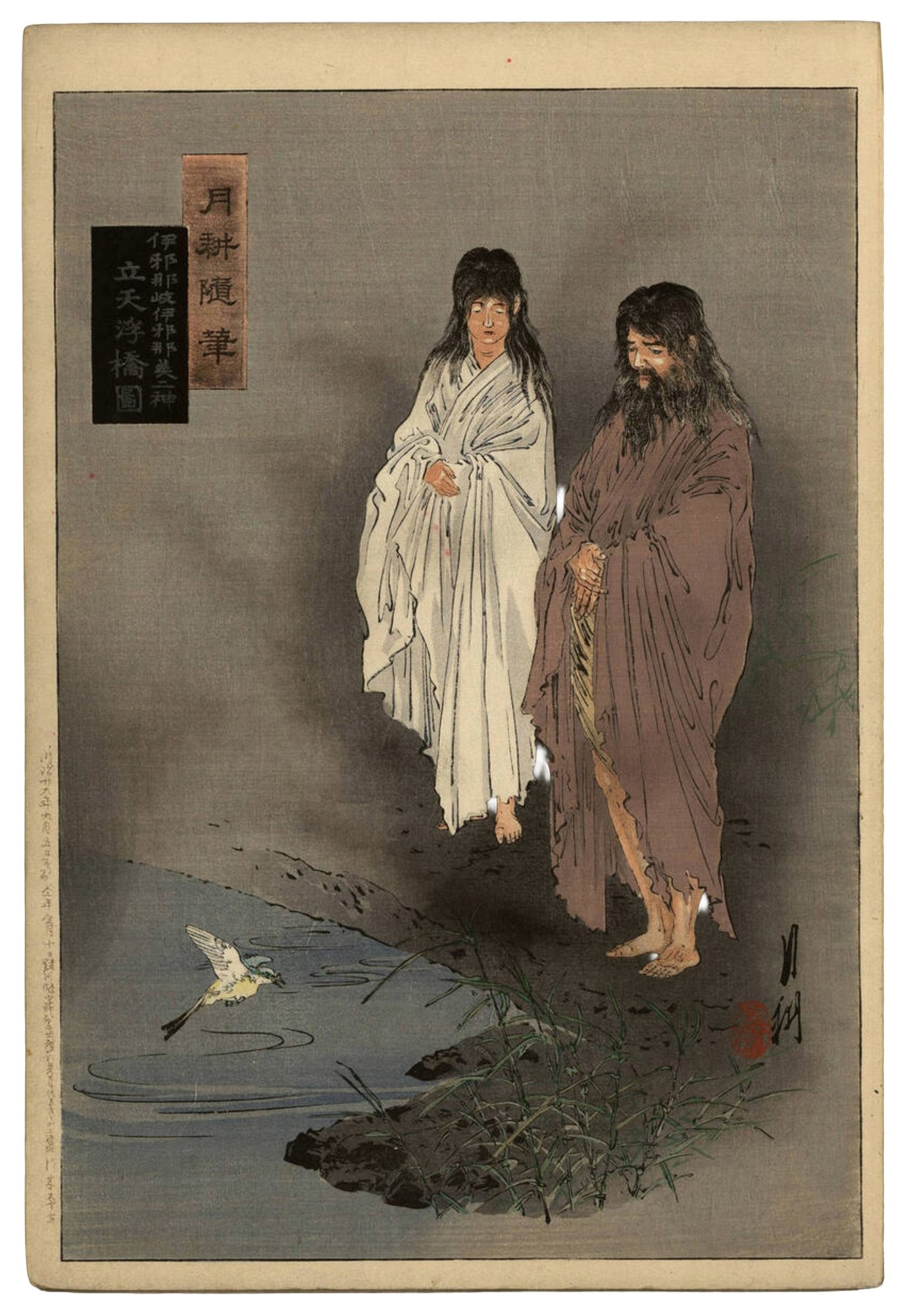
He stirred the sea to a curd and raised the first island from a spear-tip, then lost his wife to the underworld and came back to wash the pollution off: from the water of his cleansing were born the sun, the moon and the storm.
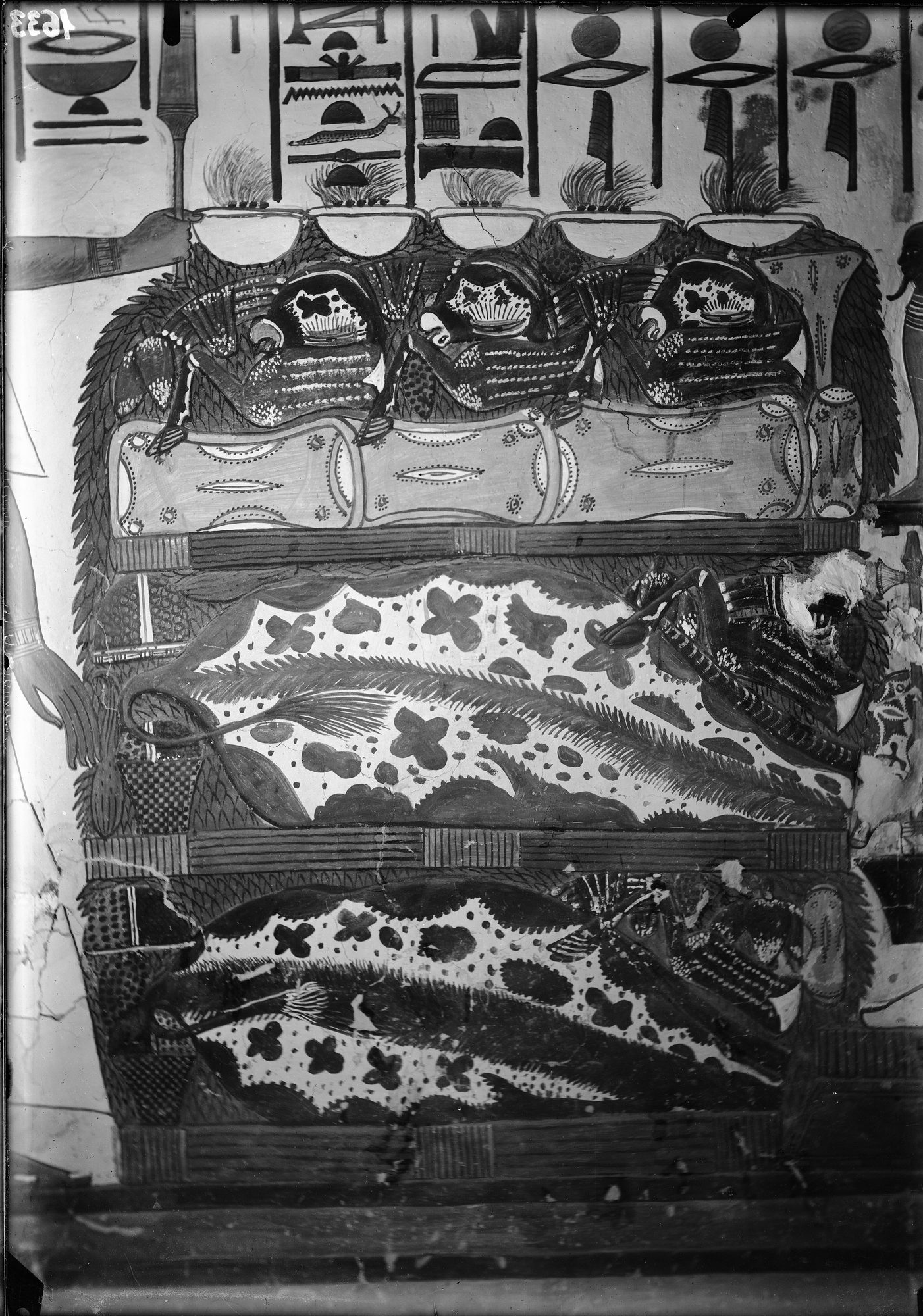
She spoke first at the pillar and bore the world a crooked child, then bore it right: the islands of Japan and the gods of sea and wind and fire, until the last birth killed her and made her queen of the dead.
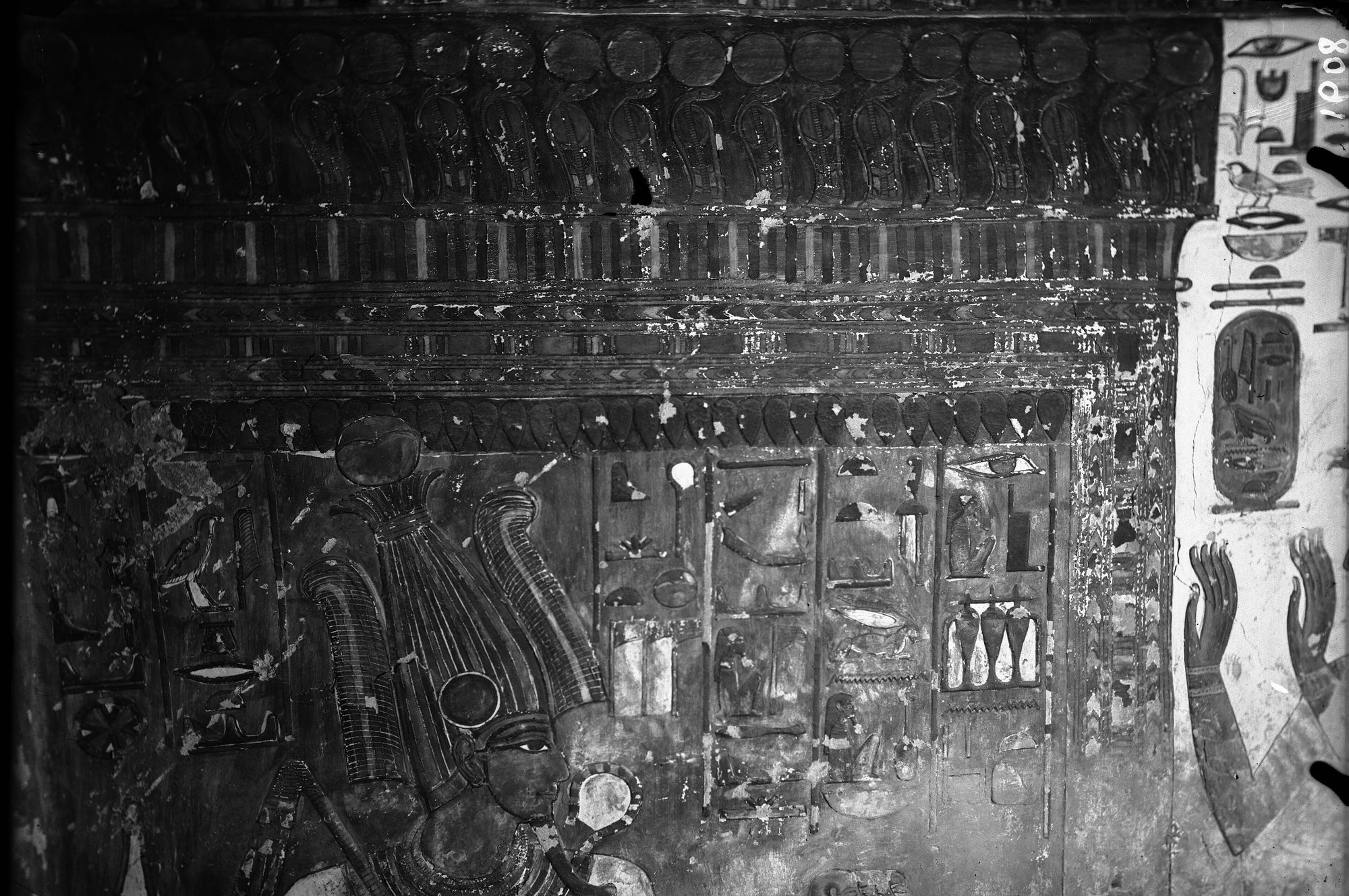
A brother's fitted coffin, a body torn into pieces and scattered, and the magic of a wife who gathered them back: how the murdered king was made whole and got an heir from beyond death.
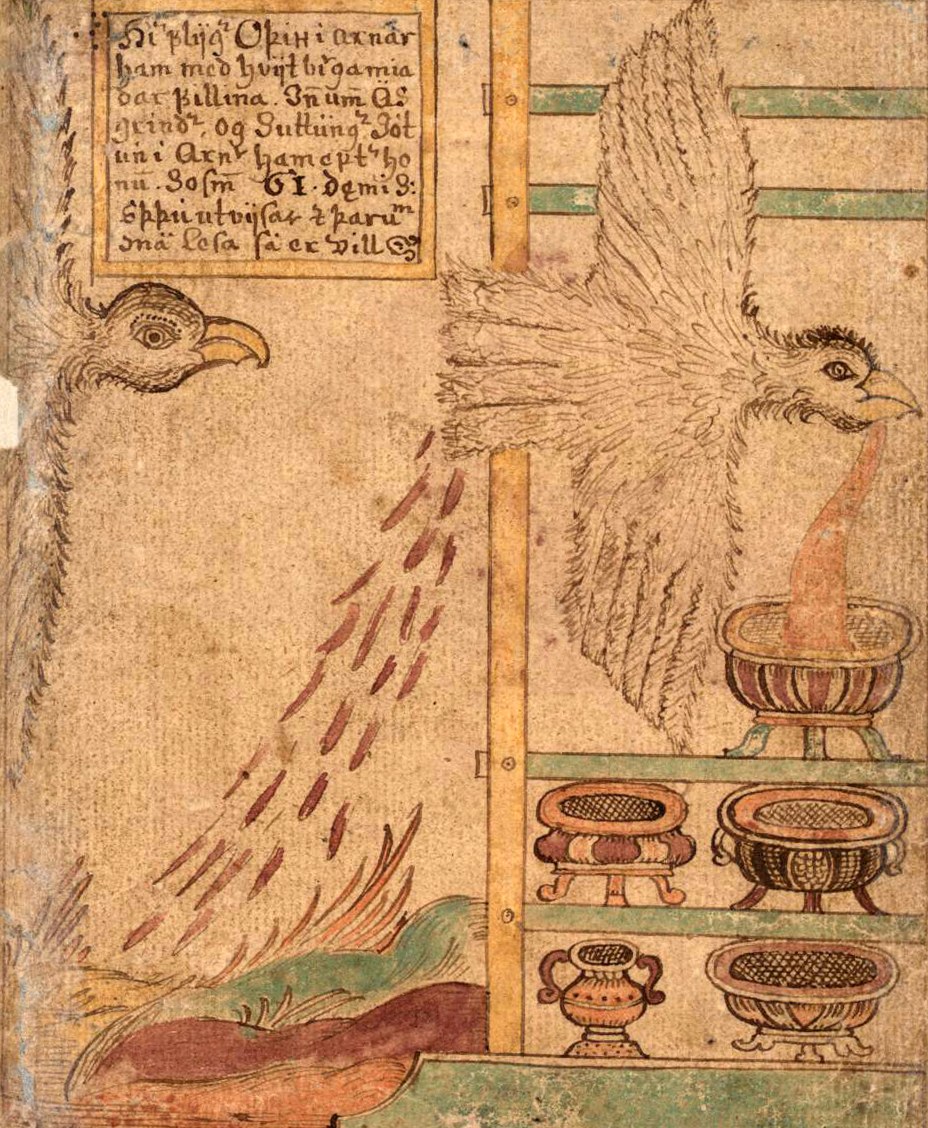
Egypt worshipped him for two and a half thousand years and never once wrote his story down: the green mummiform king who absorbed a jackal god, rose as Orion, and lent his name to every vindicated corpse.
How poetry got into the world: a murdered sage, a mead brewed from his blood, and the god who slept three nights with a giant's daughter to steal it, then left her to grief.
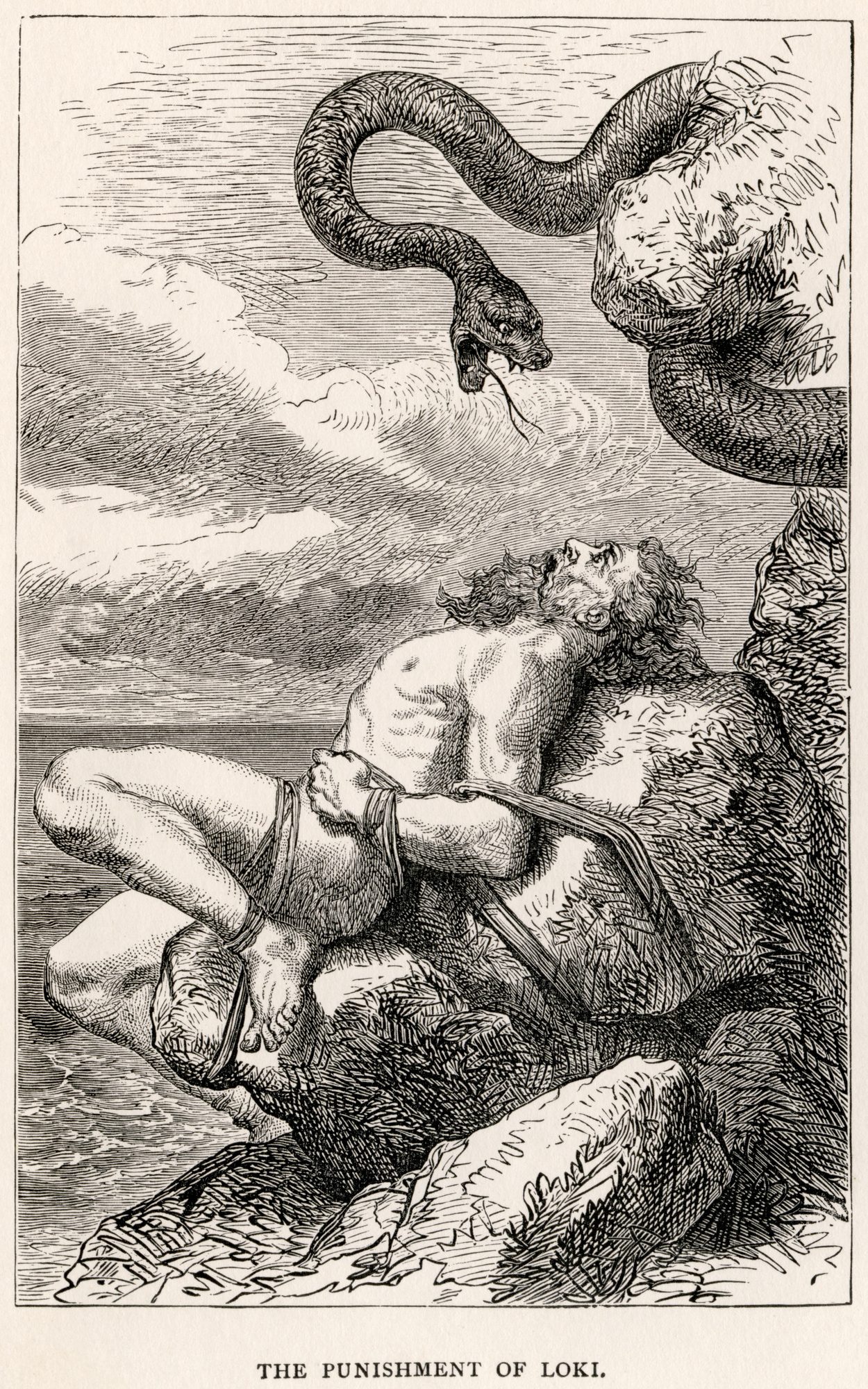
The handsome, fickle mischief-monger of the Aesir who drags the gods into ruin and then, more often than not, is the only one clever enough to haul them back out again.
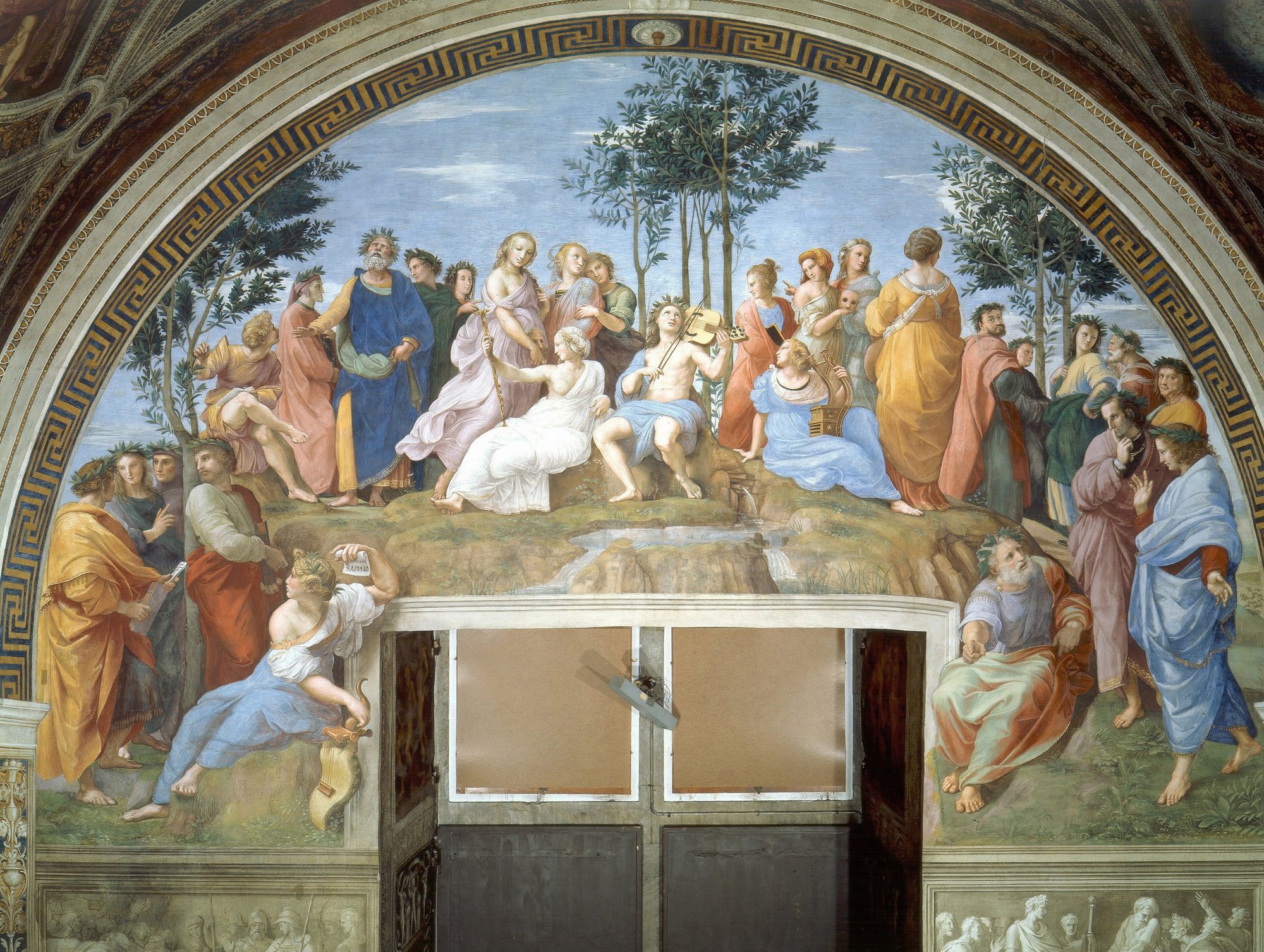
The newborn who burst his swaddling bands to claim the lyre, the bow and the truth of Zeus, then killed a dragon to found the oracle that spoke for him.
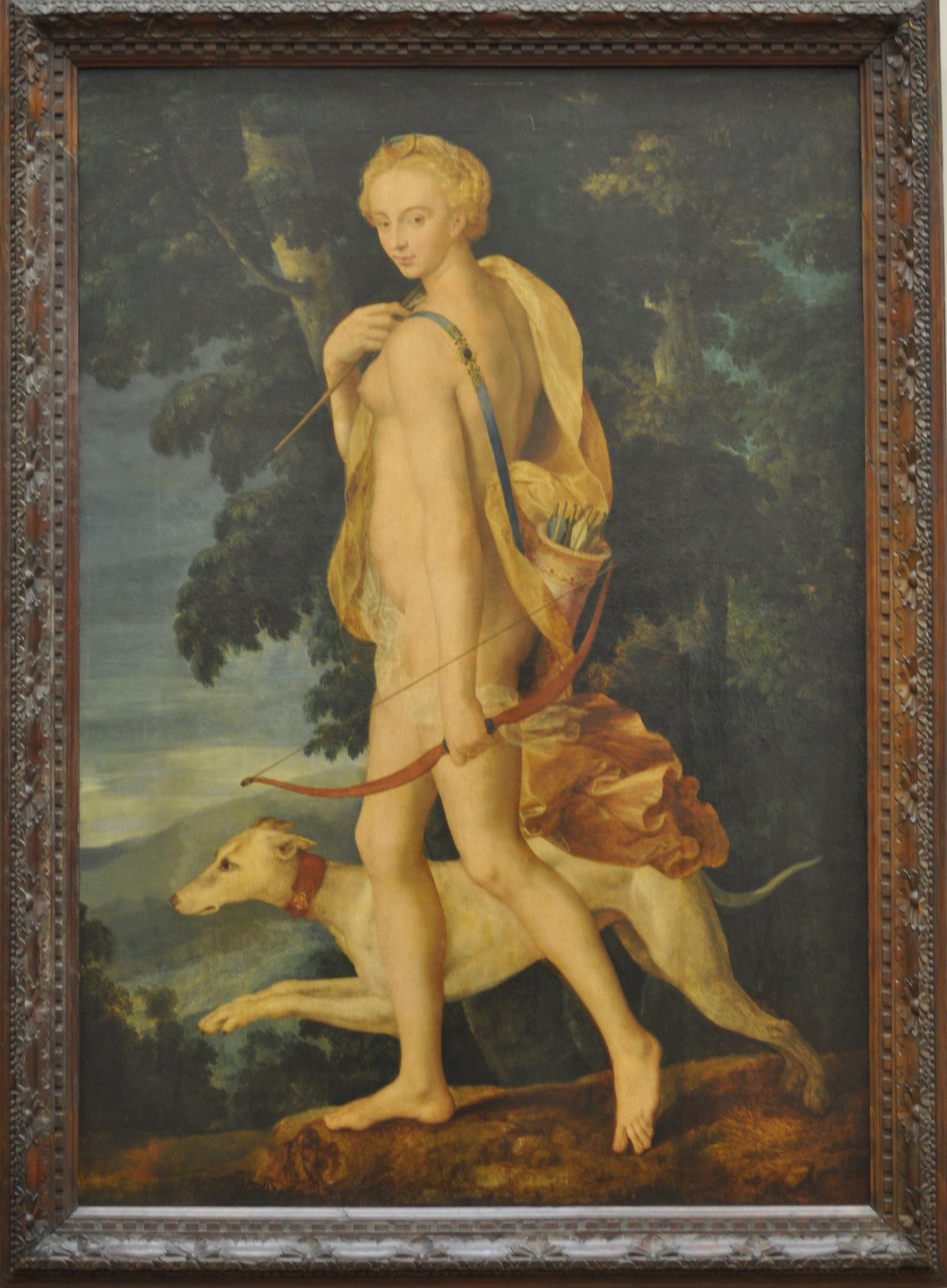
The small child who climbed onto her father's knee and asked for a bow, eternal maidenhood and all the mountains in the world, then took them.
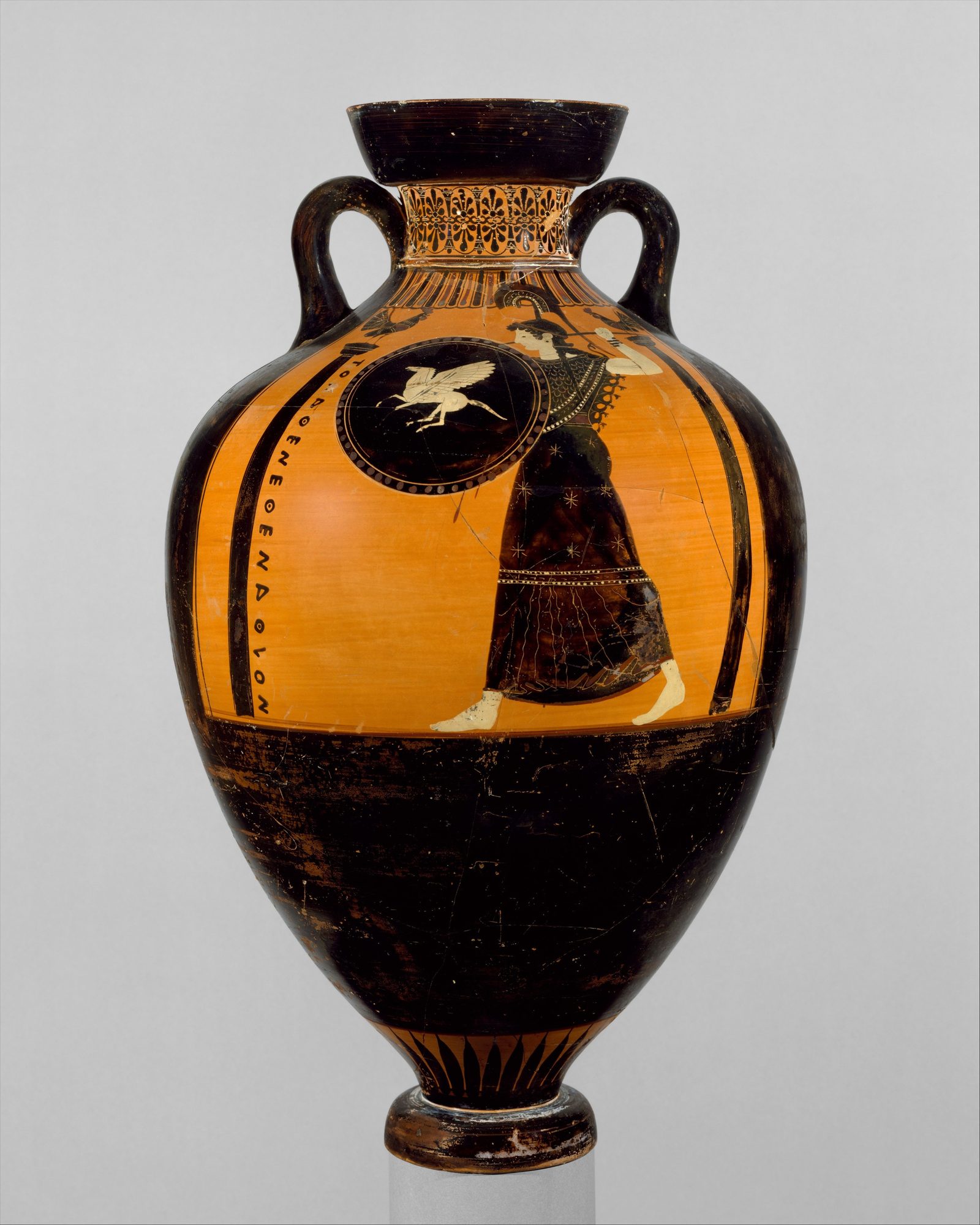
She was born from her father's skull in full armour, spear already levelled, and the whole of Olympus reeled at the sight of a daughter equal to Zeus.
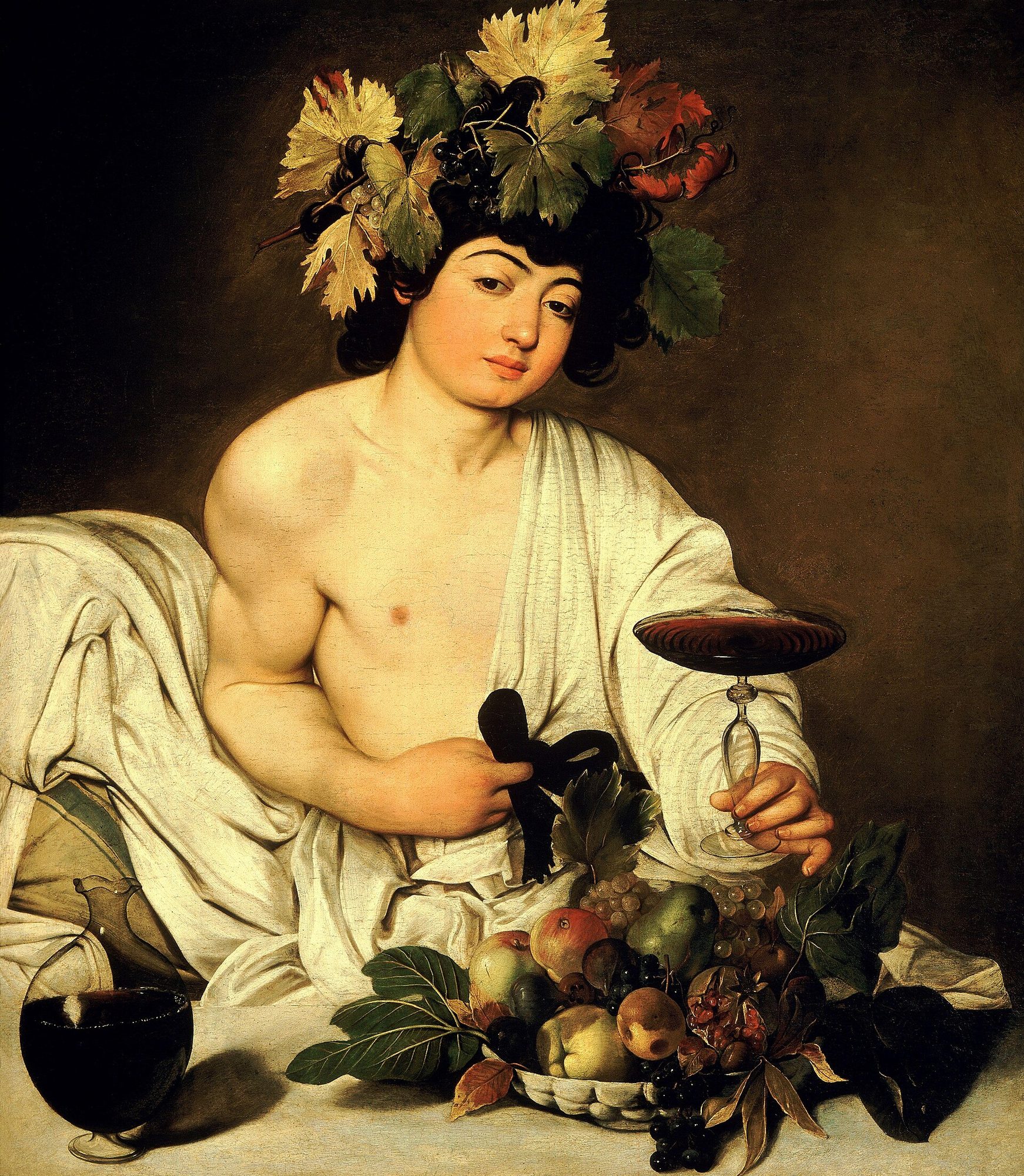
The twice-born stranger who turns pirates into dolphins and a mother into her son's killer, the loosener of cares who is lethal to anyone who denies him.
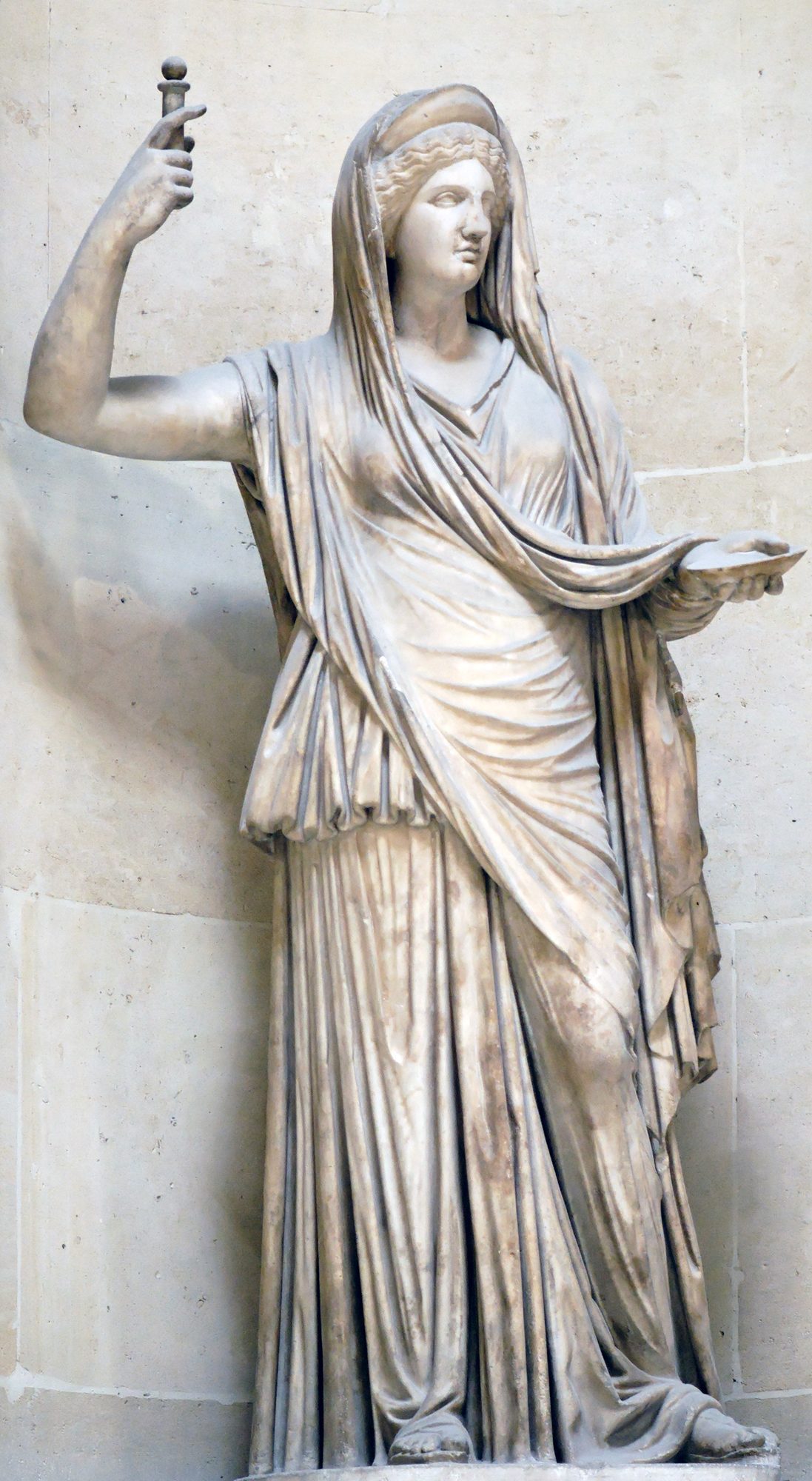
The goddess of marriage who ruled beside Zeus and warred against him in the same breath, dressing for seduction as a strategy of state.
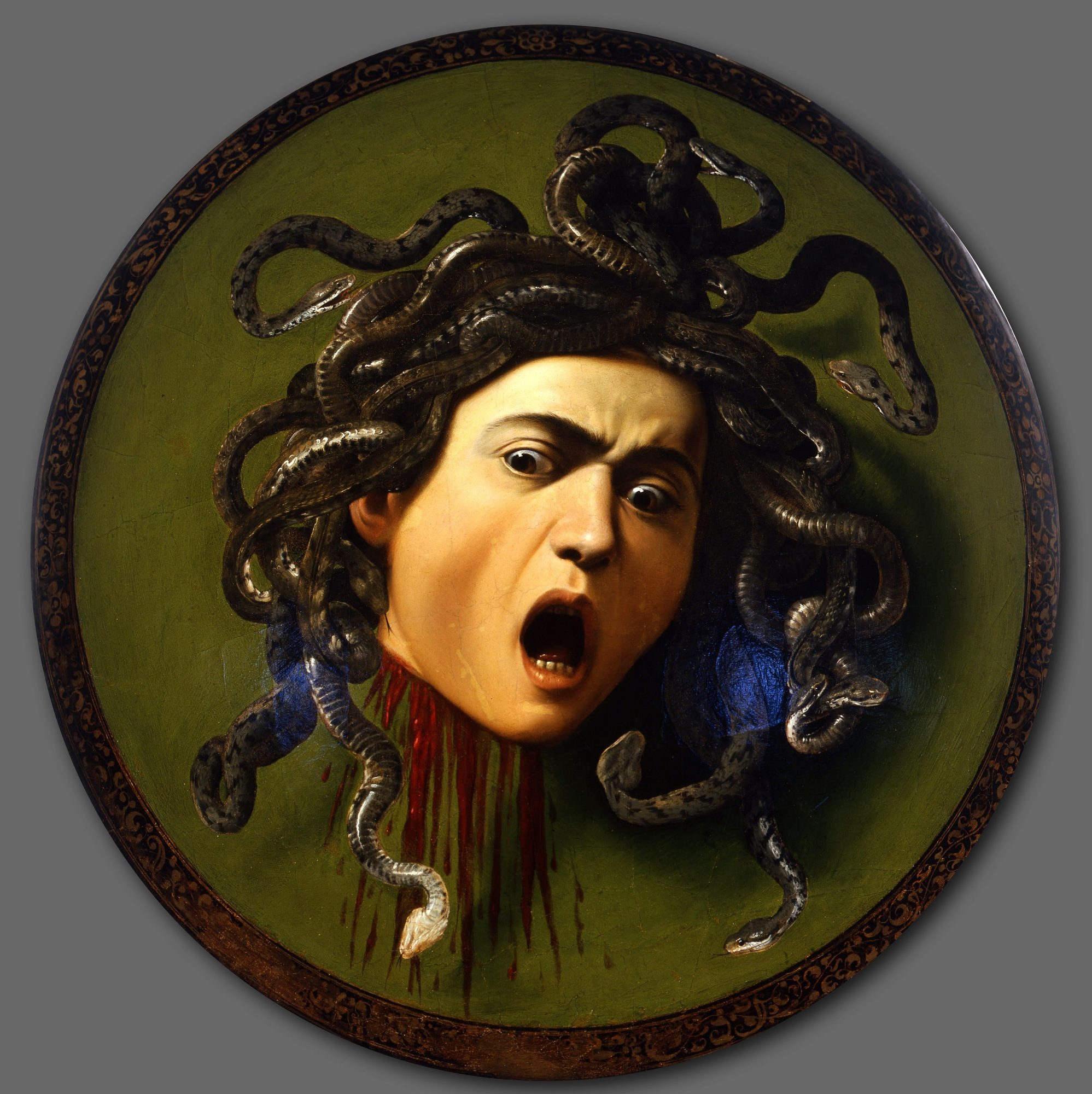
A face no one could look at and live, and a hero who beat it by refusing to look. The only mortal monster in a family of immortal ones, killed in her sleep.
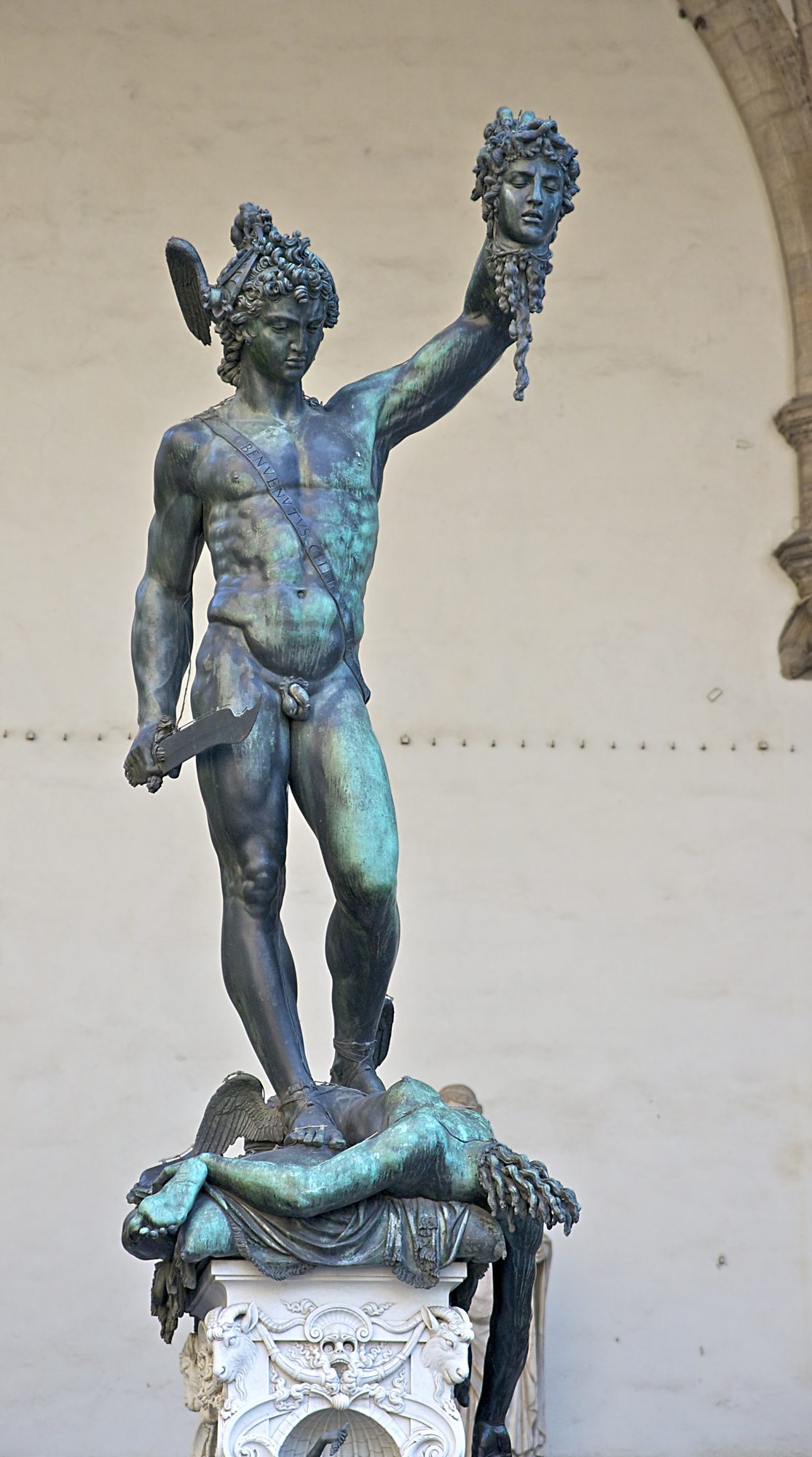
Locked in a bronze cell, cast to sea in a chest, sent for a head no man could look at and live. The hero who won by never looking, and killed his grandfather by accident.
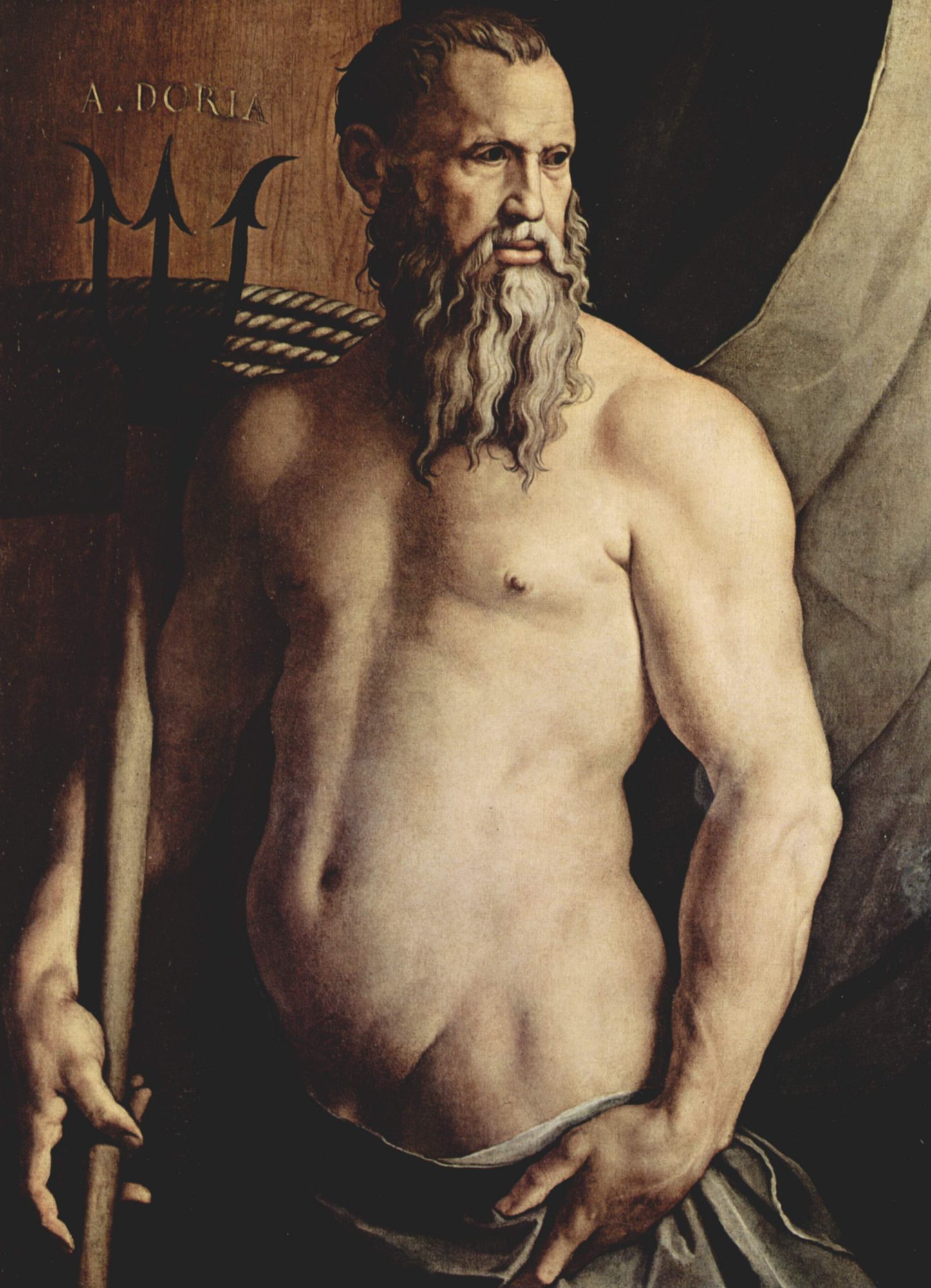
He drew the grey sea by lot and never forgave a slight, splitting rock with his trident to raise storms, drown heroes and shake the earth itself.