Egyptian
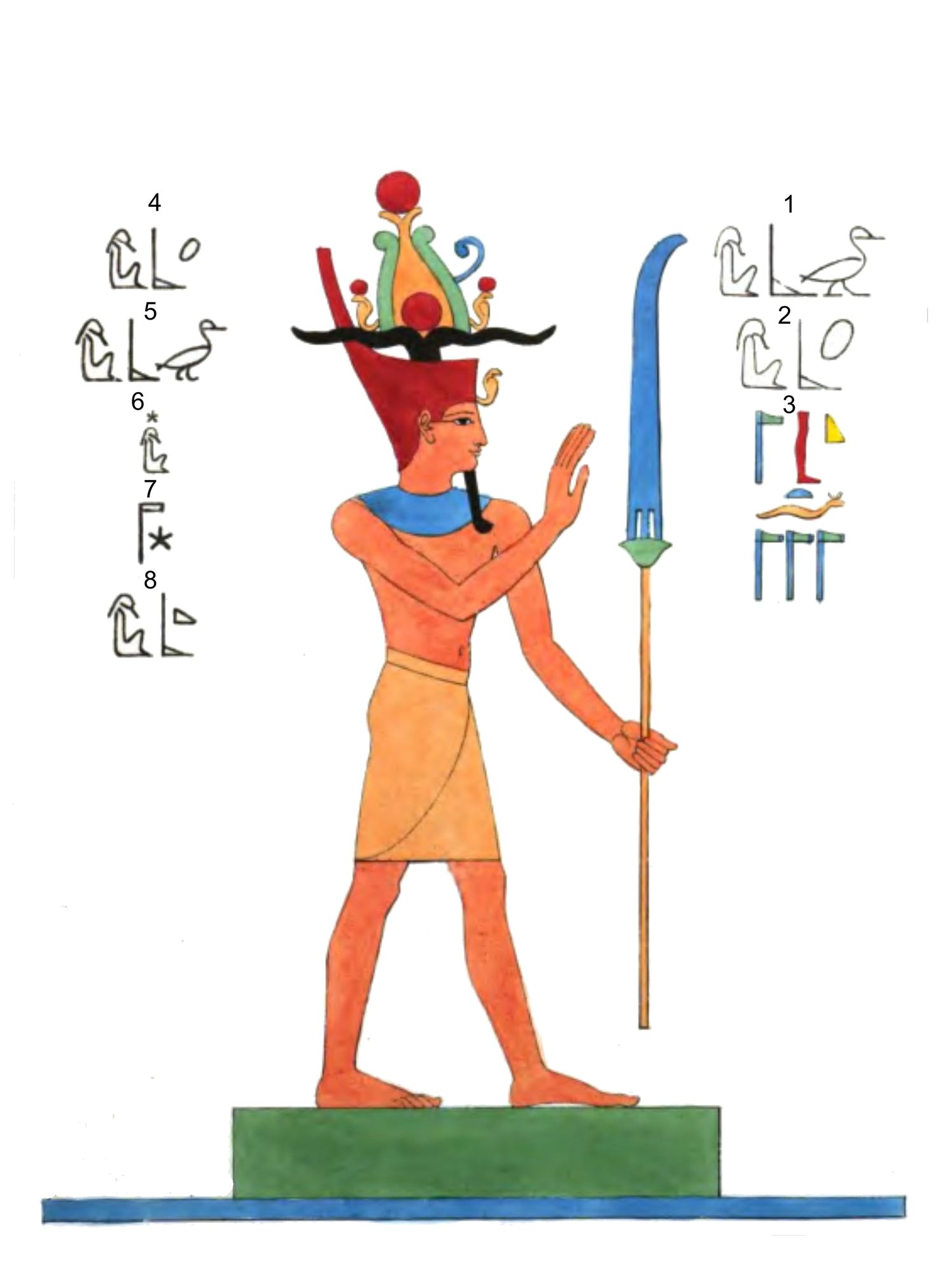
Geb, the Earth Beneath
To bite the ground is to bite a god. He is the floor of the world, the judge at the head of the Nine, and the father who hands the throne of Egypt down to his son.
The gods of the Nile, the journey of the dead, and the order of Ma'at — told from the Pyramid Texts, the Coffin Texts, and the Book of the Dead, with every claim kept honest to its source.
To bite the ground is to bite a god. He is the floor of the world, the judge at the head of the Nine, and the father who hands the throne of Egypt down to his son.
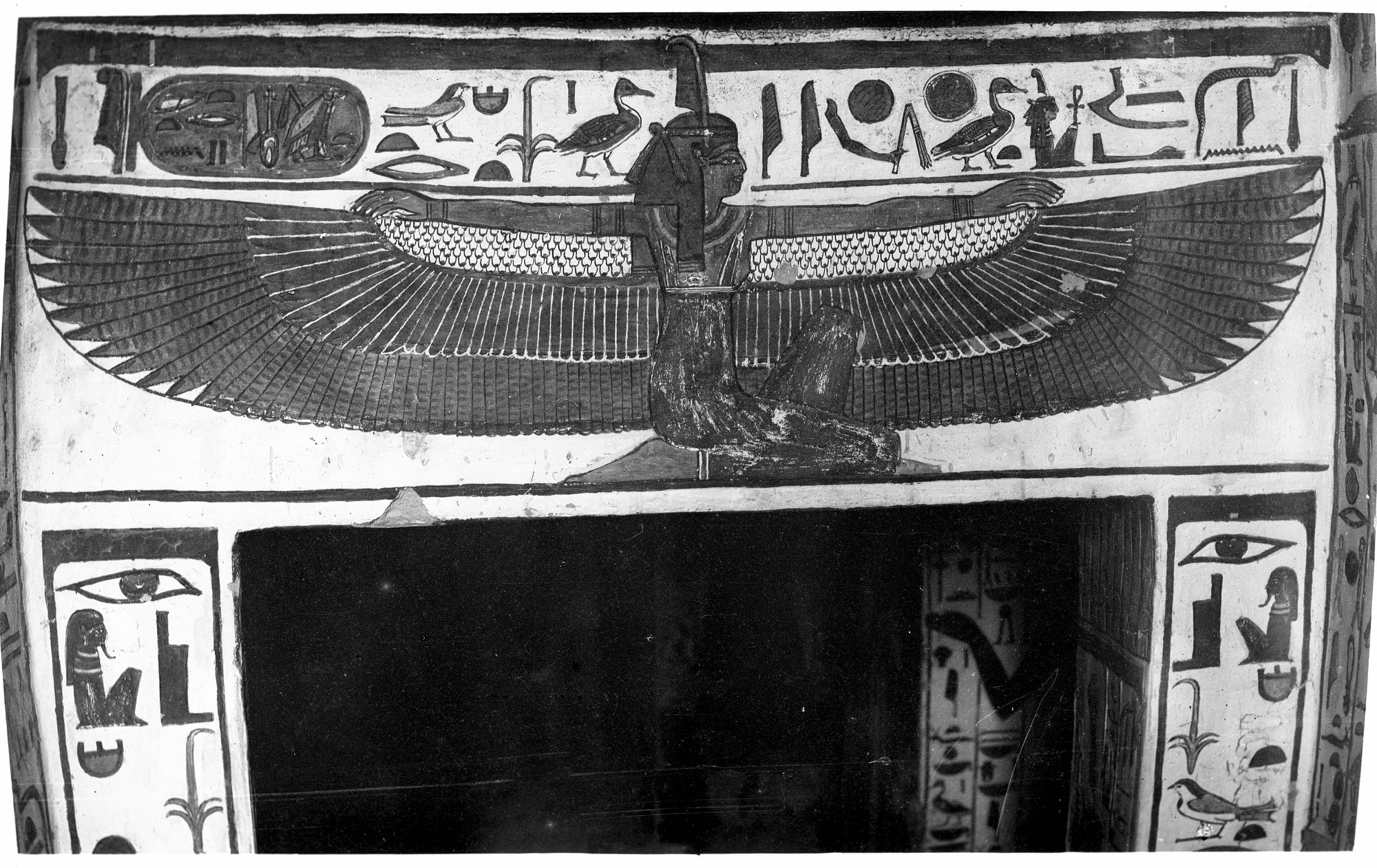
Truth, justice and the balance of the cosmos wear a single ostrich feather; against it the heart of the dead is weighed, and the gods themselves are said to live on her.
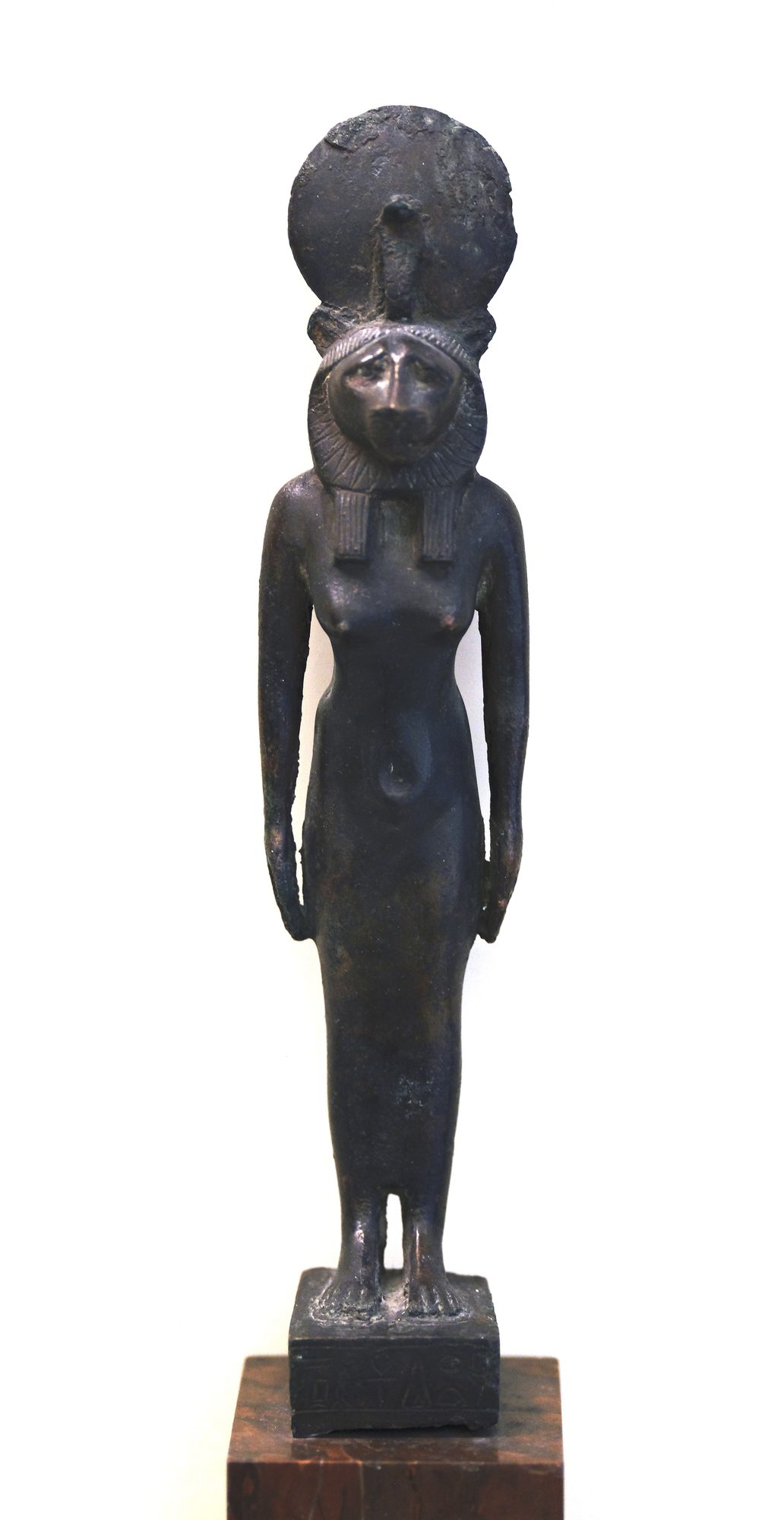
A goddess carved in statues enough to face every day of the year, whose breath was plague and whose priests were physicians: the lioness the Egyptians both feared and begged.
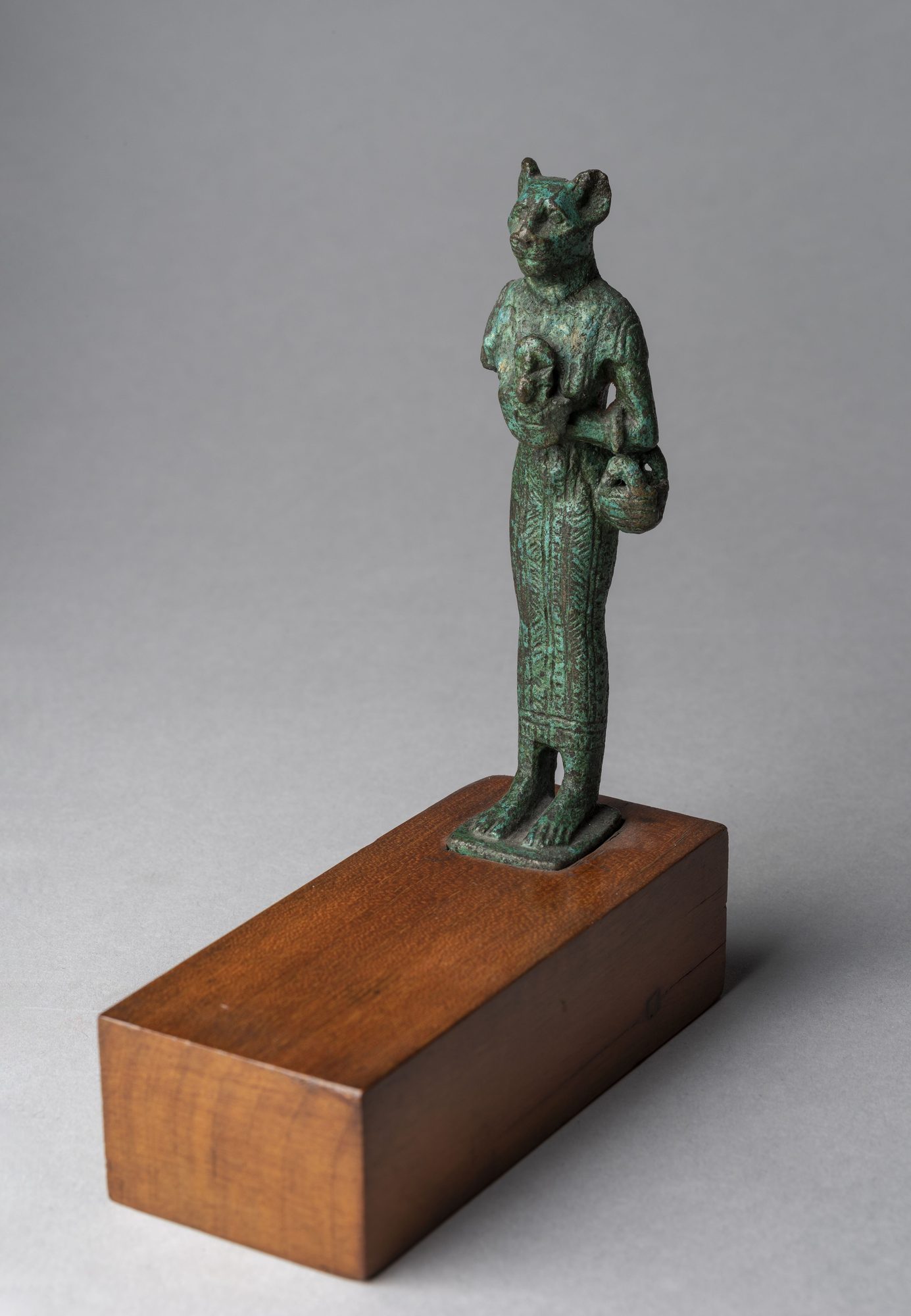
Before she was the gentle cat with kittens at her feet, she was a lioness of the sun a dead king dared not offend. Egypt drank more wine at her festival than in all the rest of the year.
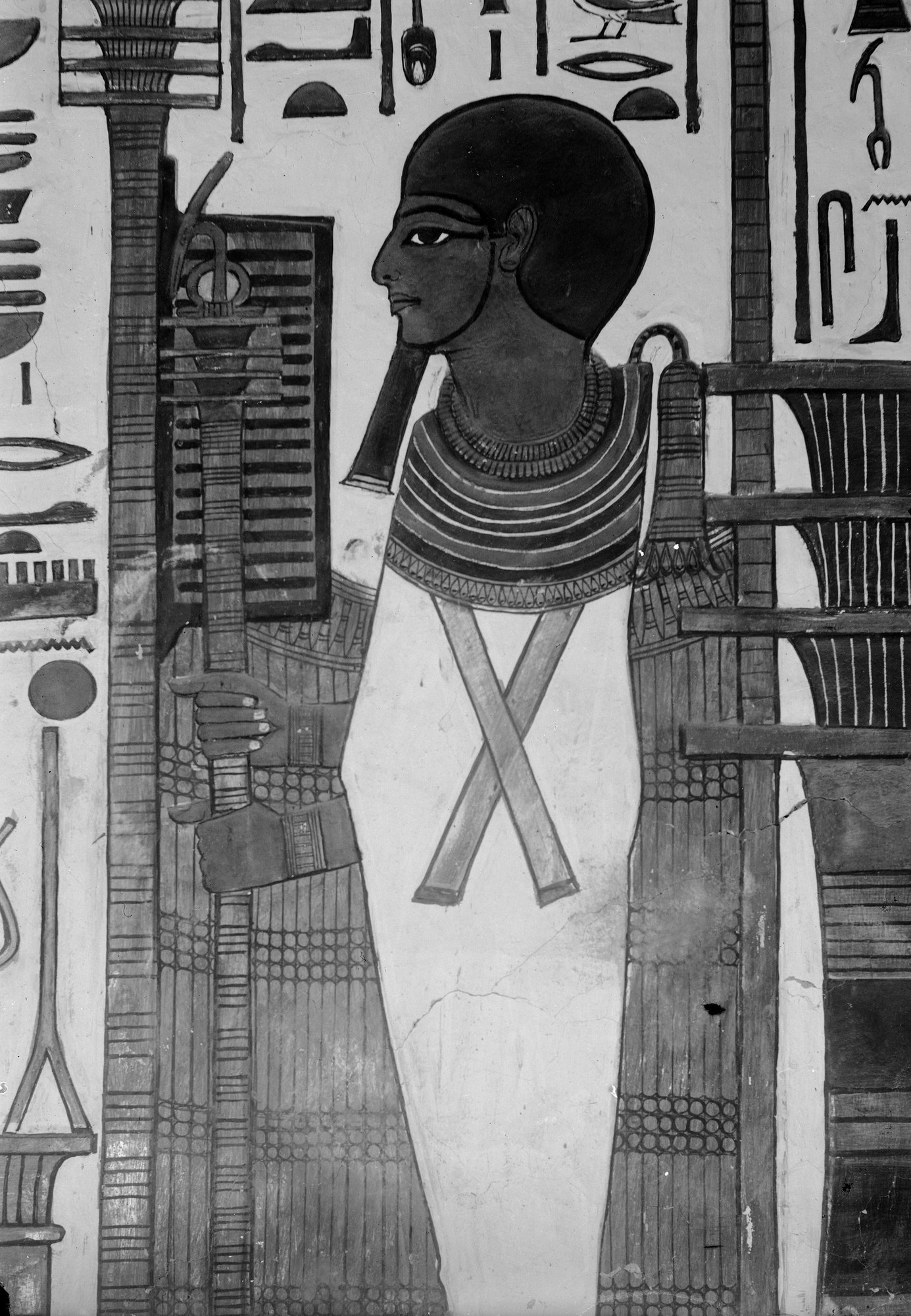
The god of Memphis made no clay and spilled no seed. He devised the cosmos in his heart and spoke it with his tongue, then built the very bodies the other gods would live inside.
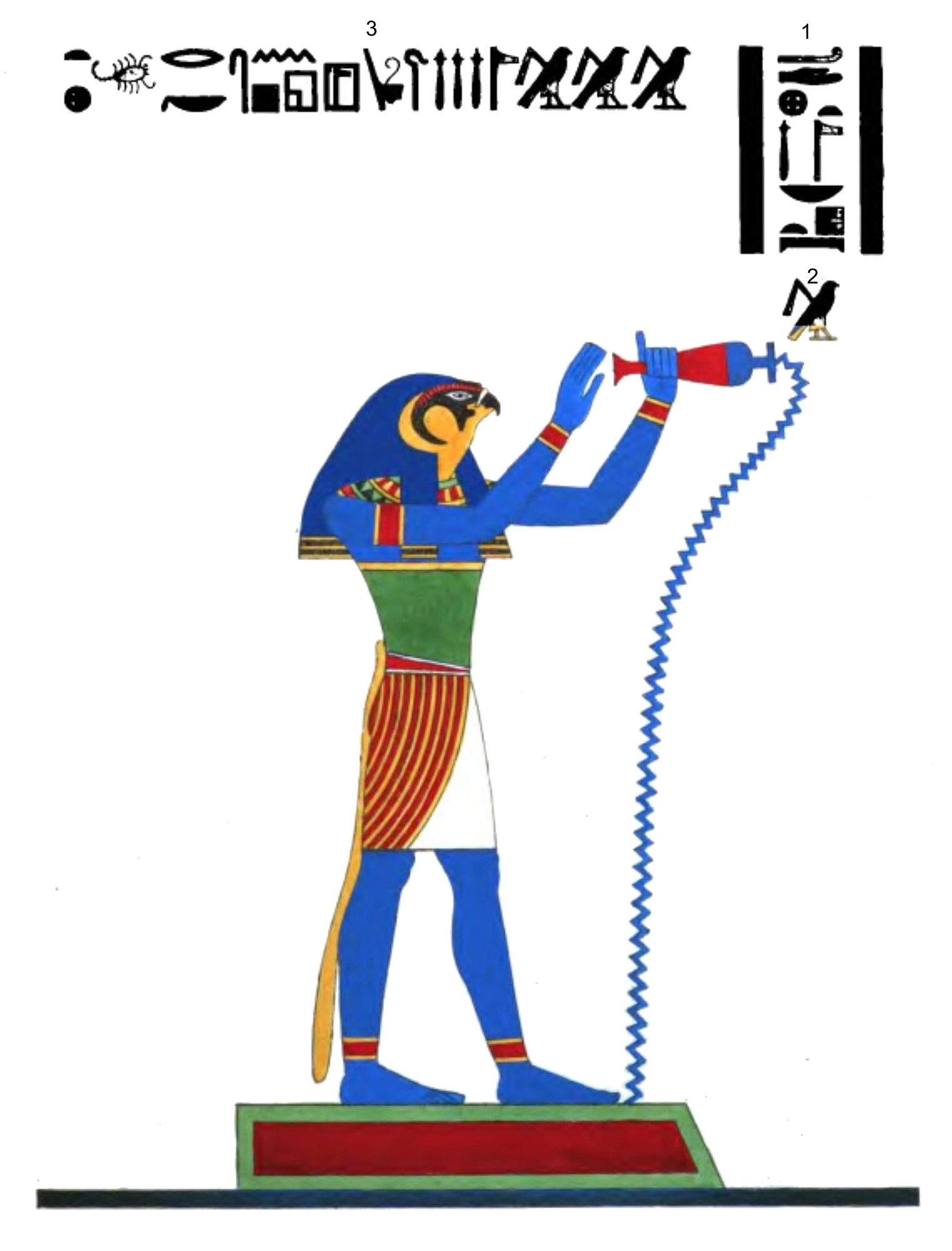
Reed-pen in one hand and palette in the other, the ibis-headed god stands at the Great Balance and writes down whether a dead soul lived true: the recorder, the proclaimer, and the very word that ordered the world.
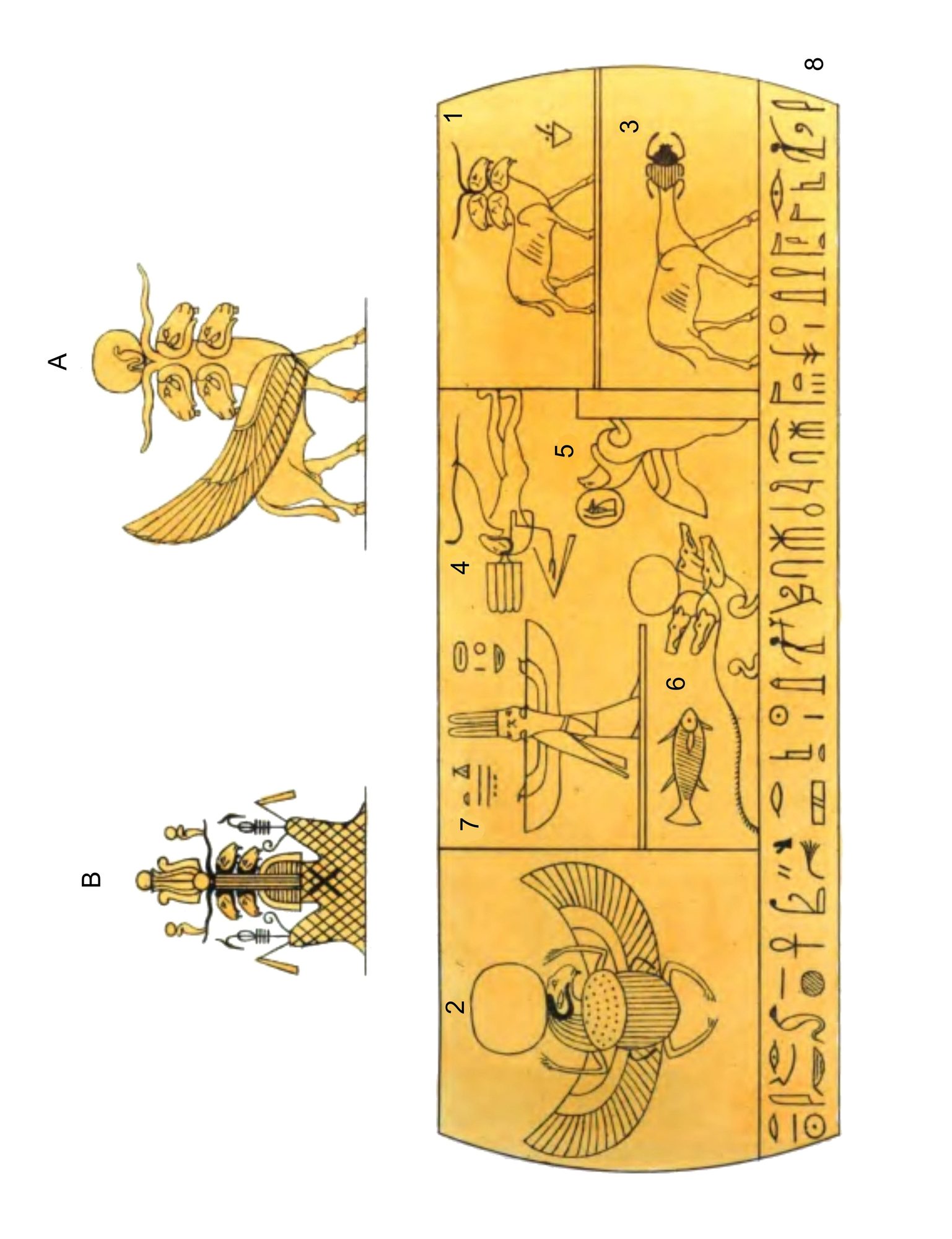
Felt like wind through feathers and never seen, the self-made creator of Thebes whose very name means concealment: how a local city-god rose to become Amun-Re, king of all the gods.
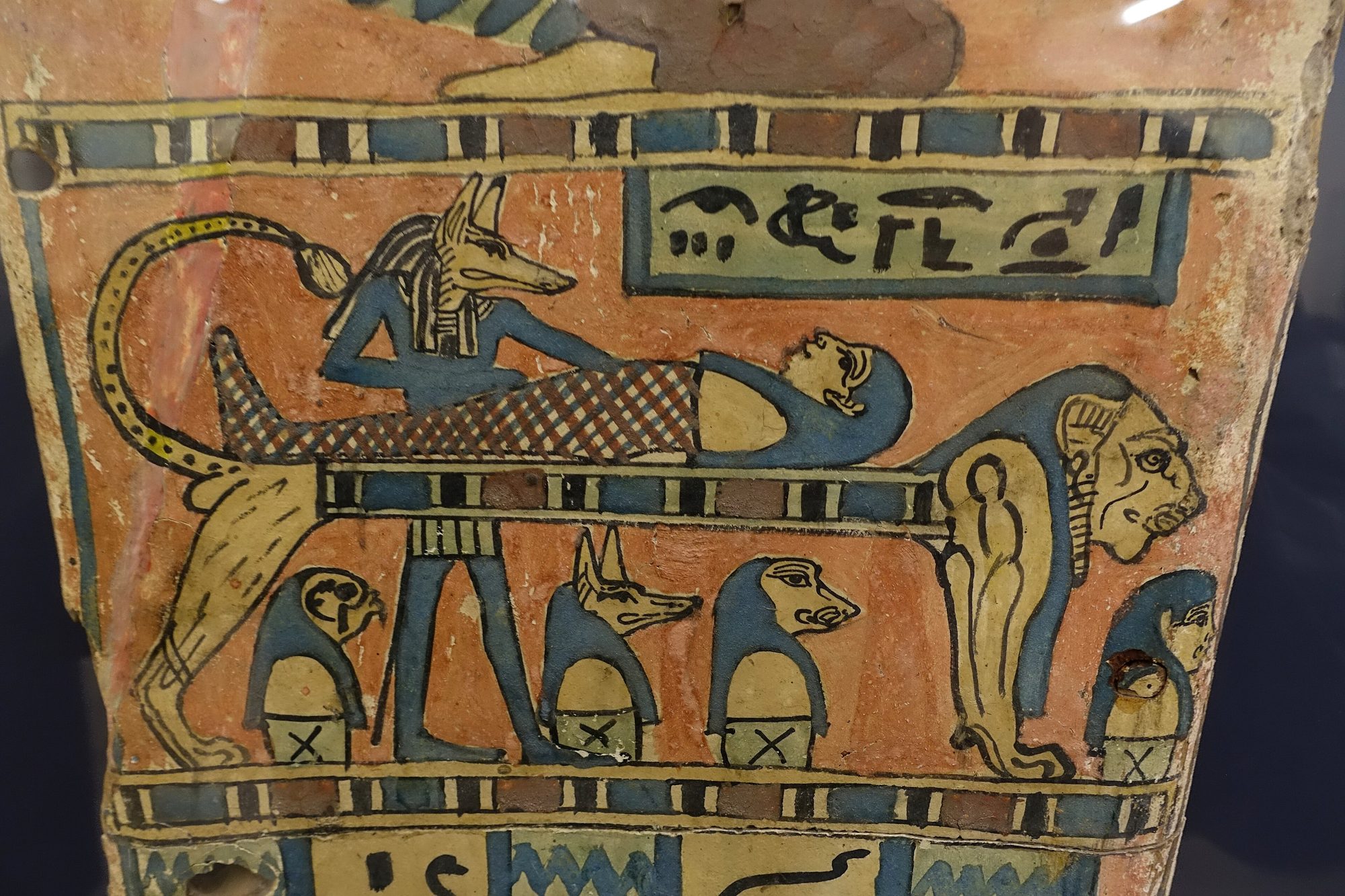
She arches over the whole earth and holds it in her arms; the dead king is her firstborn, the stars are her thousand souls, and each night she swallows the sun to give it back at dawn.
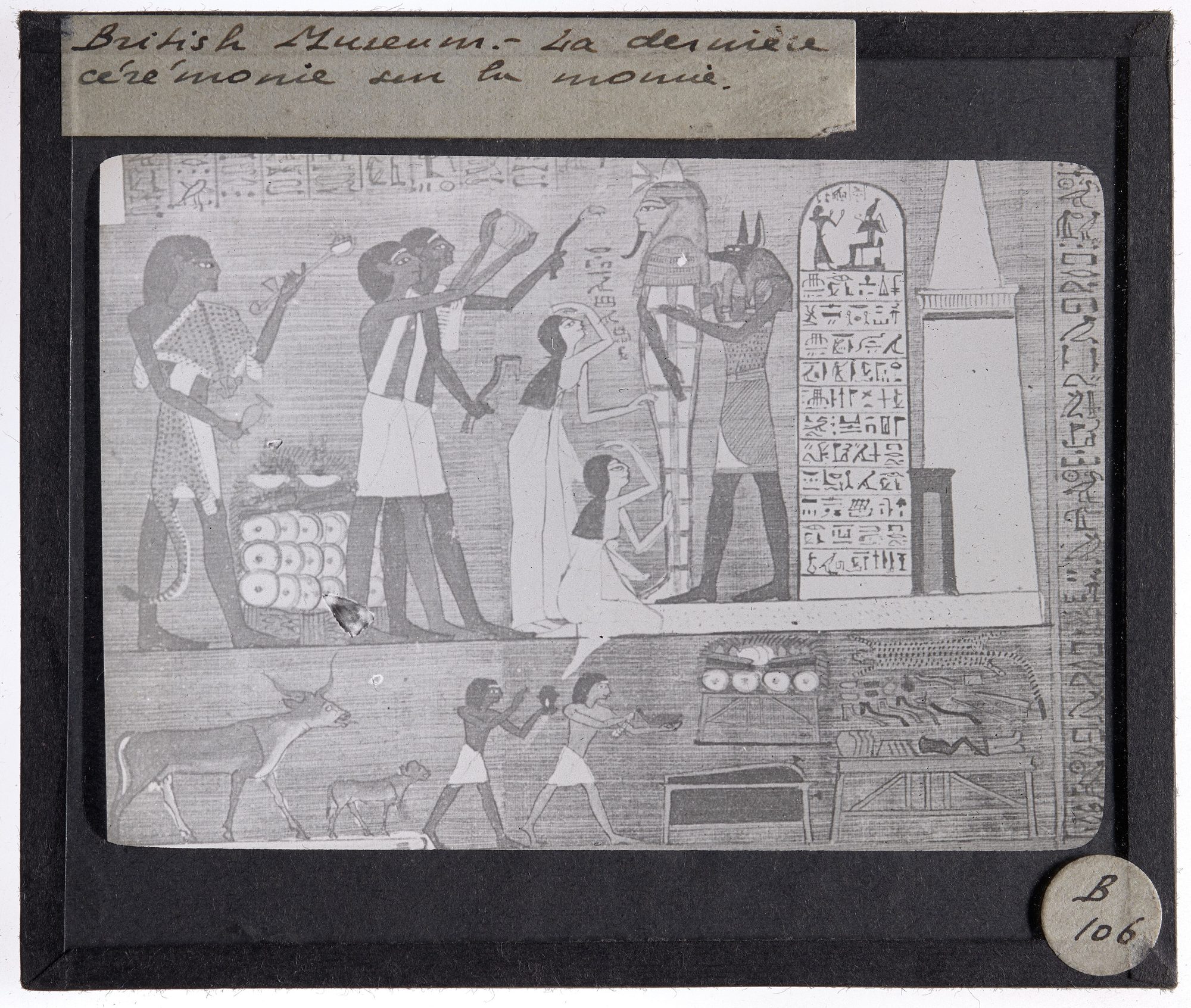
The jackal on the desert ridge, black as fresh silt and embalmer's resin: the god who washed the entrails of Osiris, kept watch over the corpse through the night, and stood at the balance where the heart was weighed.
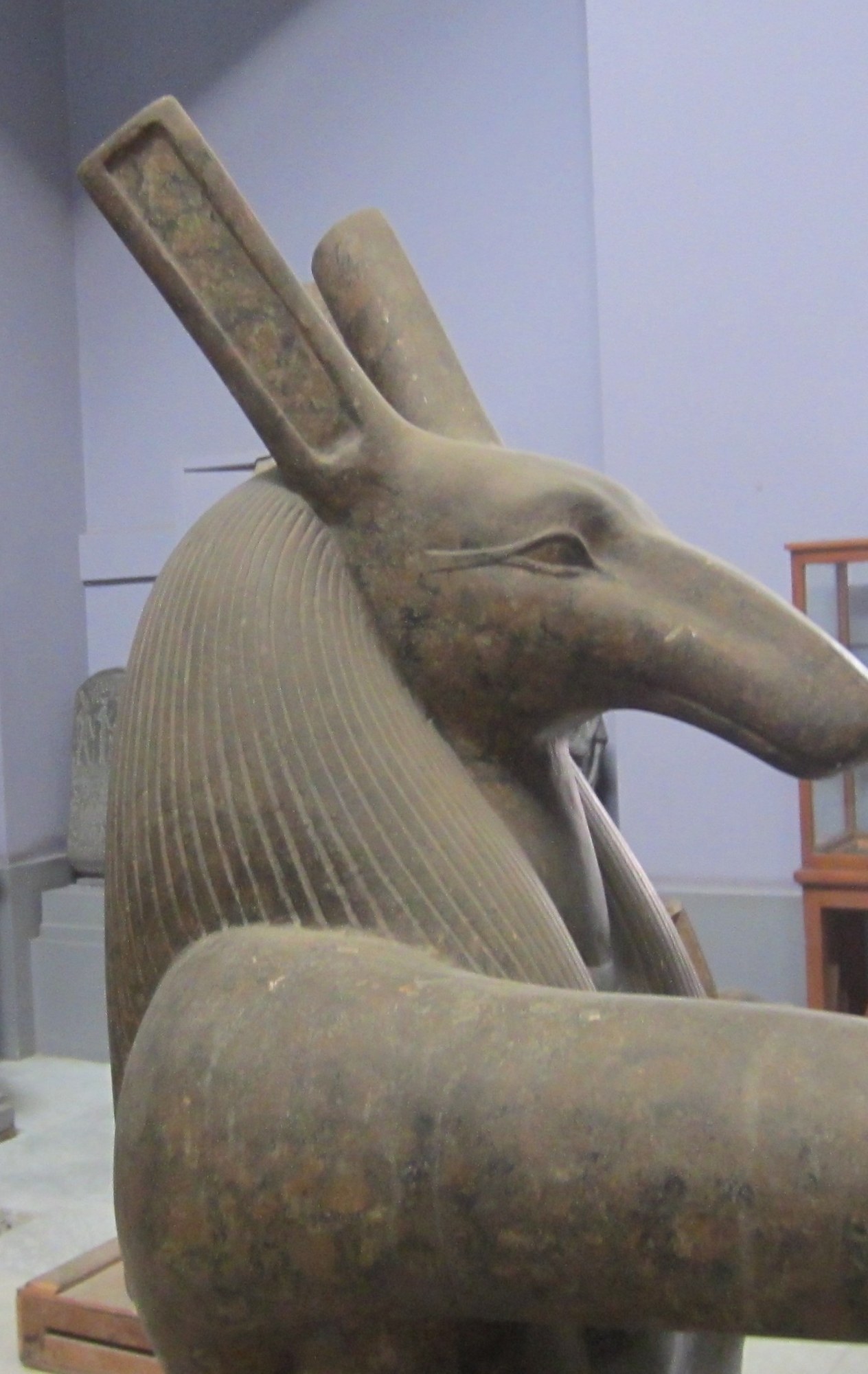
Storm-god, desert-lord and fratricide: the red god the Egyptians both needed and feared, murderer of Osiris and rival of Horus, who was never only a villain.
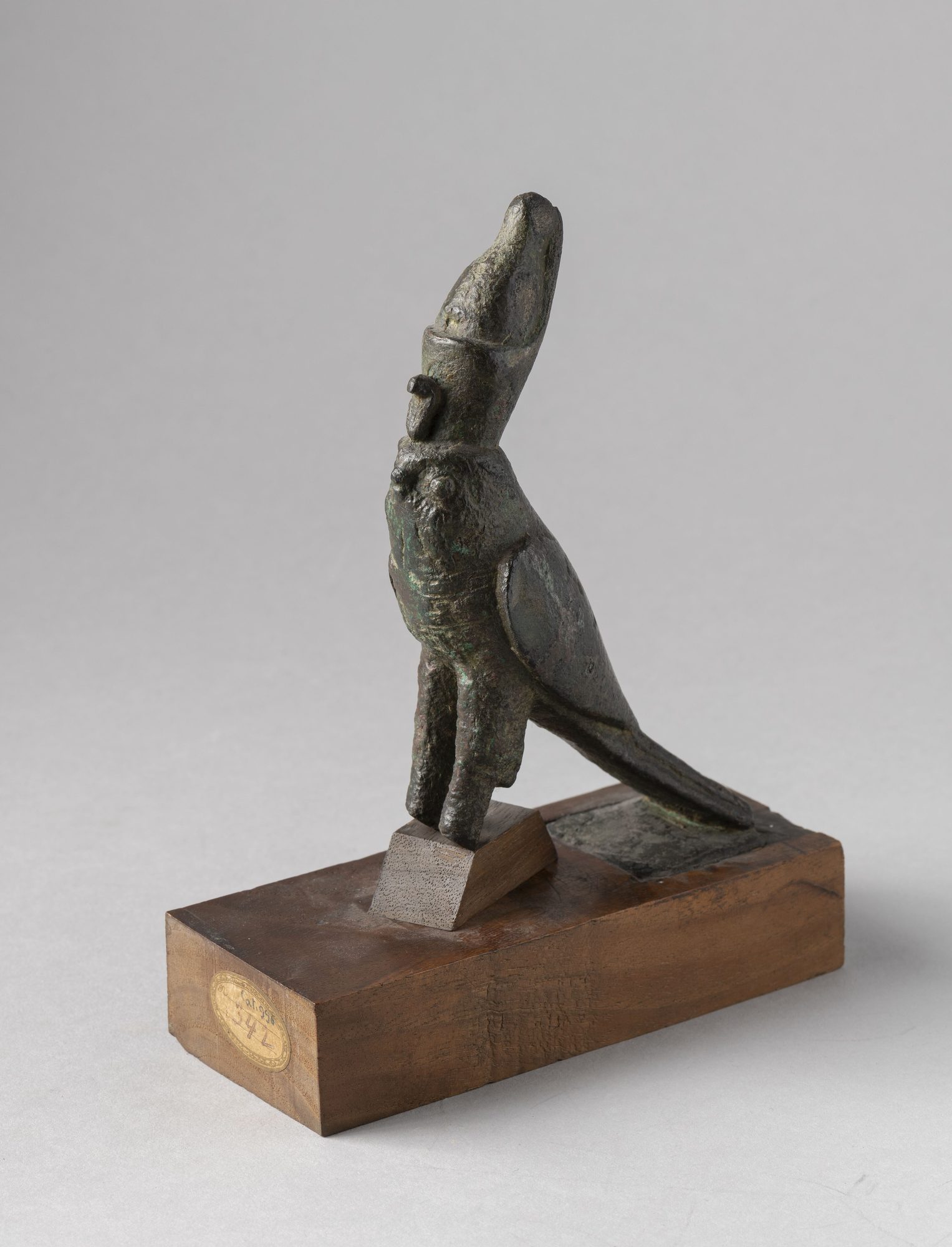
The falcon-headed heir who takes back a stolen throne: son of a murdered god, raised in a marsh, and vindicated before the assembled gods as the rightful king of Egypt.
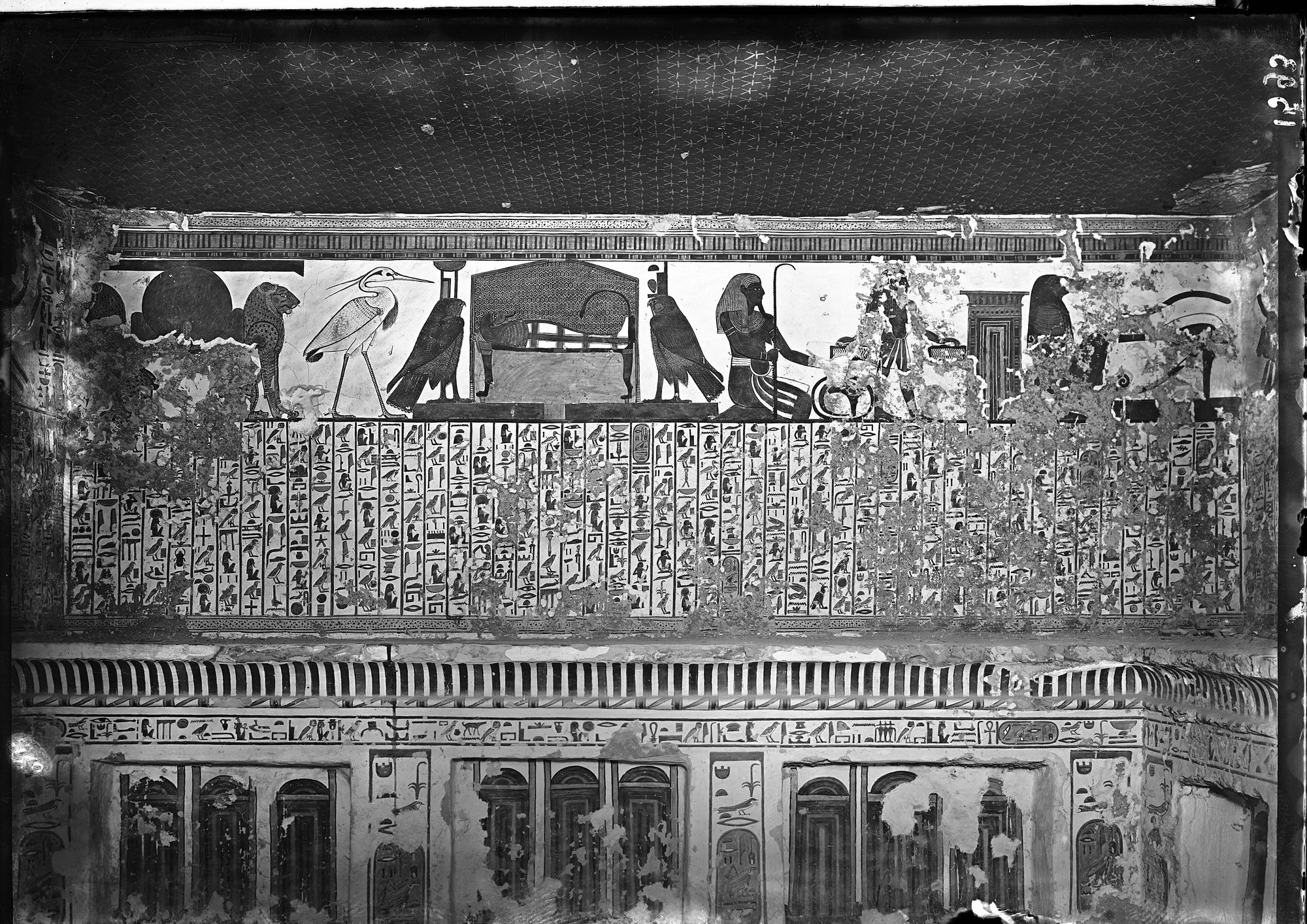
The completed sun going down, whose name means both 'finished' and 'not-be': the Heliopolitan creator drawn as a pharaoh, who lifts the dead king to the sky and will one day draw the whole world back into the flood.
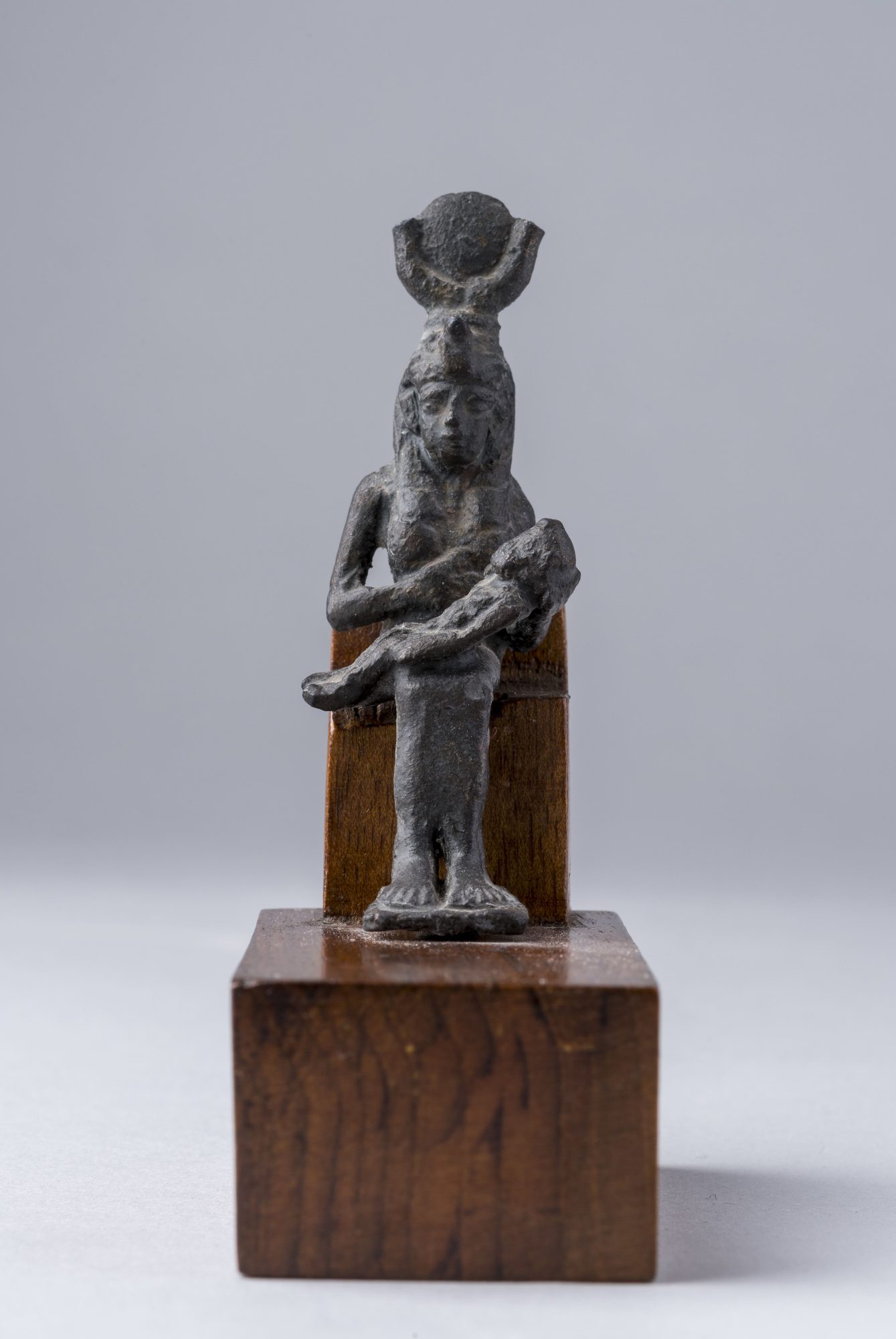
Weret-hekau, Great of Magic: the goddess who reassembled a murdered god, hid her son in a marsh, and wrung the secret name of the sun-god out of his own poisoned body.
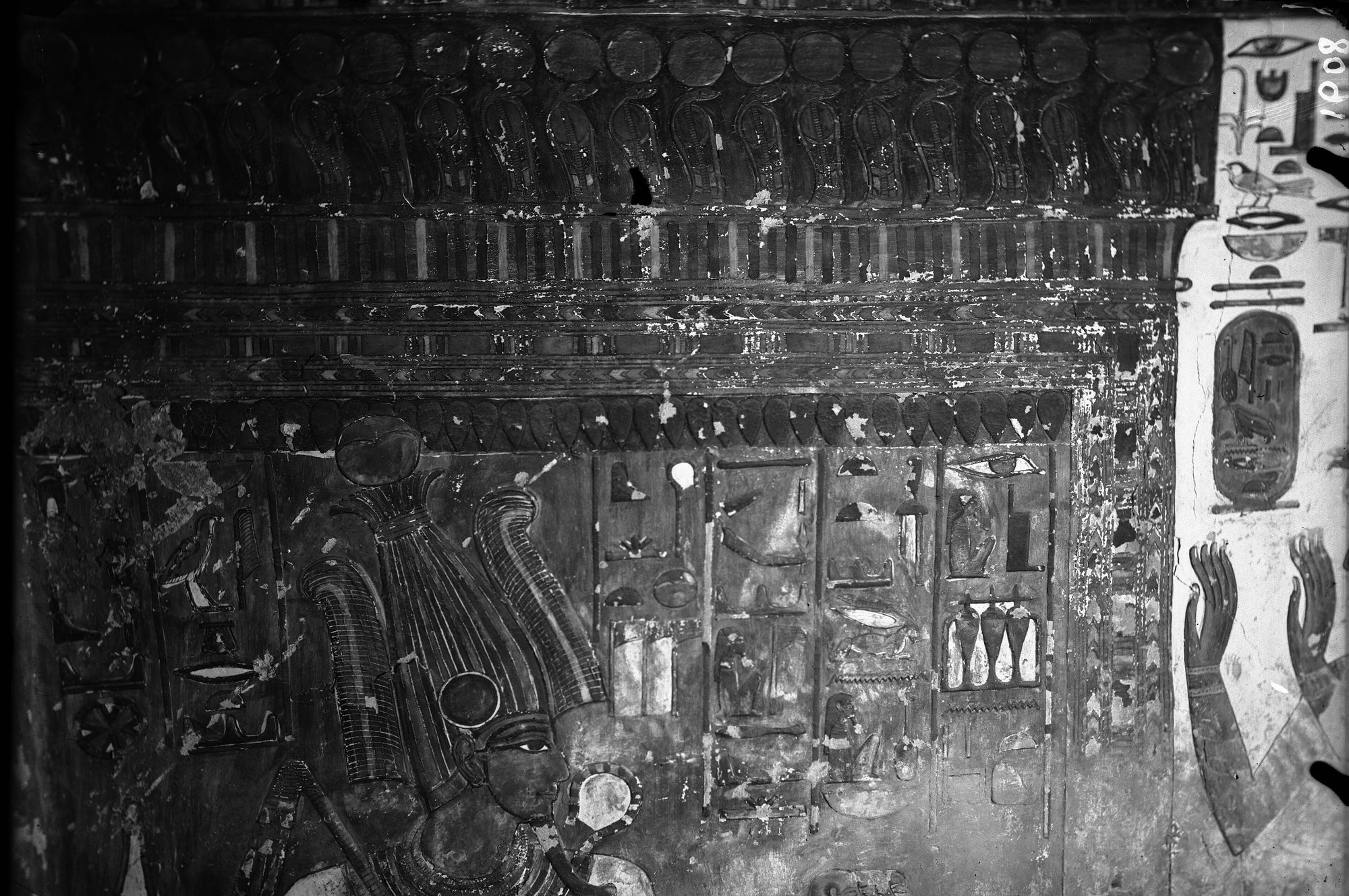
Egypt worshipped him for two and a half thousand years and never once wrote his story down: the green mummiform king who absorbed a jackal god, rose as Orion, and lent his name to every vindicated corpse.
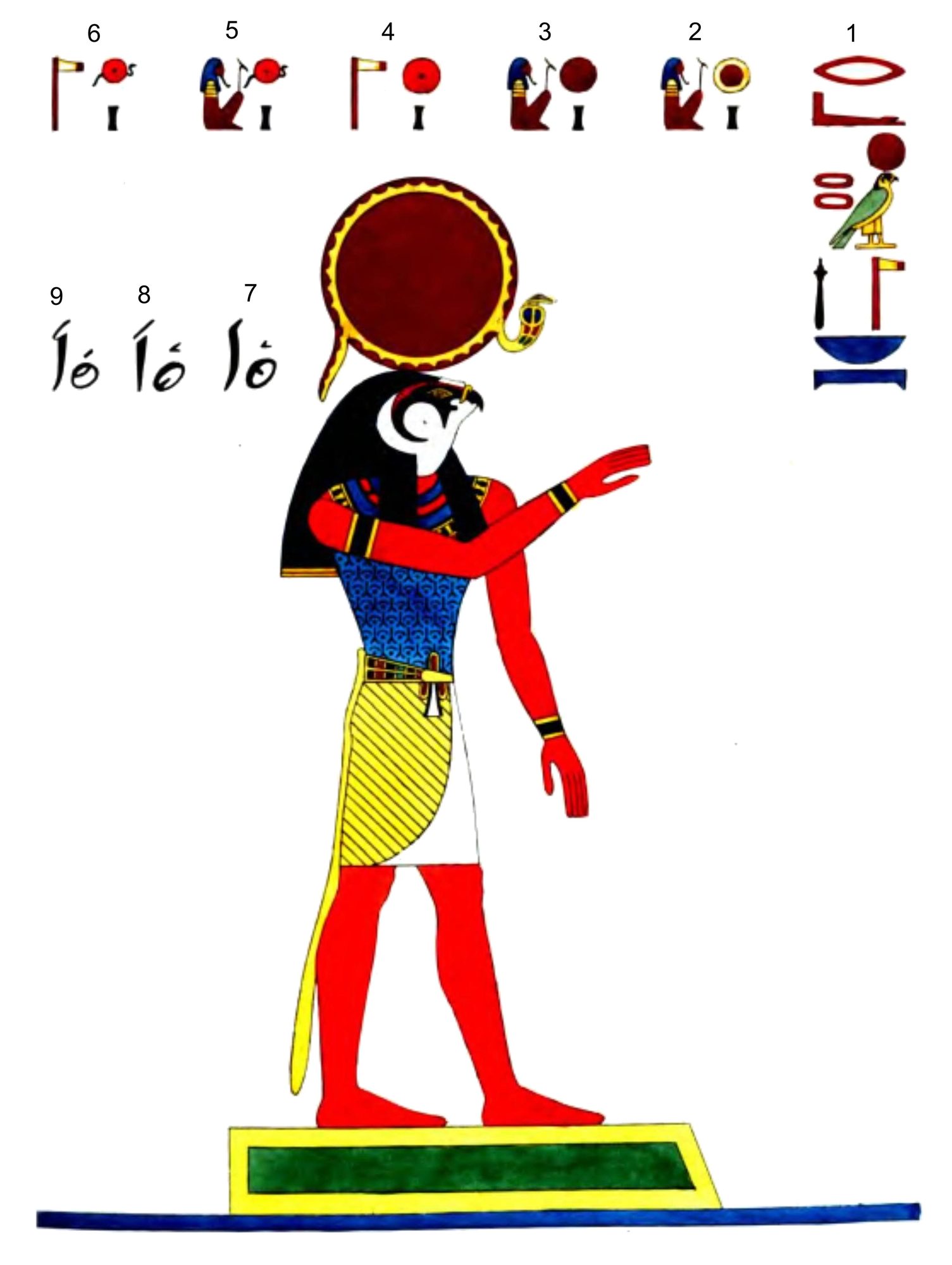
Beetle at dawn, blazing disk at noon, a tottering old man sinking into the west: the creator sun-god of Heliopolis who sails the sky by day and fights his way through the underworld by night.
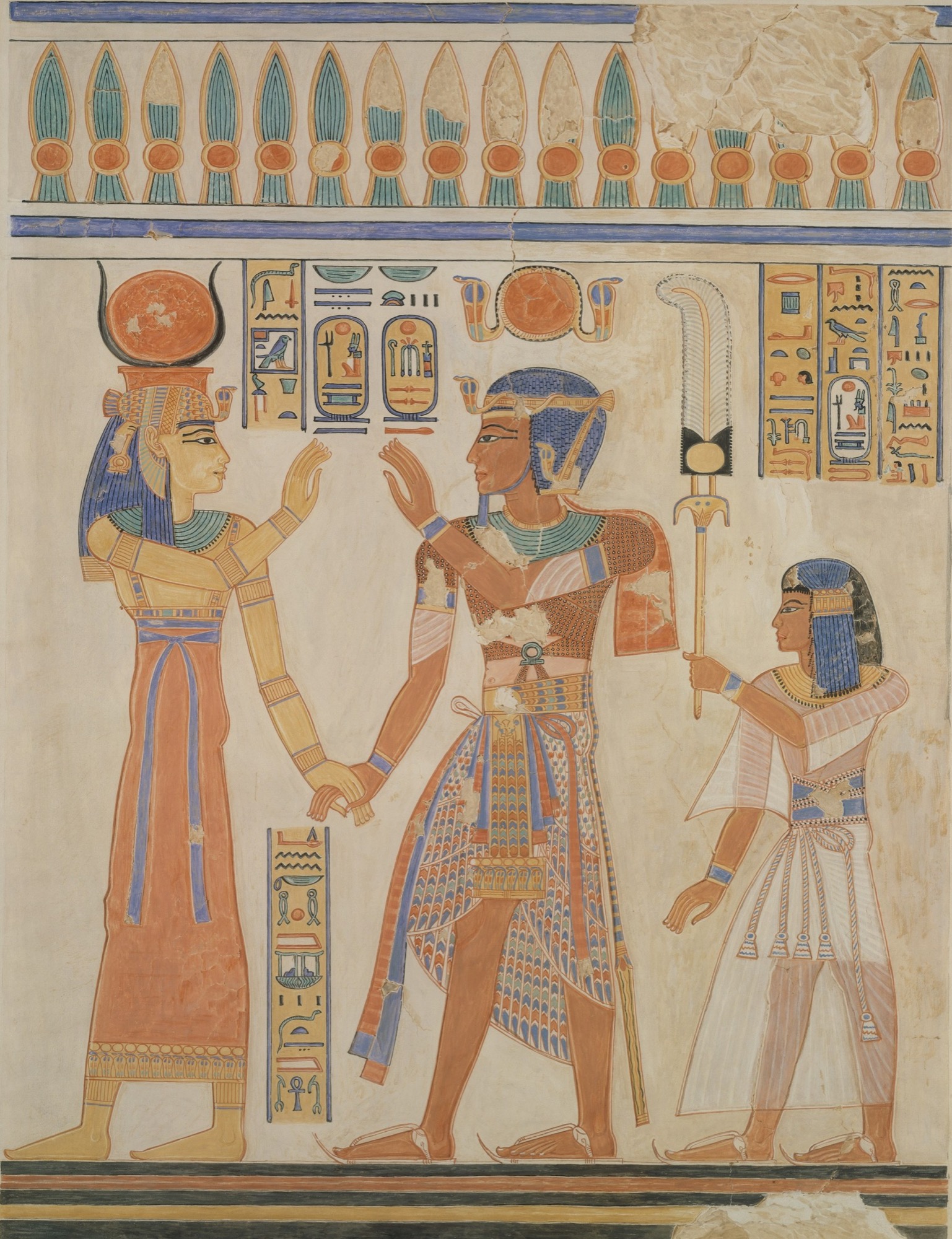
Ra loosed his own Eye on rebellious mankind, then could not call her off. So he brewed seven thousand jars of blood-red beer and flooded the fields, and let the killer drink herself gentle.
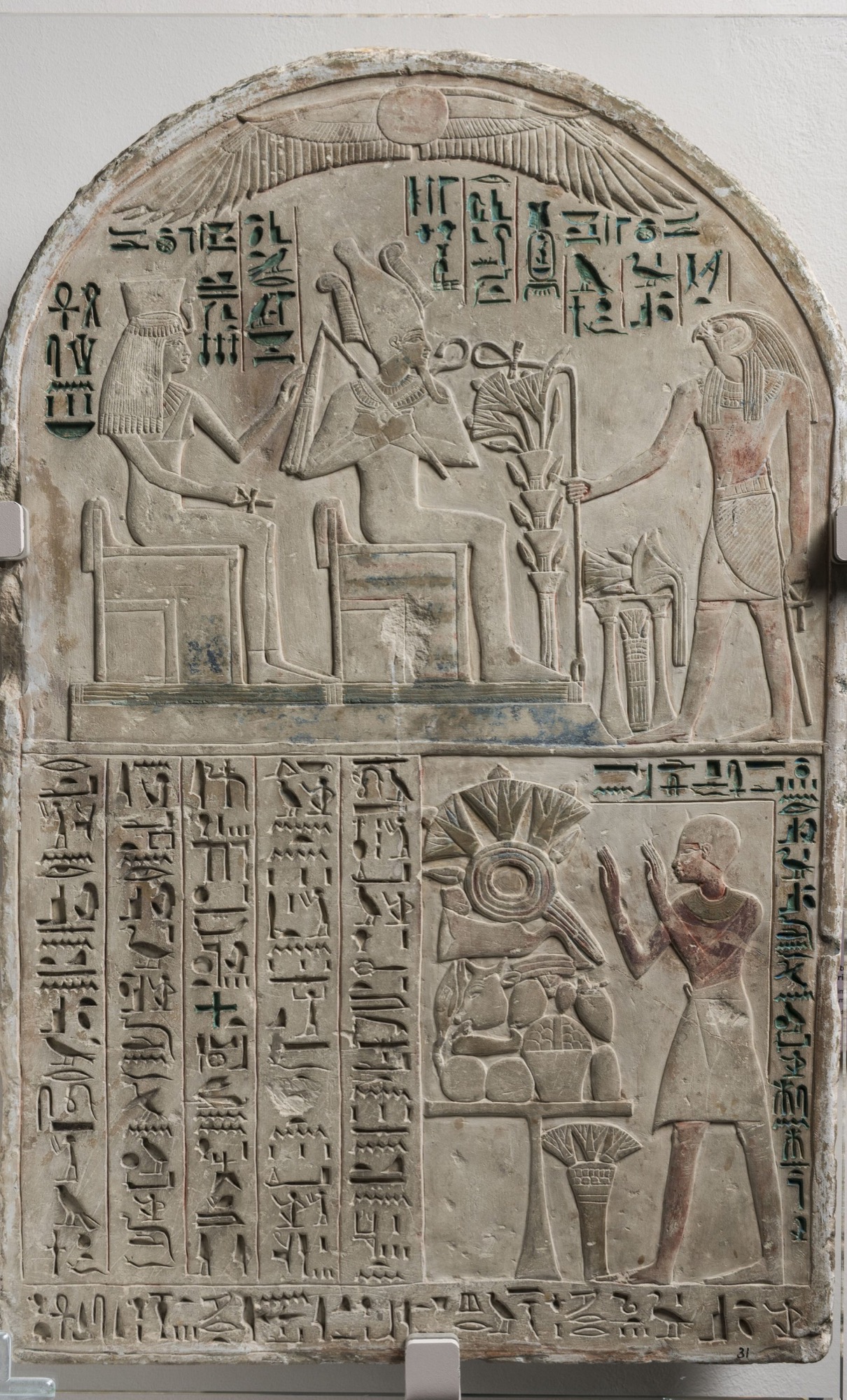
Reared in the marshes until his arm was strong, the falcon-son came for the throne his uncle stole: three ancient traditions, a slaughter, a tribunal and a war, and not one clean duel among them.
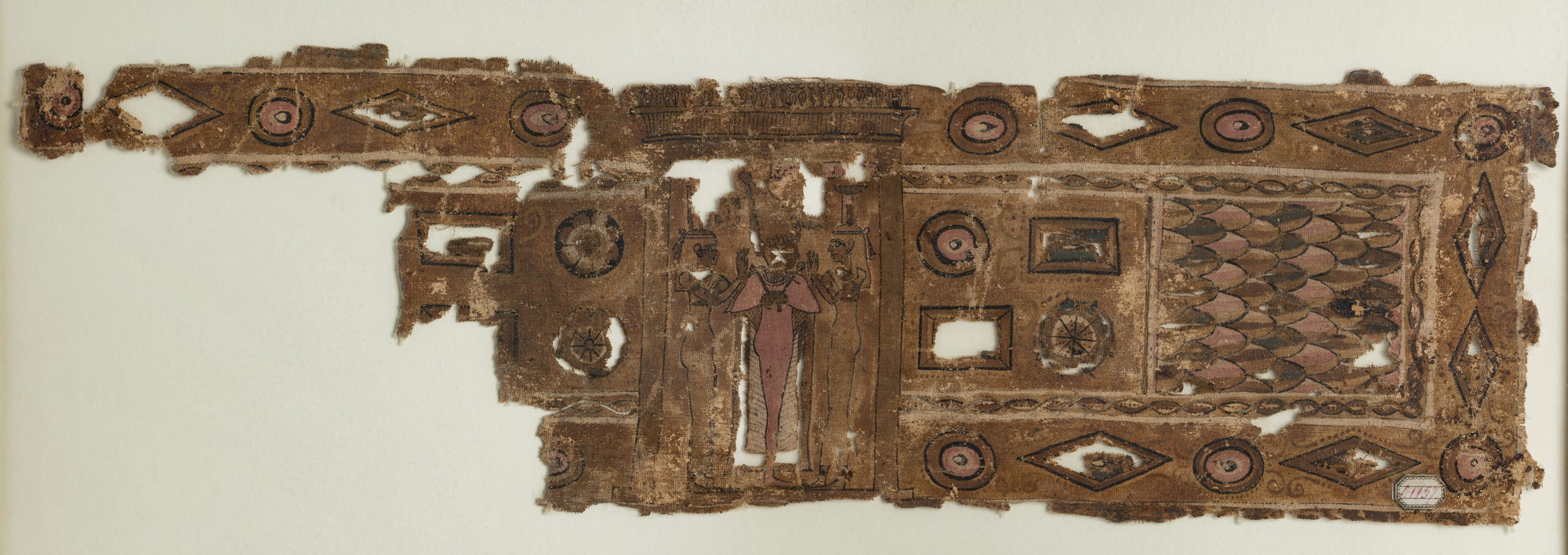
A widow cuts a lock of her hair, puts on mourning, and walks out into the marshes to find a husband her brother has thrown to the water: the long search for the body of Osiris, and why no single ancient text tells it whole.
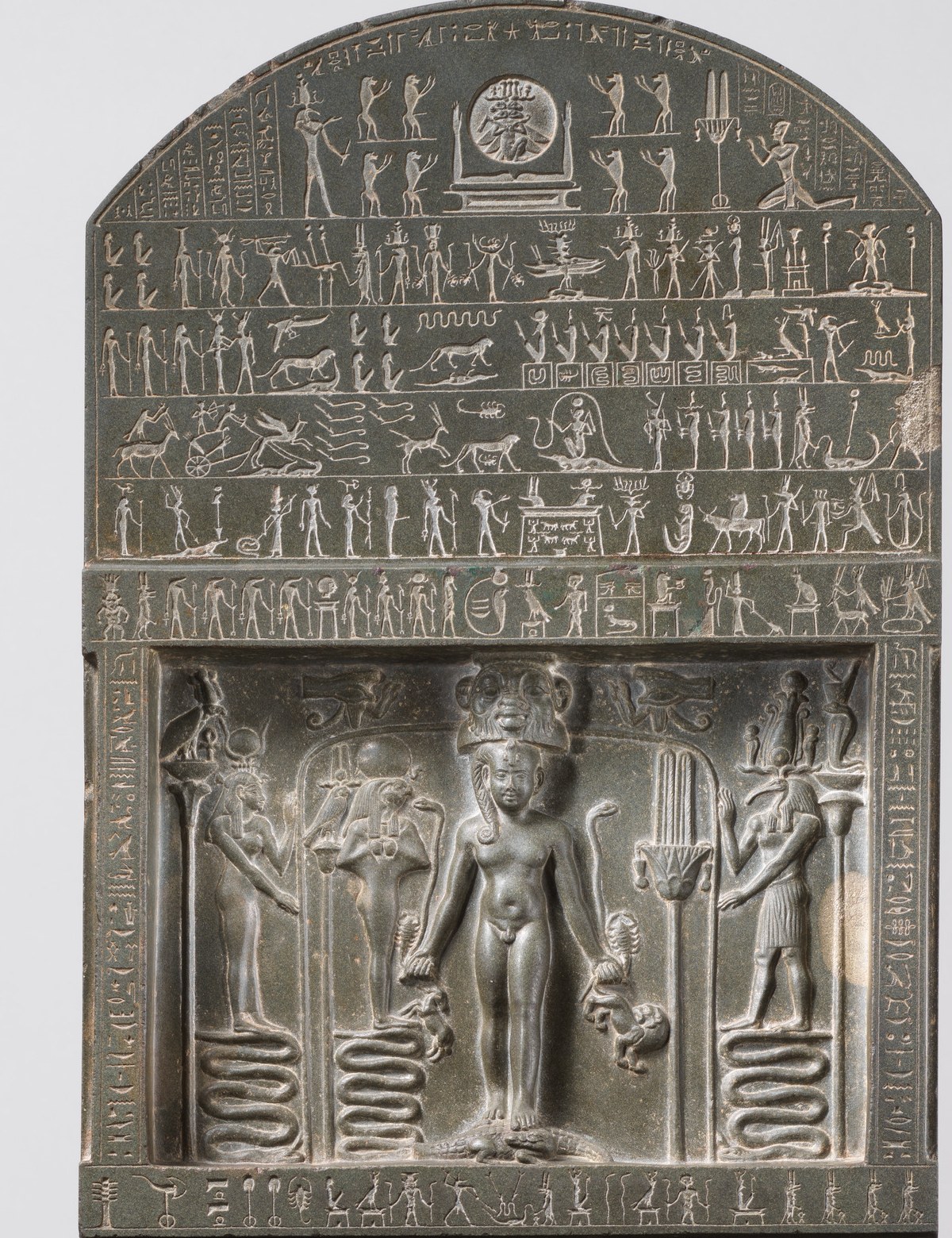
Eighty years of lawsuits and duels for a dead king's throne: an uncle and a nephew, a bench of gods that cannot make up its mind, and a mother who will not let her son lose.
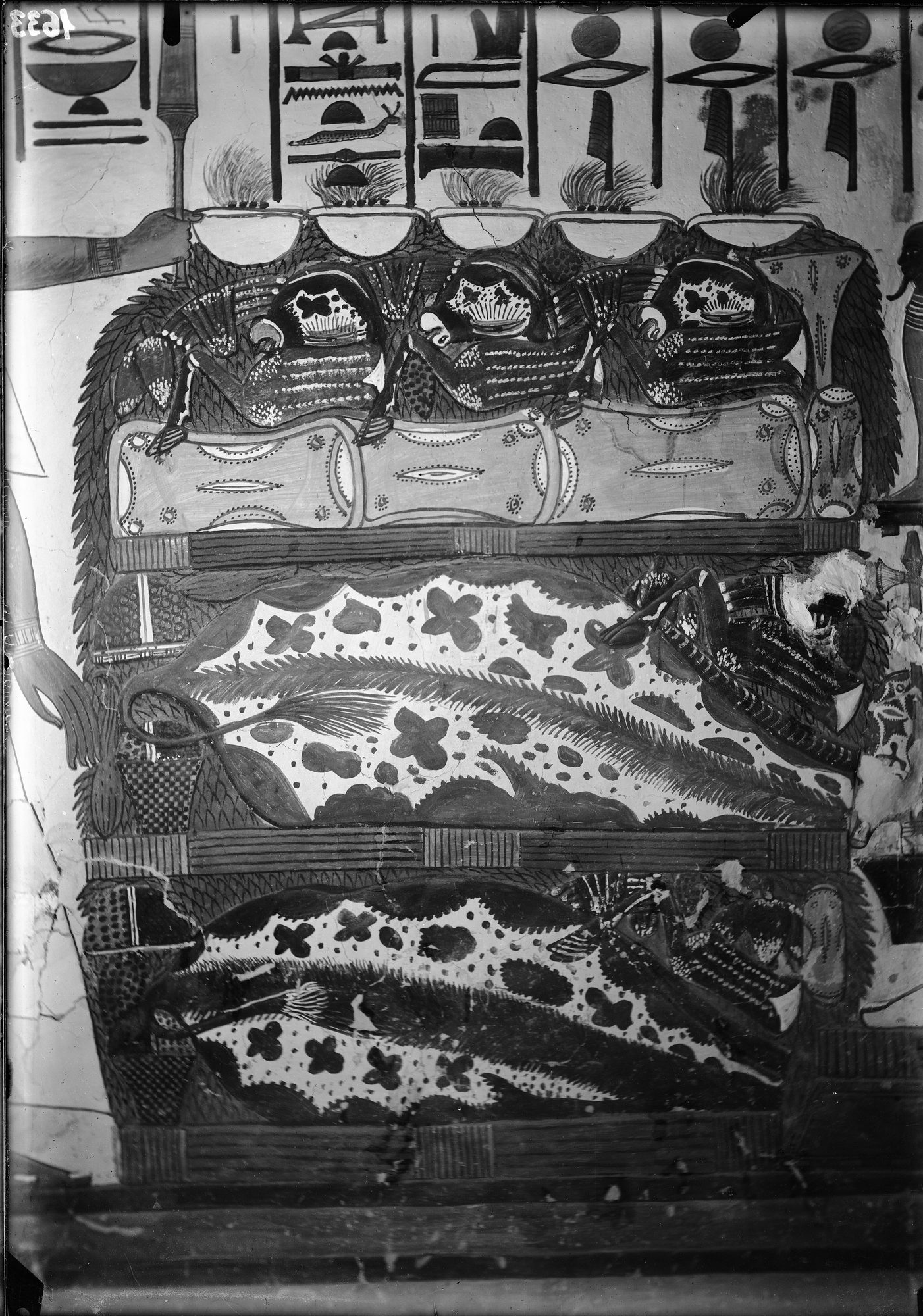
A brother's fitted coffin, a body torn into pieces and scattered, and the magic of a wife who gathered them back: how the murdered king was made whole and got an heir from beyond death.
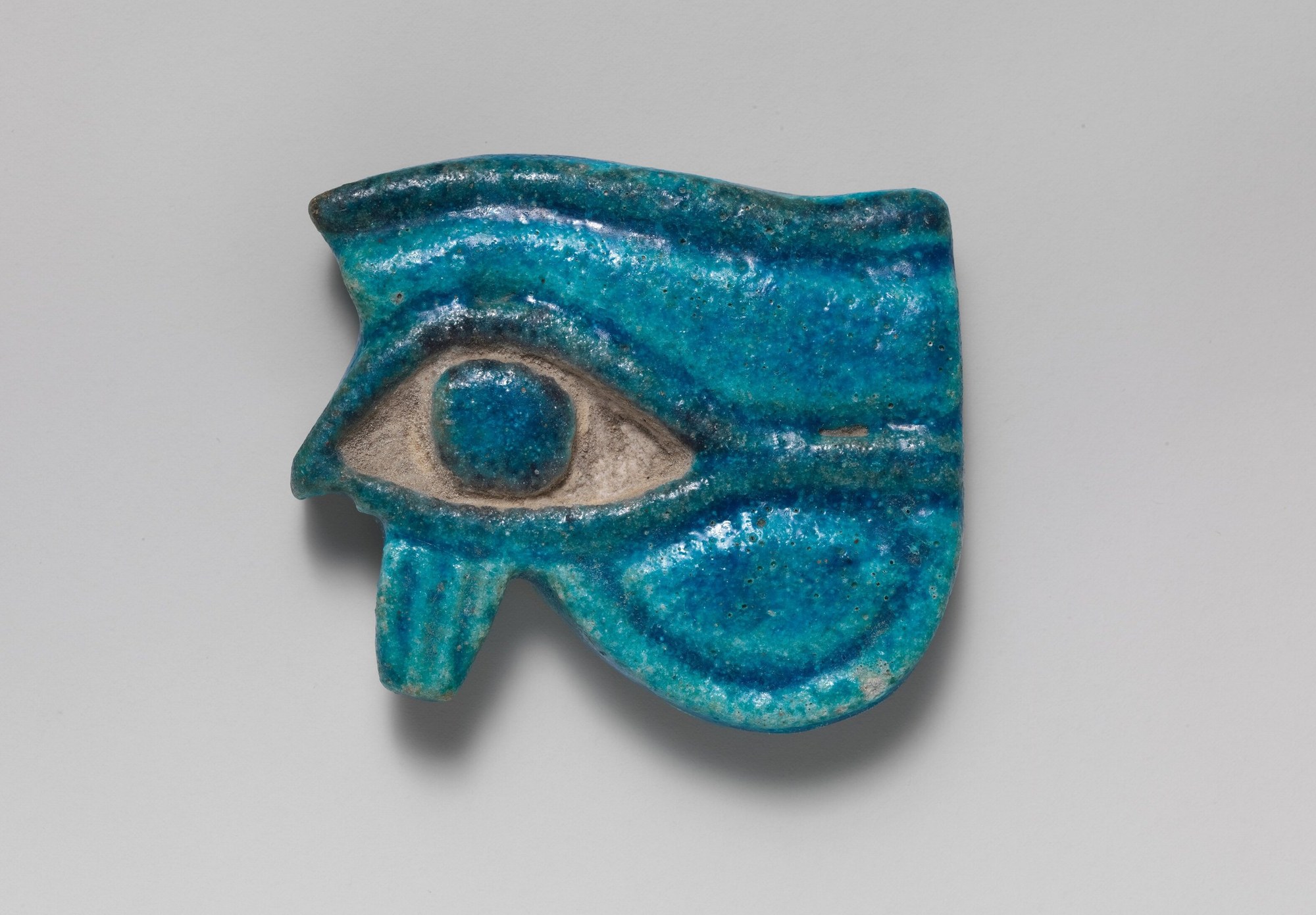
A black pig, a mighty storm, an eye put out: how the Egyptians told the wounding of Horus two ways at once, and why the healed eye became the very word for wholeness.
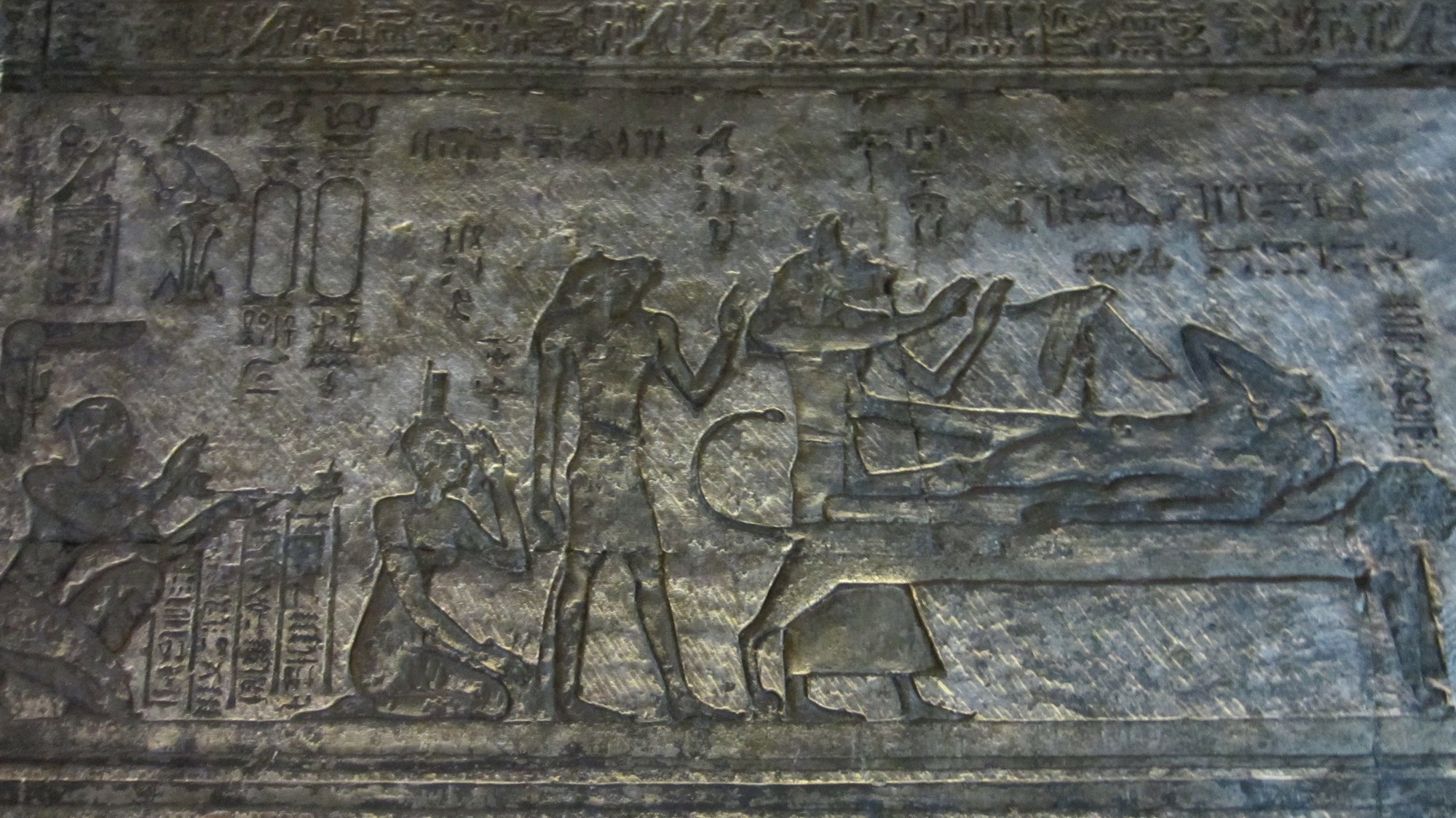
A carrion bird settles over a murdered god at Nedit, beats life back into him with her wings, and draws from the dead body a son sharp as a star: the strangest conception in Egyptian myth, and the making of an avenger.
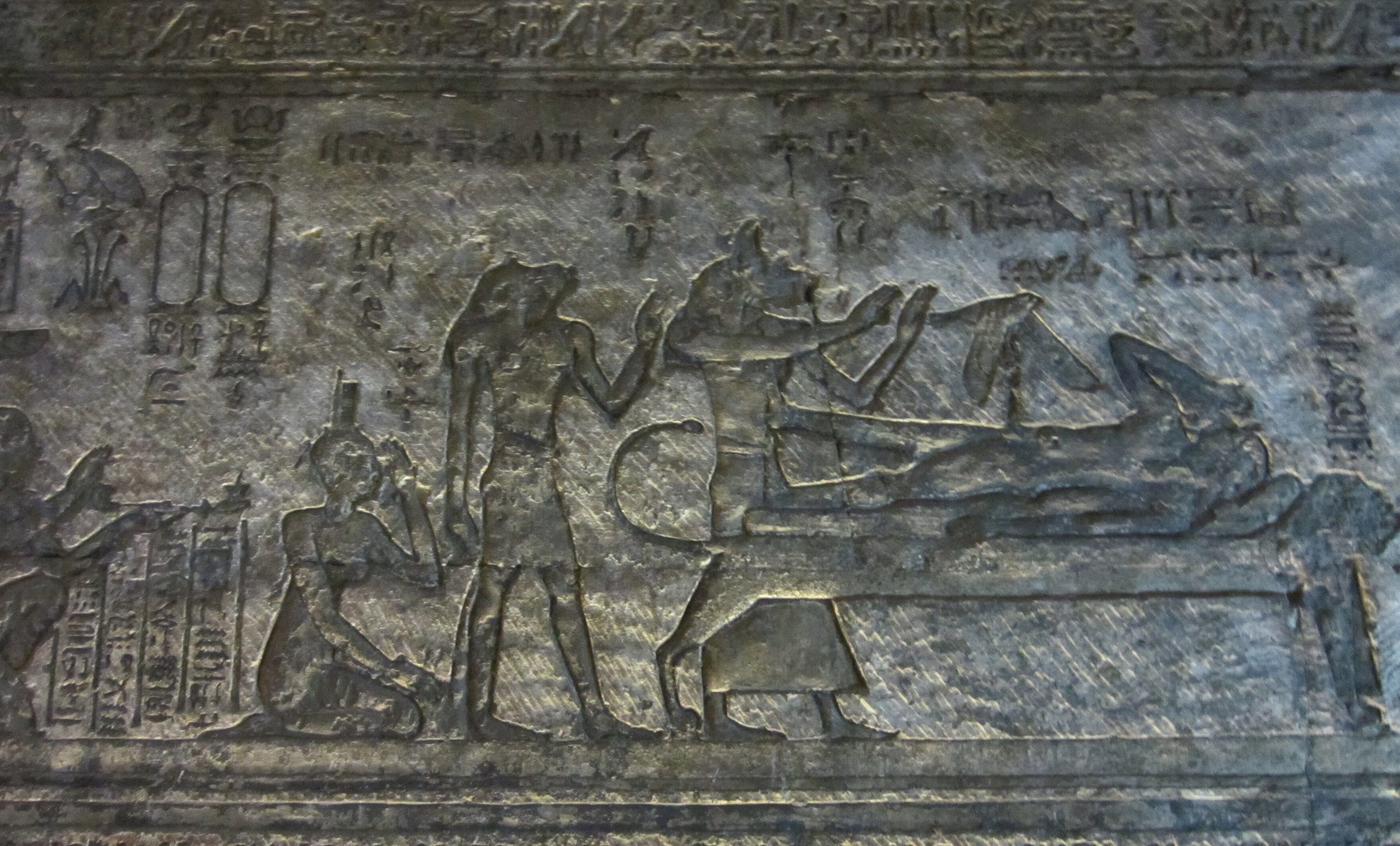
A love that began in the dark of the womb and did not end at the grave: the sister-wife who searched the whole earth for her murdered husband, and drew an heir from him after death.
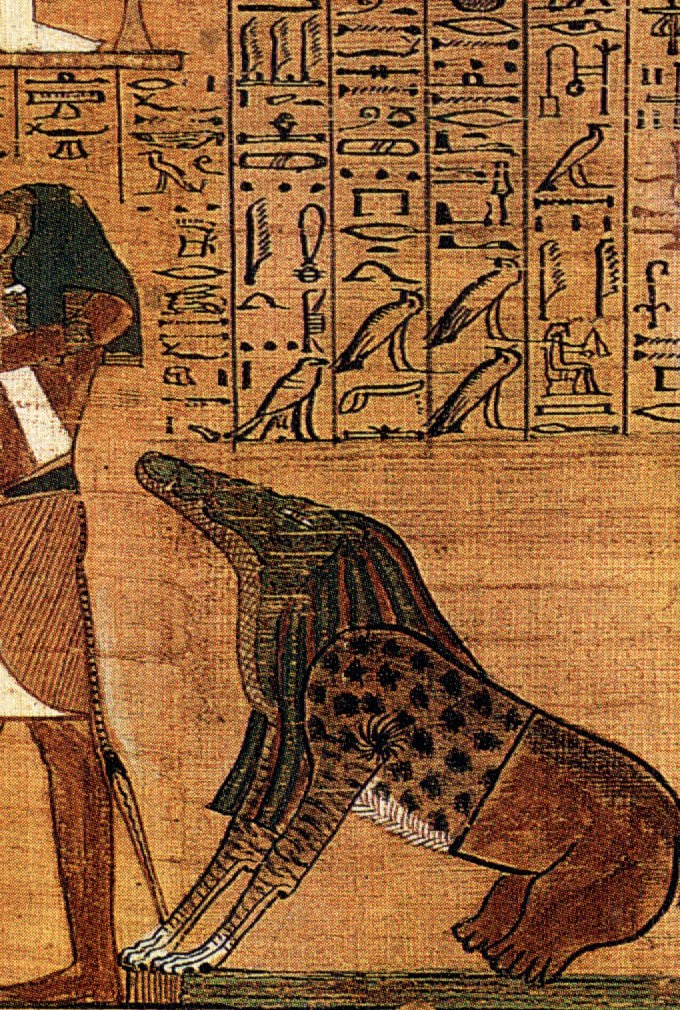
She never lifts a claw and never speaks a line: the beast who crouches by the scales in the Hall of the Two Truths does one thing only, and it is the worst thing the Egyptian afterlife could imagine.
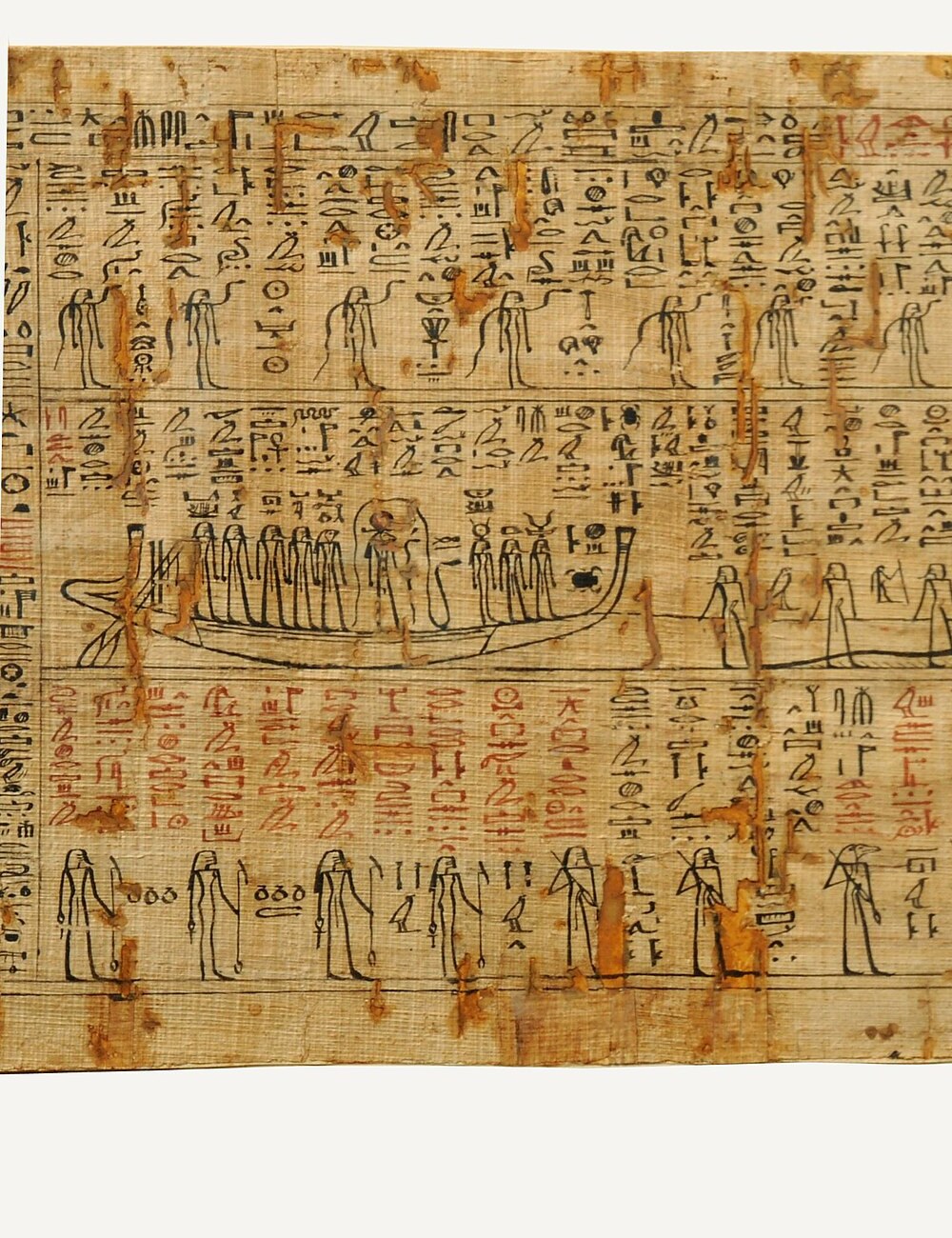
A ram-headed sun hauled by ropes through a valley of the dead, a serpent staked with knives, a rebirth out of a monster's tail: the Egyptian underworld the sun and the dead must cross before dawn.
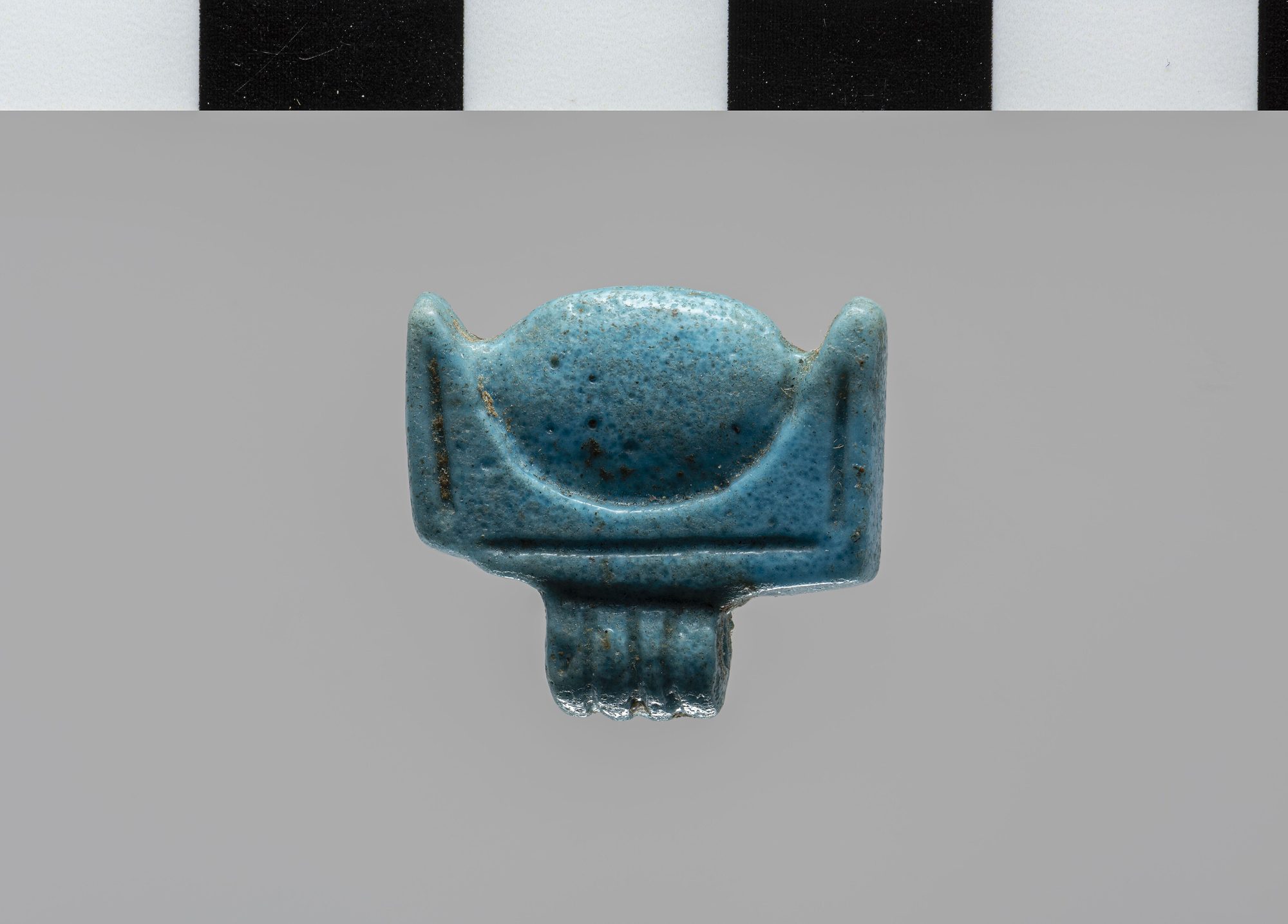
A sun-disk cradled in the notch between two hills: the Egyptian sign for the horizon was also a place, the gated seam where sky, earth and the underworld meet and the sun goes in and out of the world.
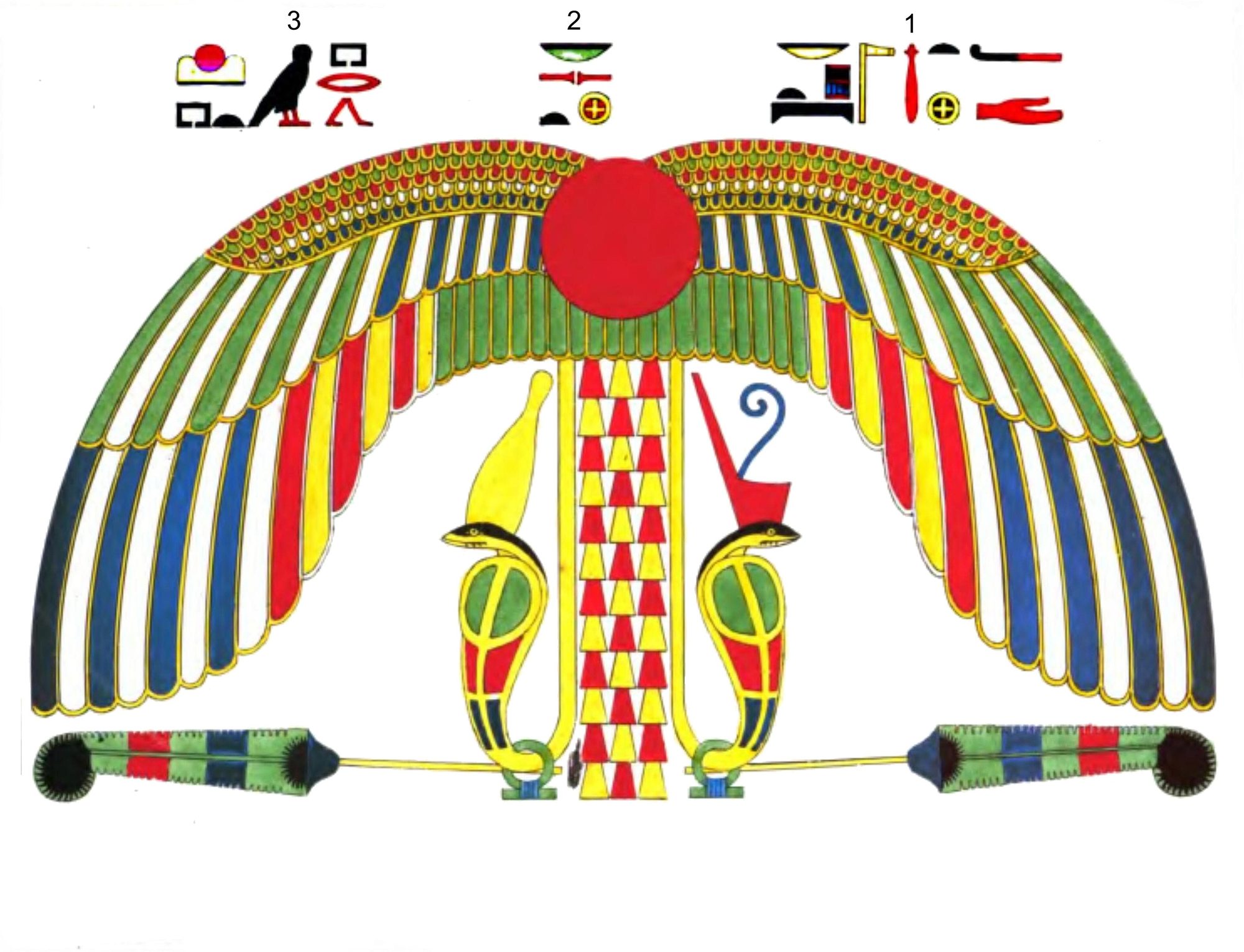
Before the world there was only dark water, and one god who made himself: how Atum rose on the first dry hill, spat the twins Shu and Tefnut from his own body, and fathered the Nine gods of Heliopolis.
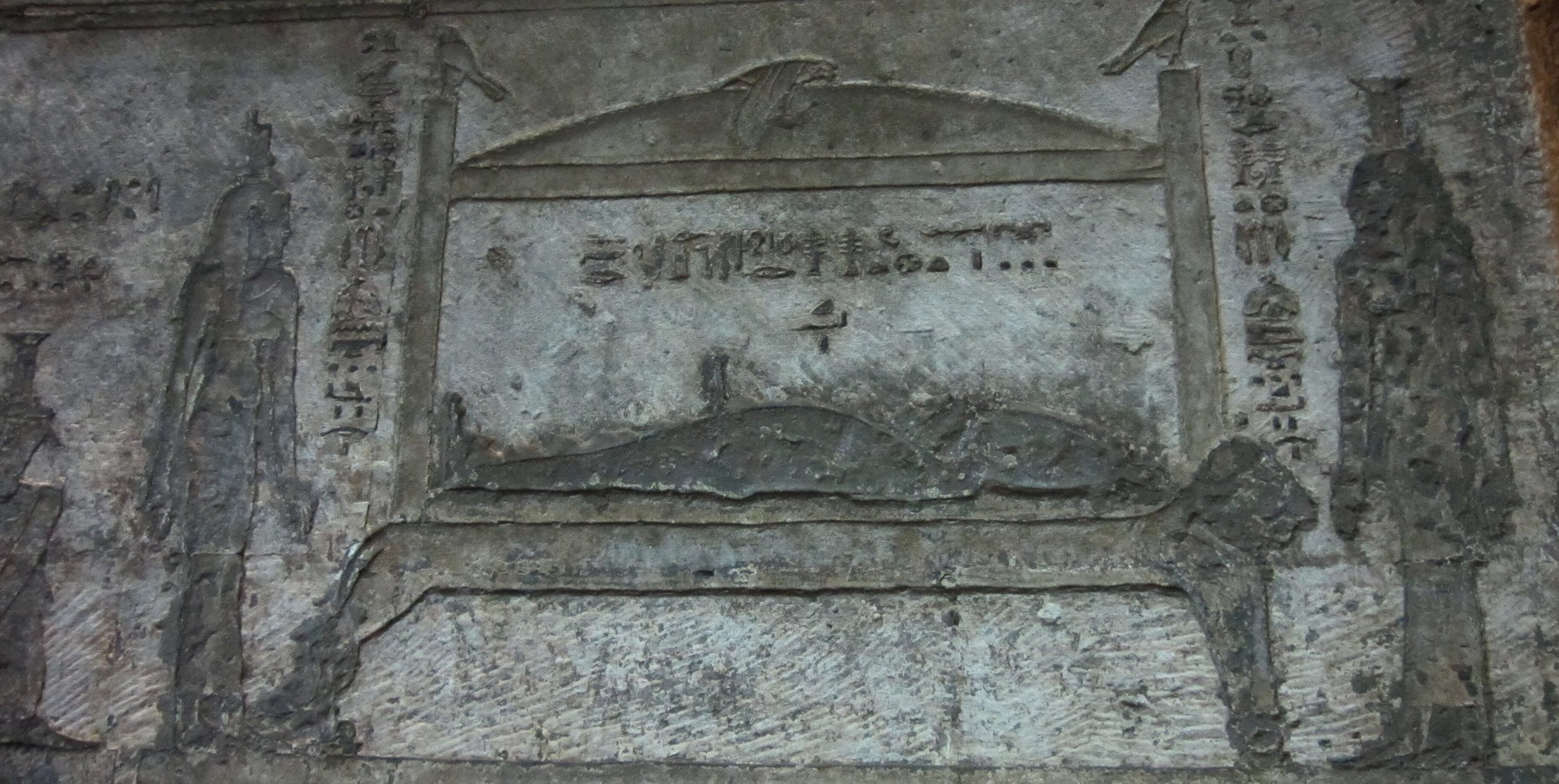
Once a year the god was carried out to die, hunted to his grave on the desert flats, and brought home again: what a royal treasurer, a Greek philosopher and a temple archive each saw of the drama, across seventeen centuries.