Norse
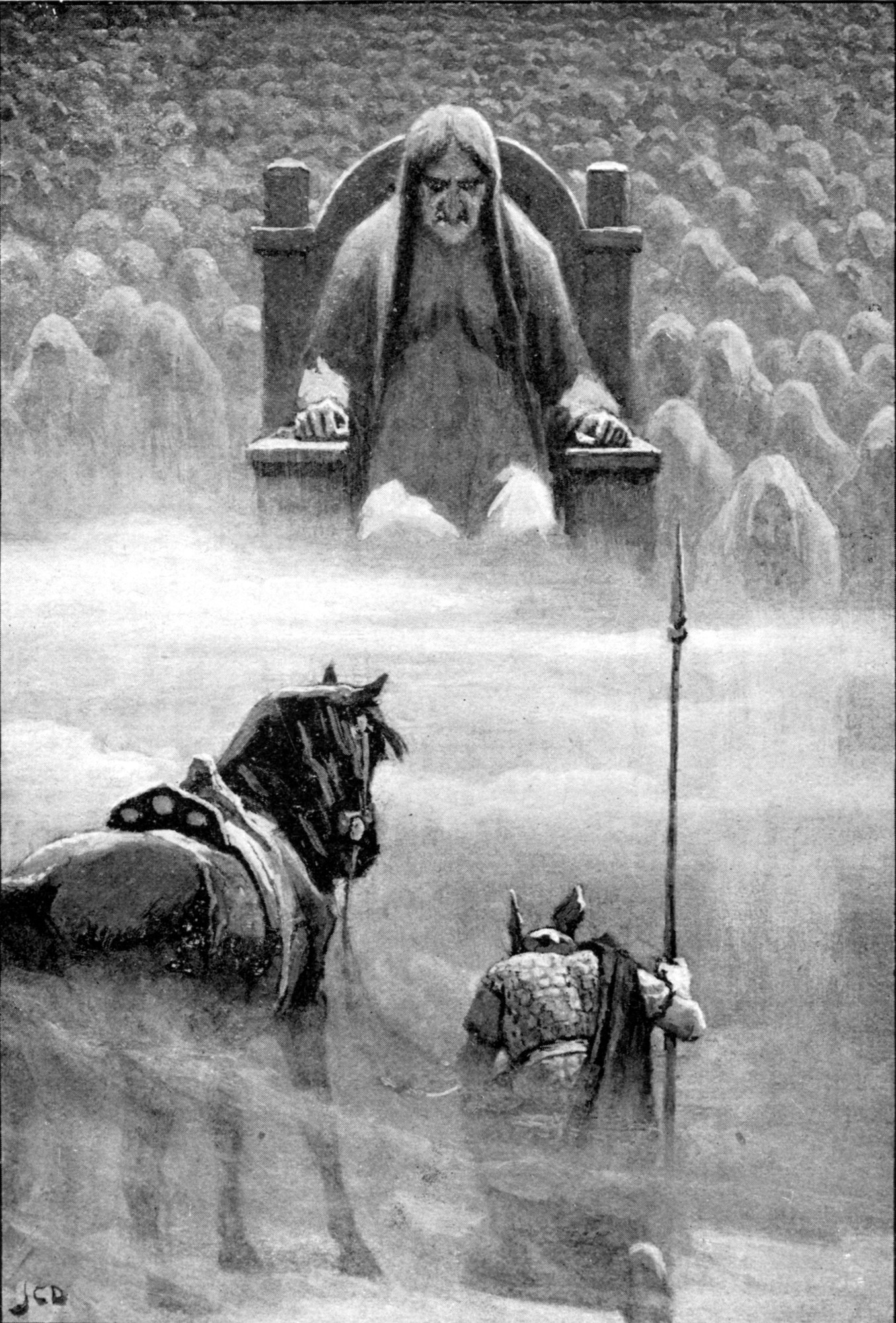
Hel, Queen of the Dead
Half her body the hue of living flesh, half of it corpse-blue, she keeps a hall where the table is called Famine and the bed is called Care: the daughter Odin cast into the mist to rule everyone who dies quietly.
The Aesir and Vanir, the giants, and the doom of Ragnarök — told from the Poetic Edda, Snorri's Prose Edda, and the sagas, with every claim kept honest to its source.
Half her body the hue of living flesh, half of it corpse-blue, she keeps a hall where the table is called Famine and the bed is called Care: the daughter Odin cast into the mist to rule everyone who dies quietly.
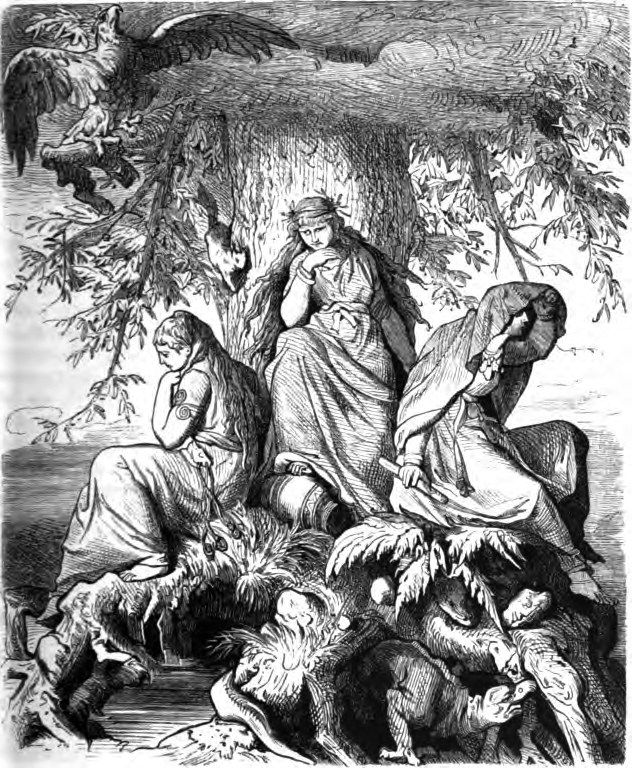
Three maidens mighty in wisdom come up from a dwelling beneath the world-ash, cut marks into wood, and lay down the lives of the sons of men.
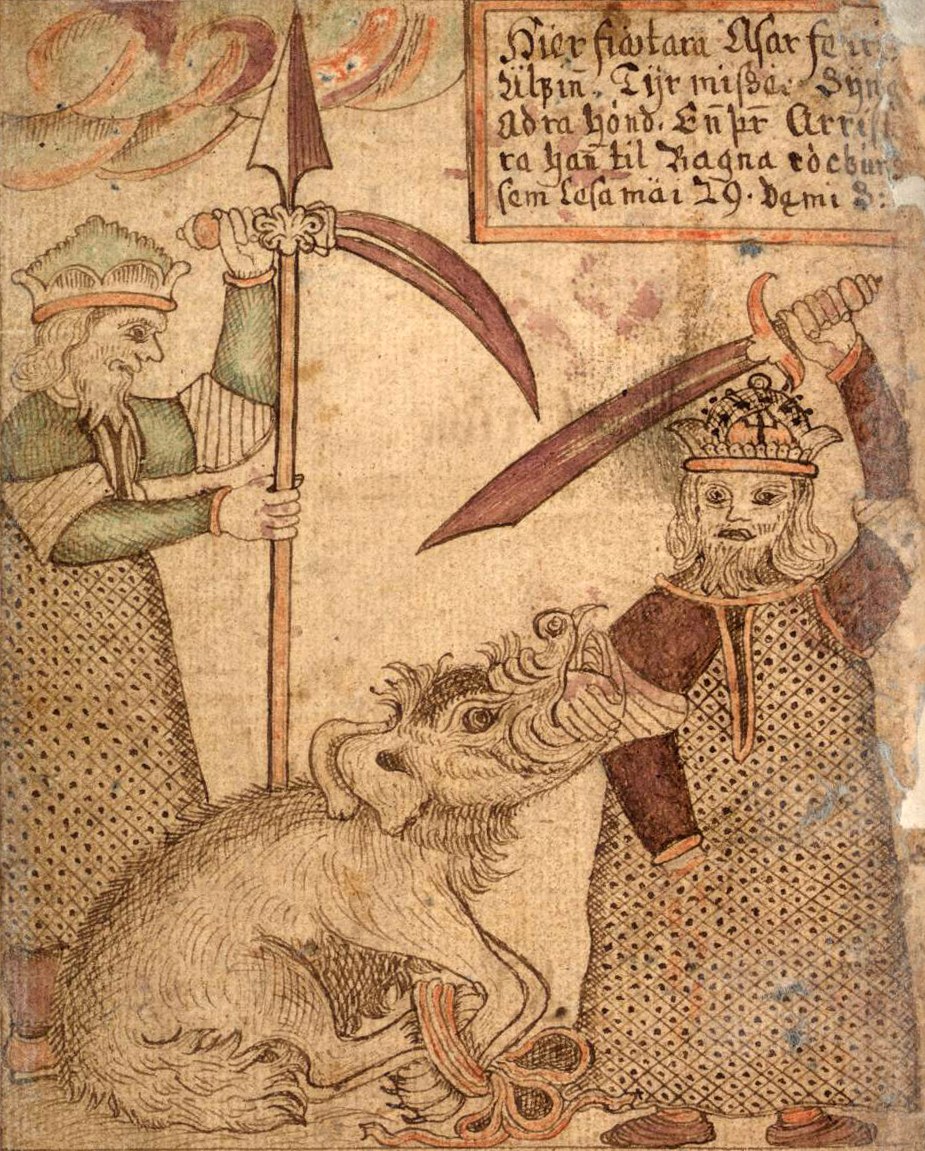
The boldest of the Aesir laid his sword-hand in a wolf's jaws to bind a doom he could not defeat, and lost it: the god who kept a pledge he knew was false.
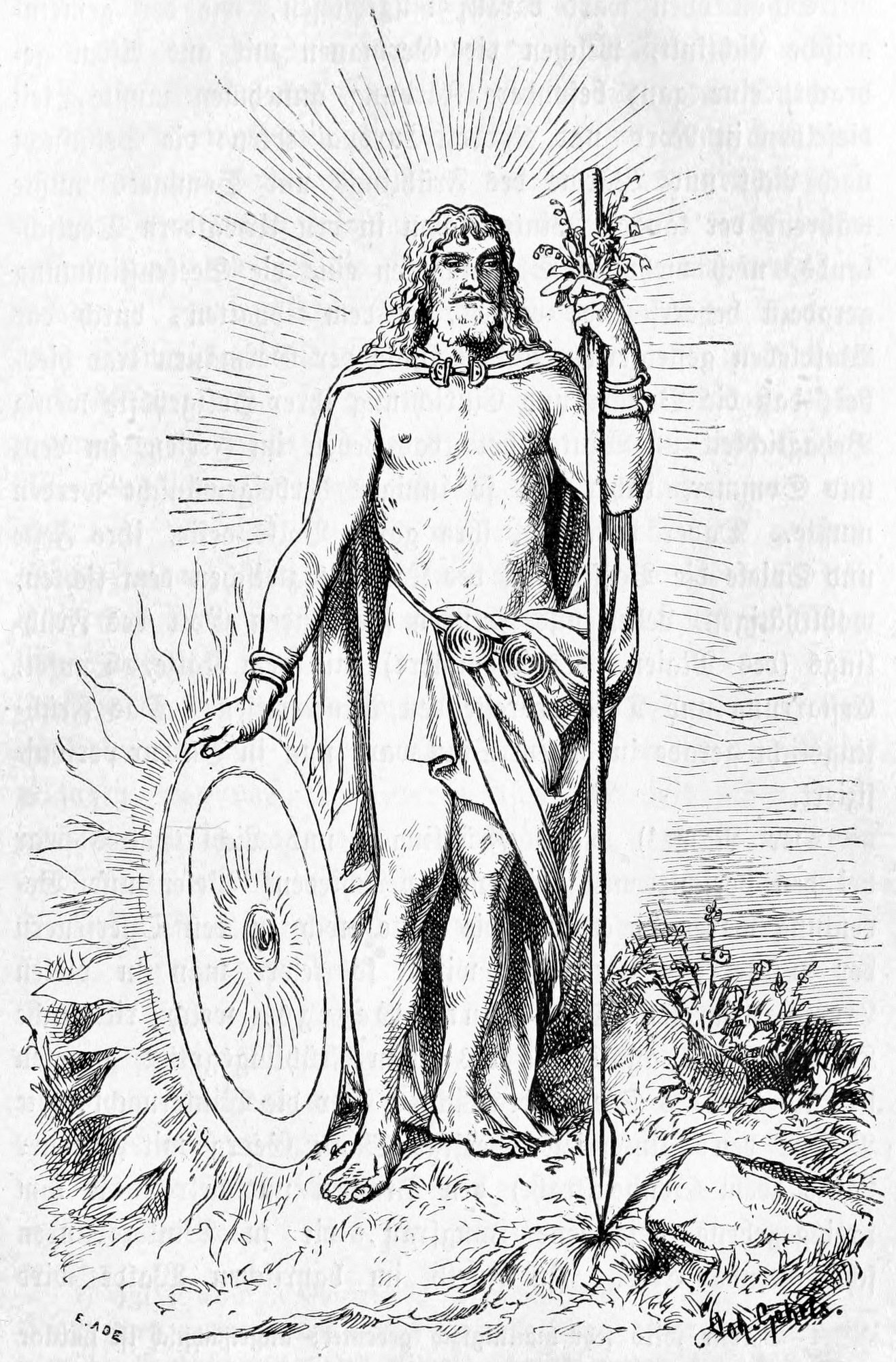
The best of the gods, so fair that light streamed from him, at home in a hall nothing unclean could enter: the portrait of a god the myth was built to take away.
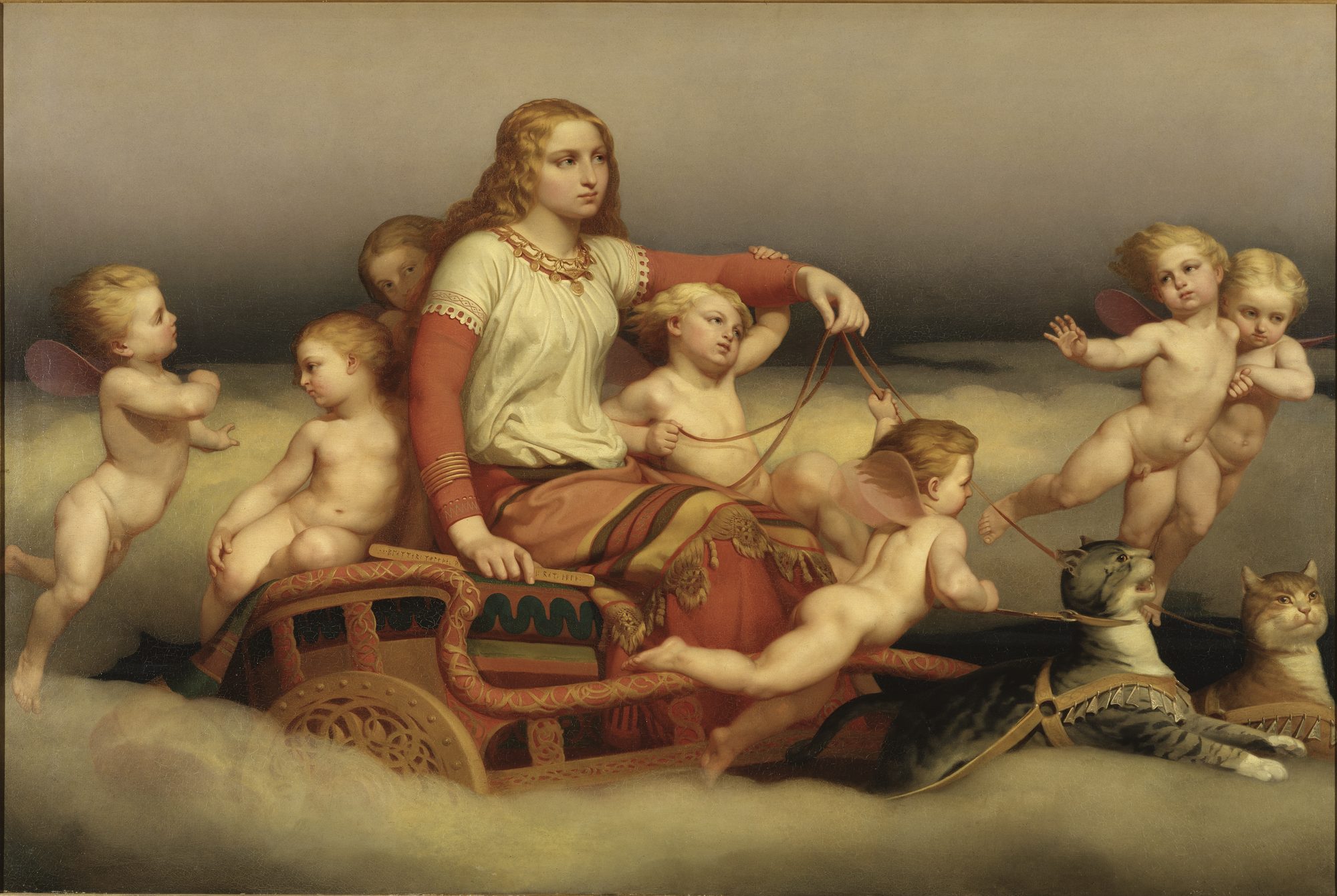
She rides to the battlefield in a chariot drawn by cats and carries home half the slain, weeps red gold for a husband who wandered off, and is the goddess men pray to when they are in love: the strangest and most renowned of the Norse goddesses.
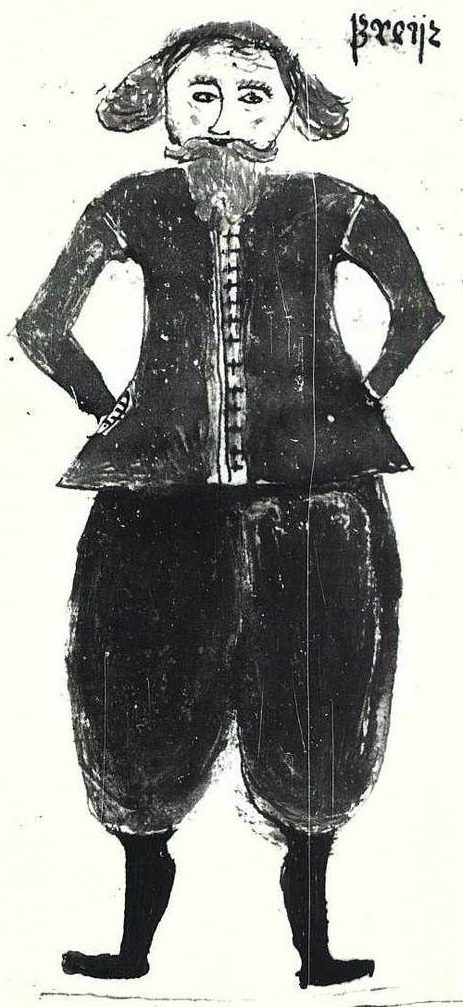
He climbed into a seat that was not his, looked out over all the worlds, and fell so hard for a giant's daughter that he gave away the one sword that could have saved him: the Vanir god of the fruitful season, lord of the elves, and the most renowned of the gods you called on for peace.
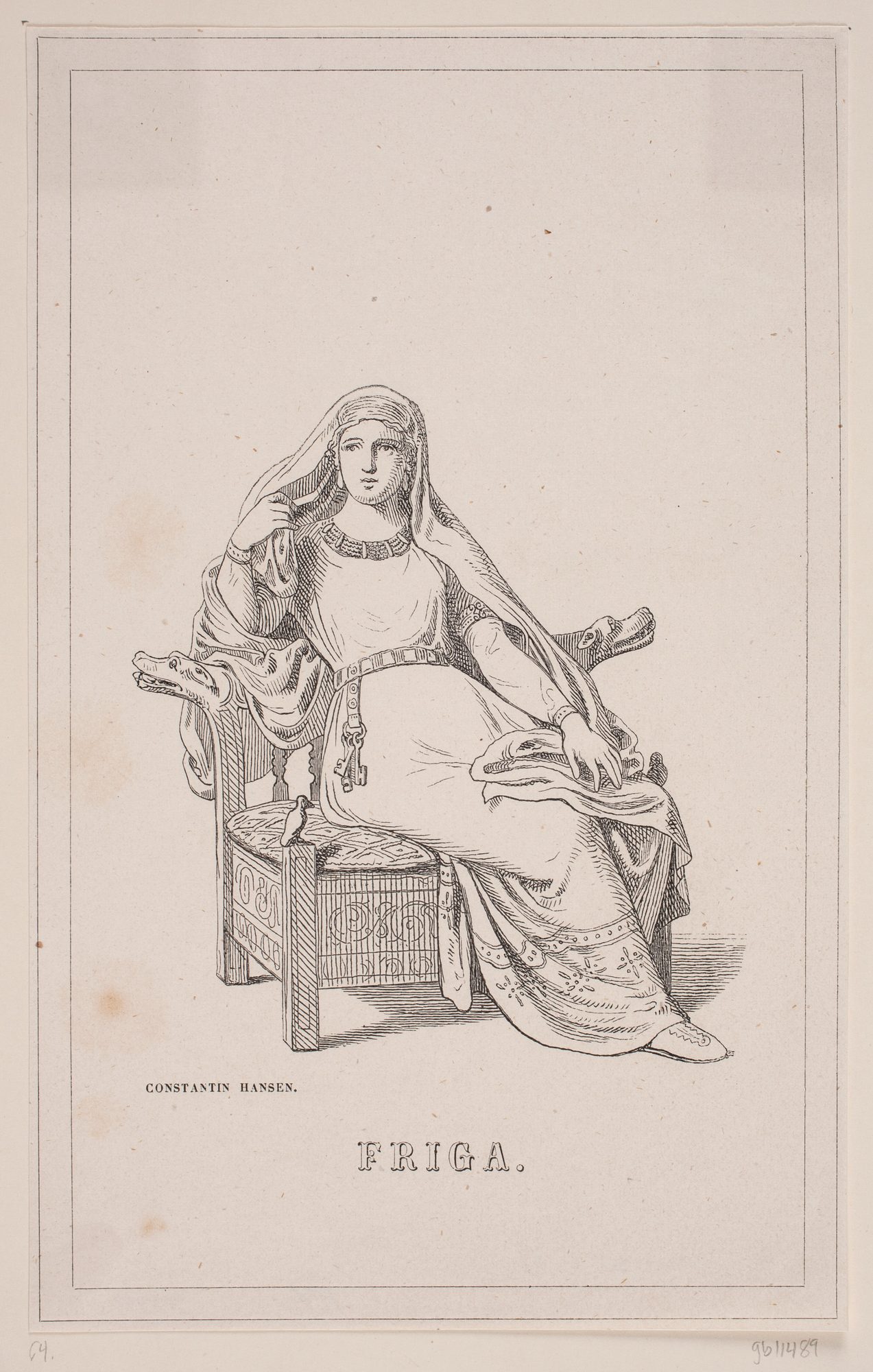
She knows the fate of every living thing and never speaks it, and when the one doom she tried to bar comes for her son, all she can do is weep: the foremost of the goddesses, undone by a single overlooked shrub.
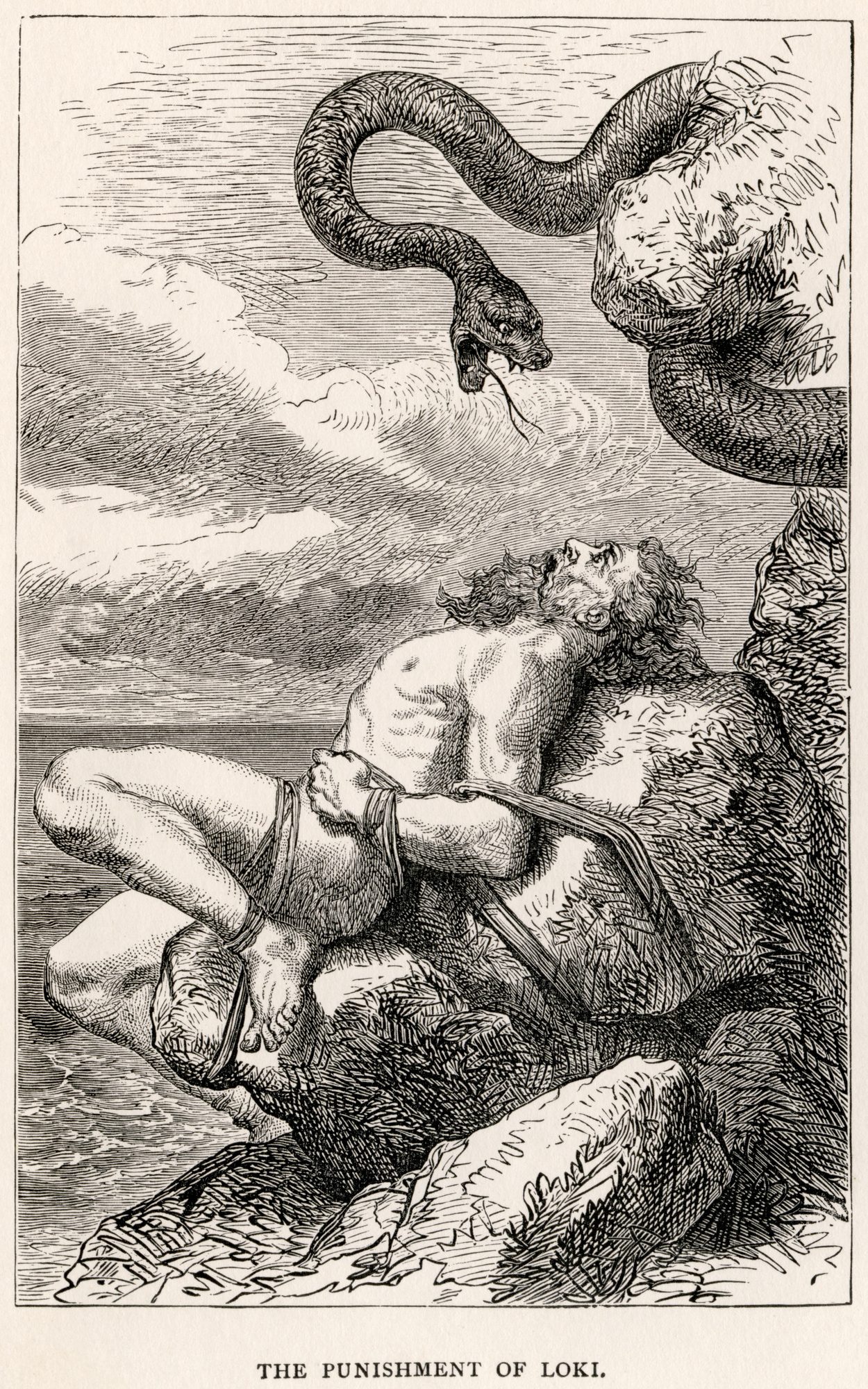
The handsome, fickle mischief-monger of the Aesir who drags the gods into ruin and then, more often than not, is the only one clever enough to haul them back out again.
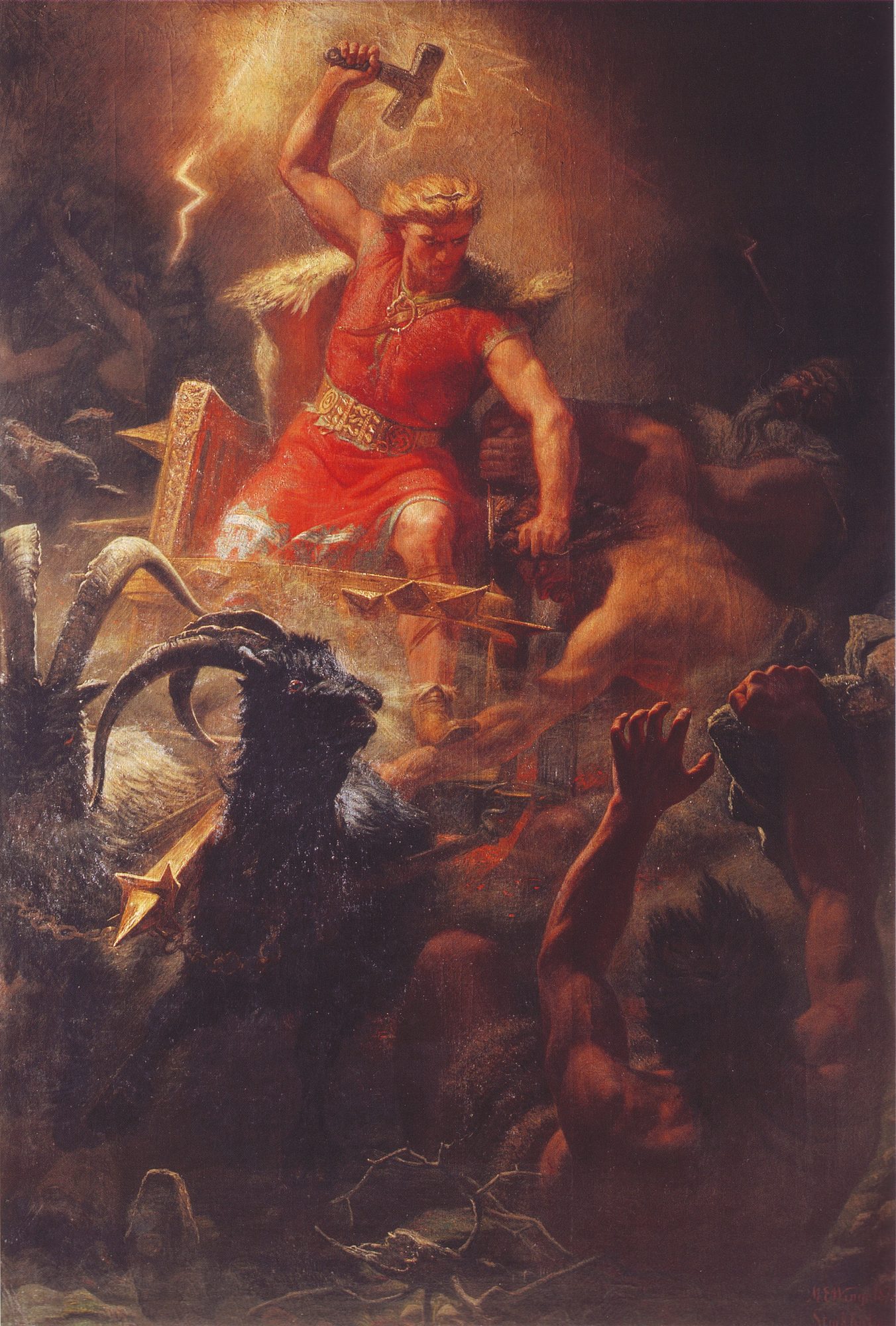
The strongest of the gods wakes to find his hammer gone, and the only way to get it back is to put on a bridal veil: a portrait of the Aesir's giant-killer at his most terrifying and his most absurd.
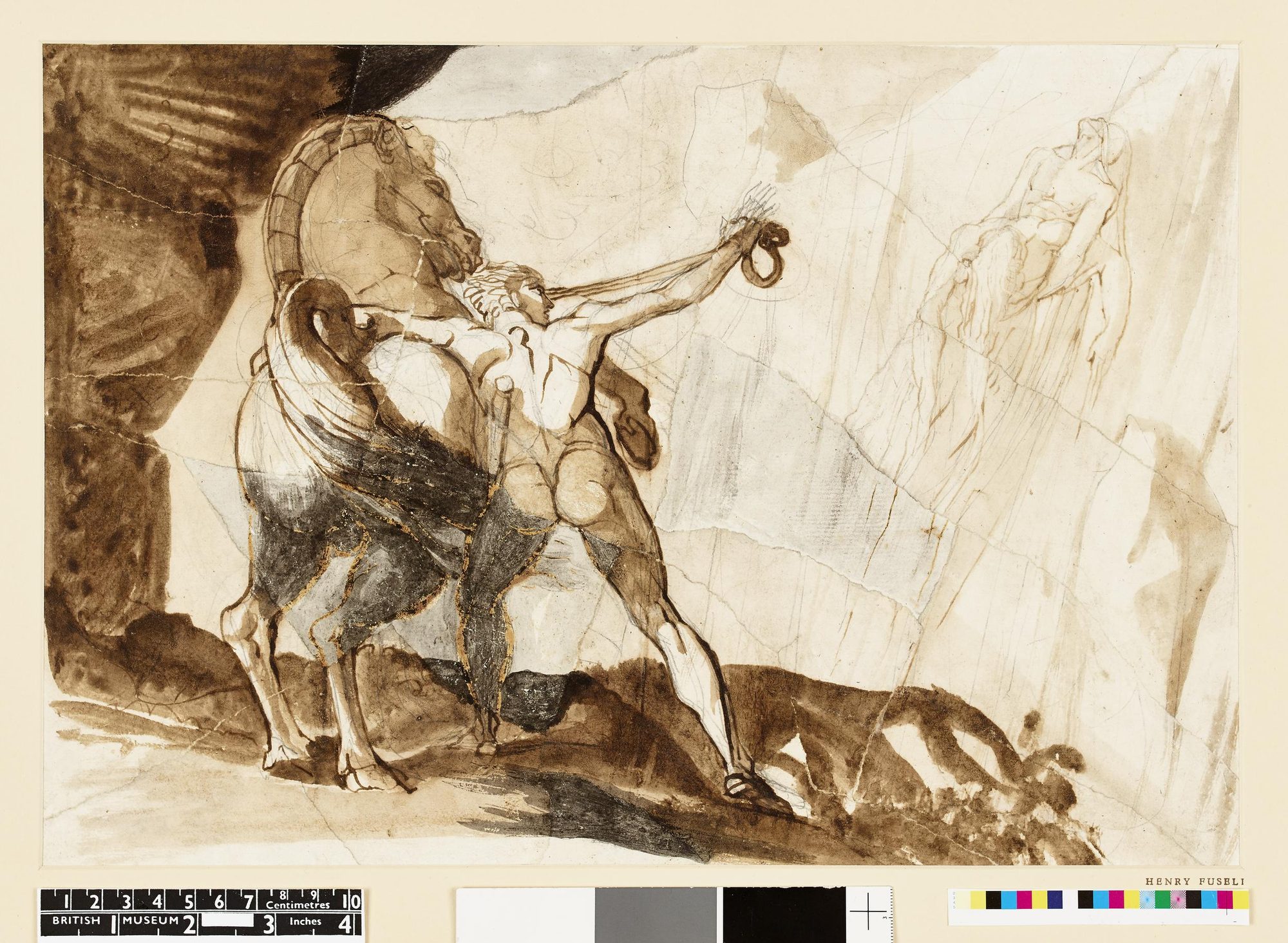
He hanged himself on the world-tree and gave an eye to a well, and in return he took the runes and the deepest draught of wisdom: the god who paid for knowledge in his own flesh.
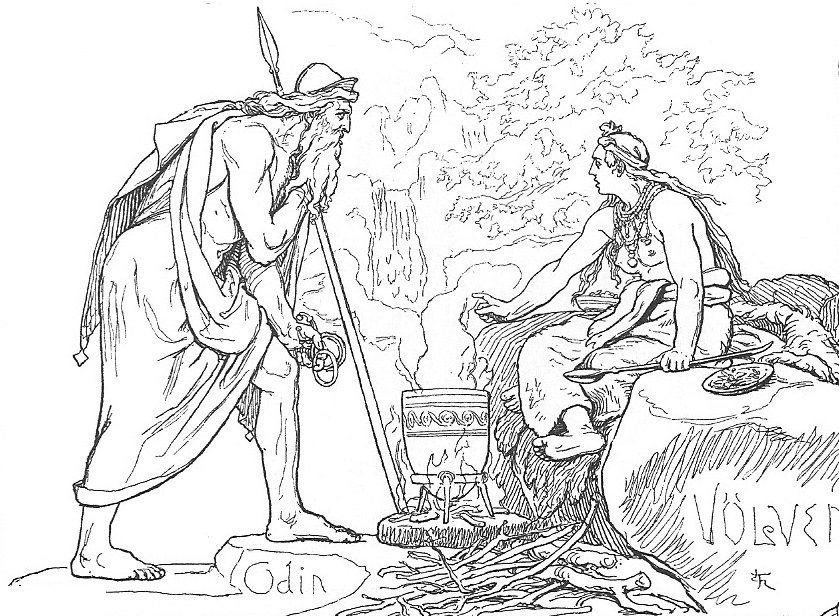
Odin raises a dead wise-woman to make her speak, and she gives him the whole arc of the world: its making, his own hidden secrets, and the fire that ends it all.
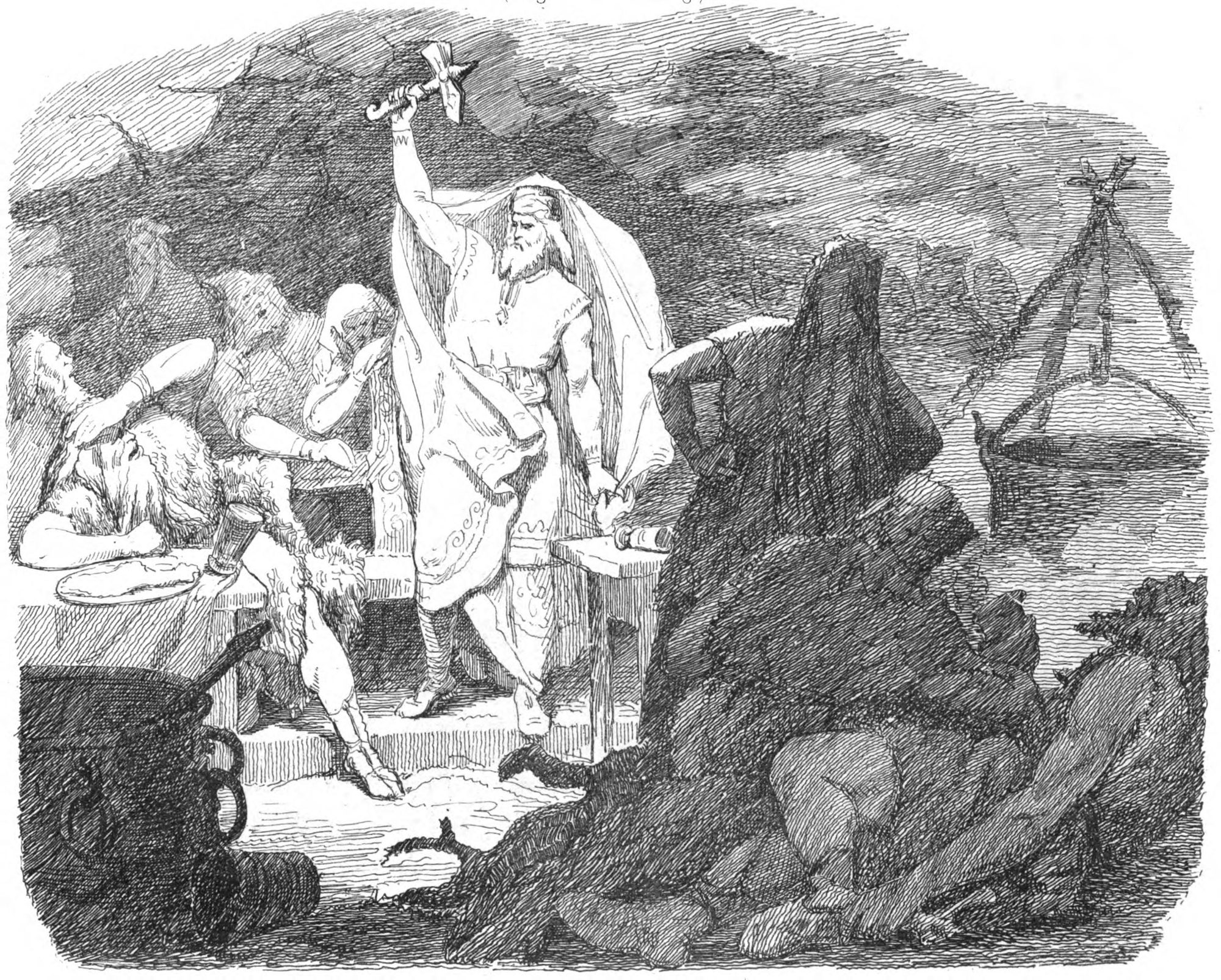
A giant buries the thunder-god's hammer eight leagues down and names his ransom: the goddess Freyja for his bride. So the strongest of the gods is bound into a bridal veil and sent to a wedding he means to end with a killing.
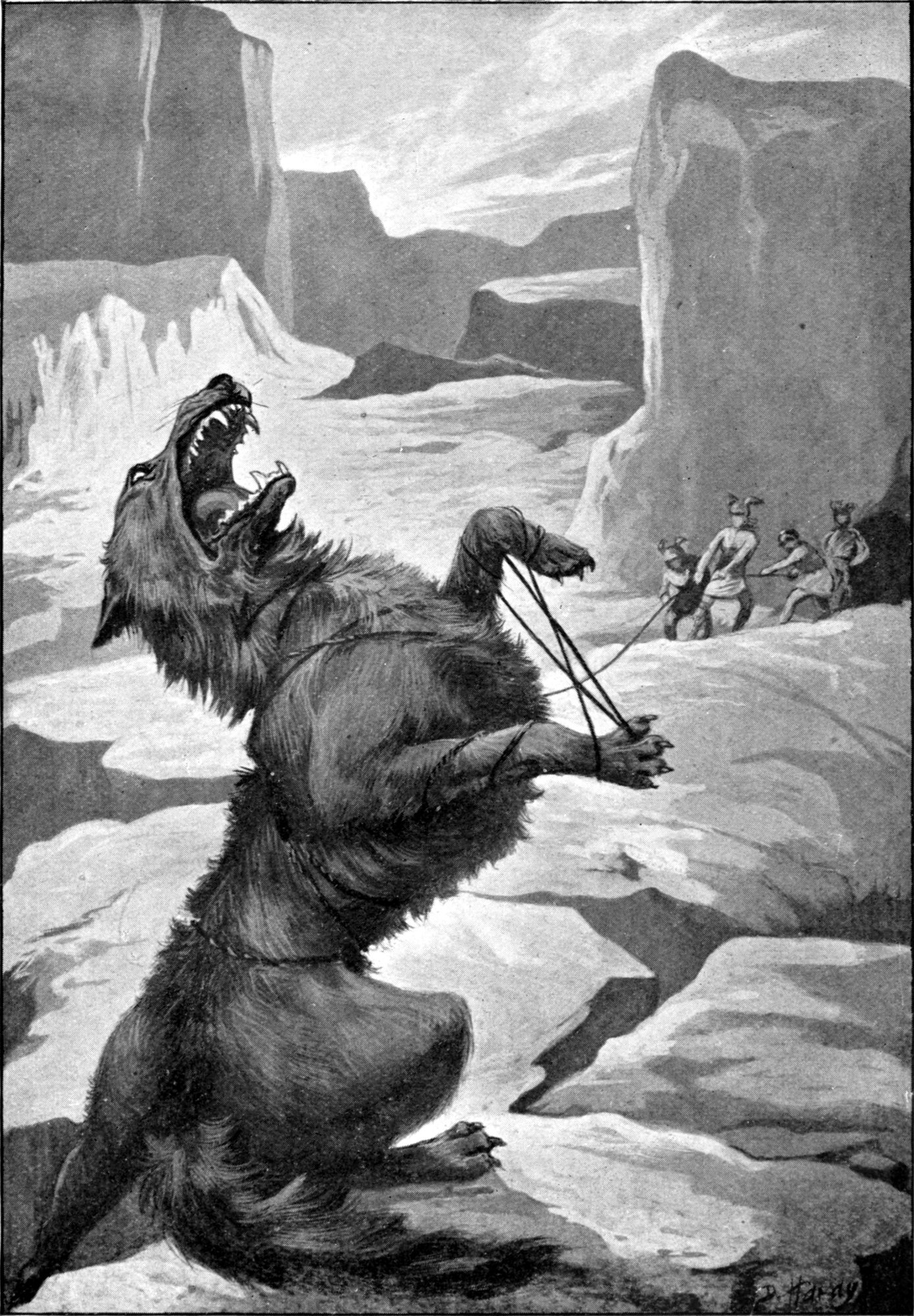
A wolf the gods reared at home, two iron chains he snapped like kindling, and a ribbon of six impossible things: how the Aesir caught the beast fated to kill Odin, and what it cost the one god brave enough to feed him.
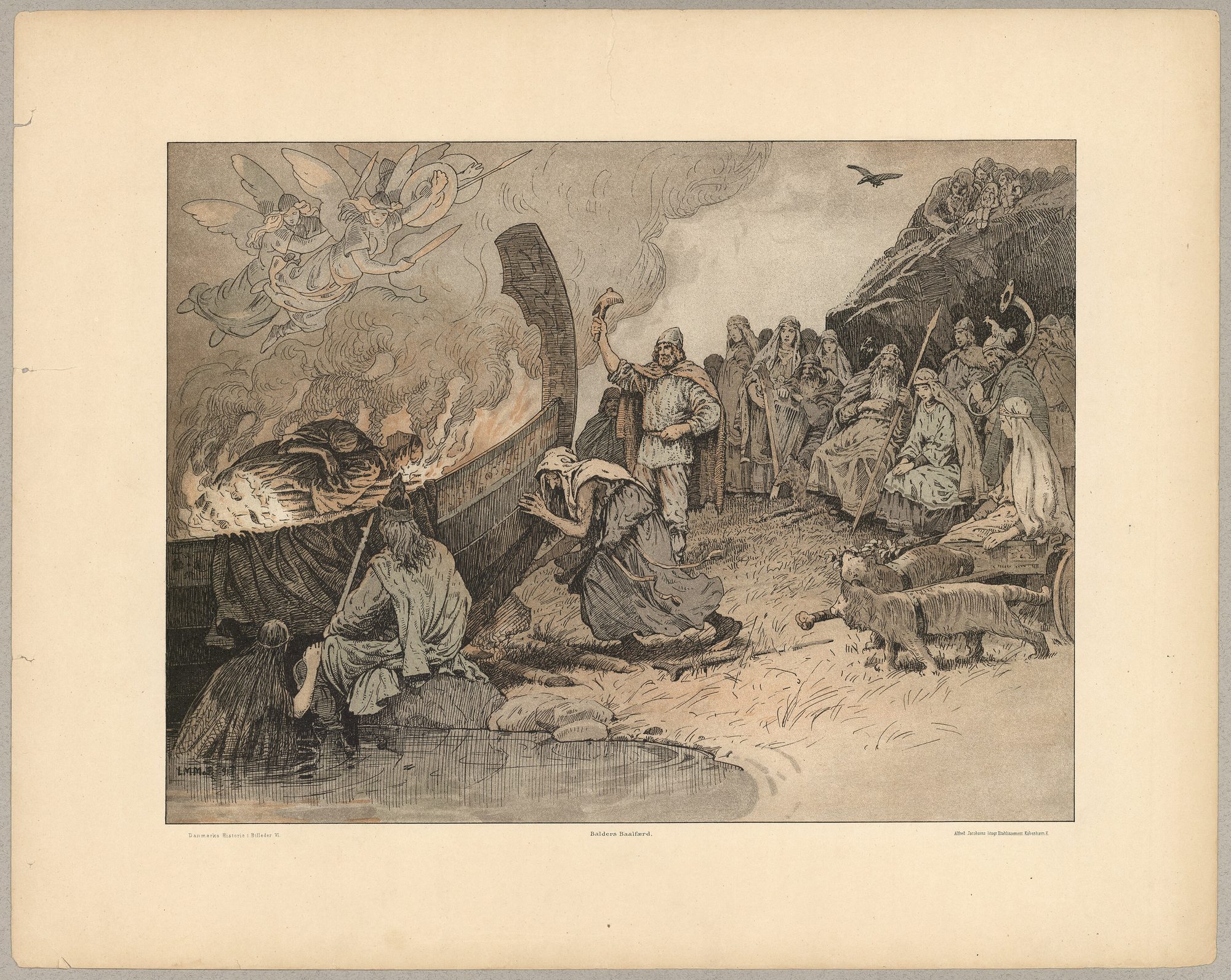
A god the whole world had sworn never to harm, a sprig of mistletoe no one thought to ask, and a blind brother's hand: how the north's best-loved god was murdered into Hel and the doom of the gods began.
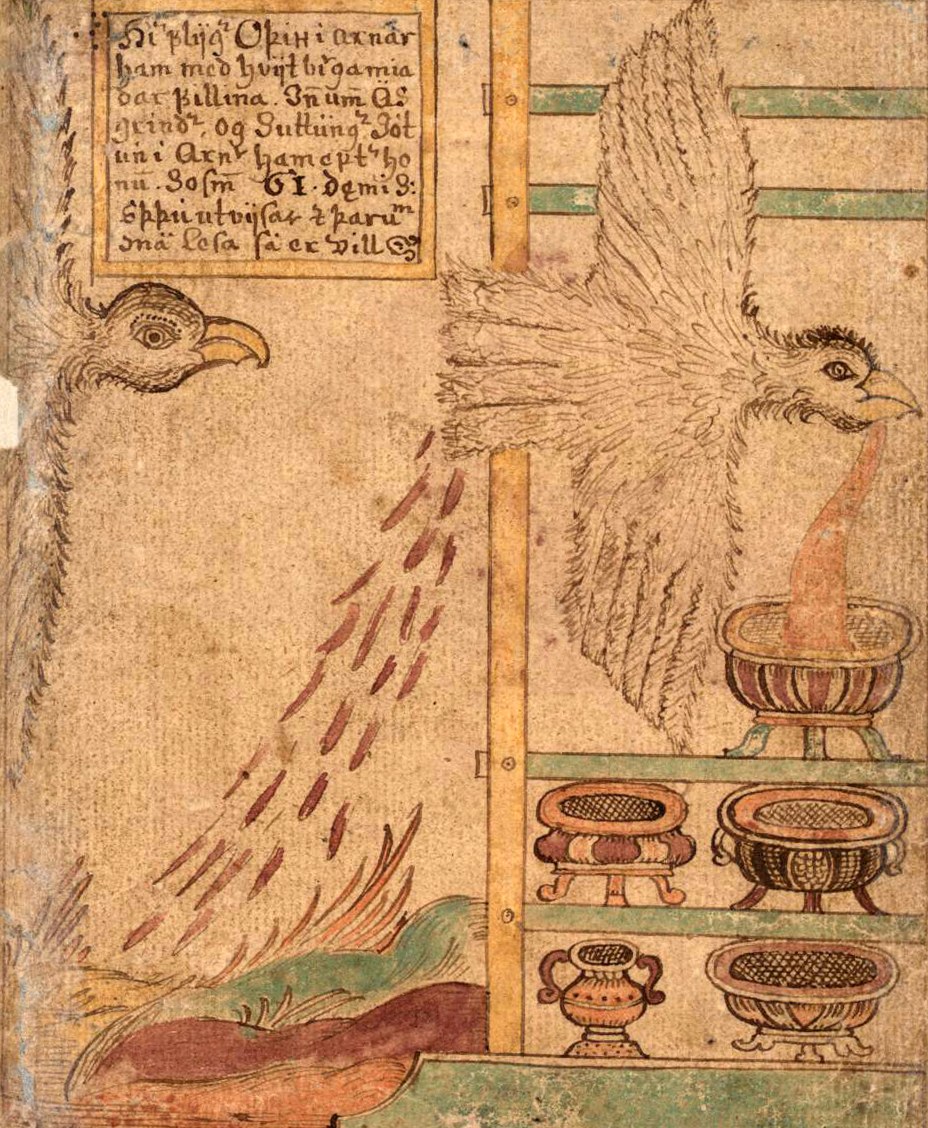
How poetry got into the world: a murdered sage, a mead brewed from his blood, and the god who slept three nights with a giant's daughter to steal it, then left her to grief.
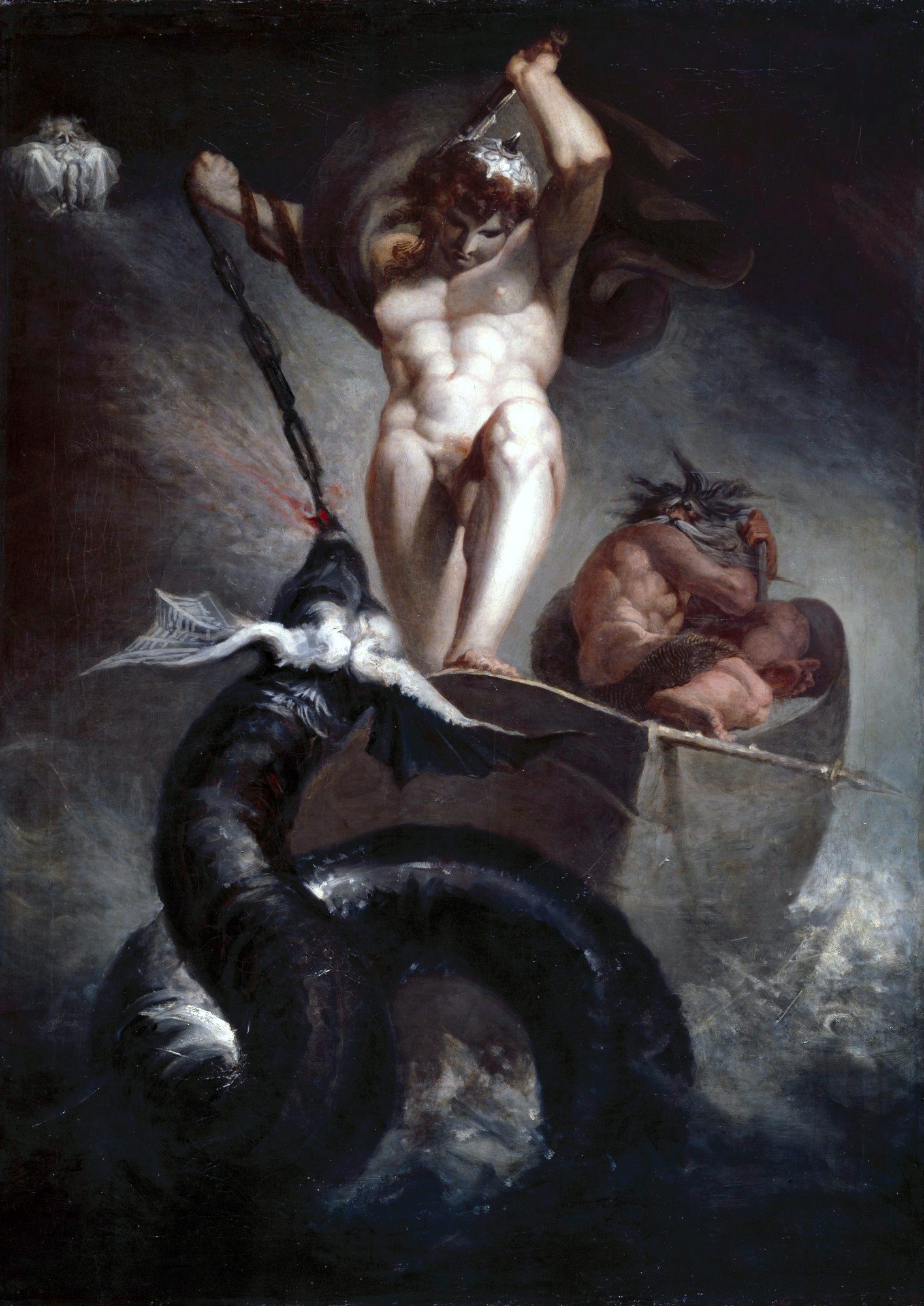
Odin flung a newborn snake into the sea to be rid of a prophecy, and it grew until it ringed the whole earth and bit its own tail: the boundary of the world, and the one foe fated to kill Thor even as Thor kills it.
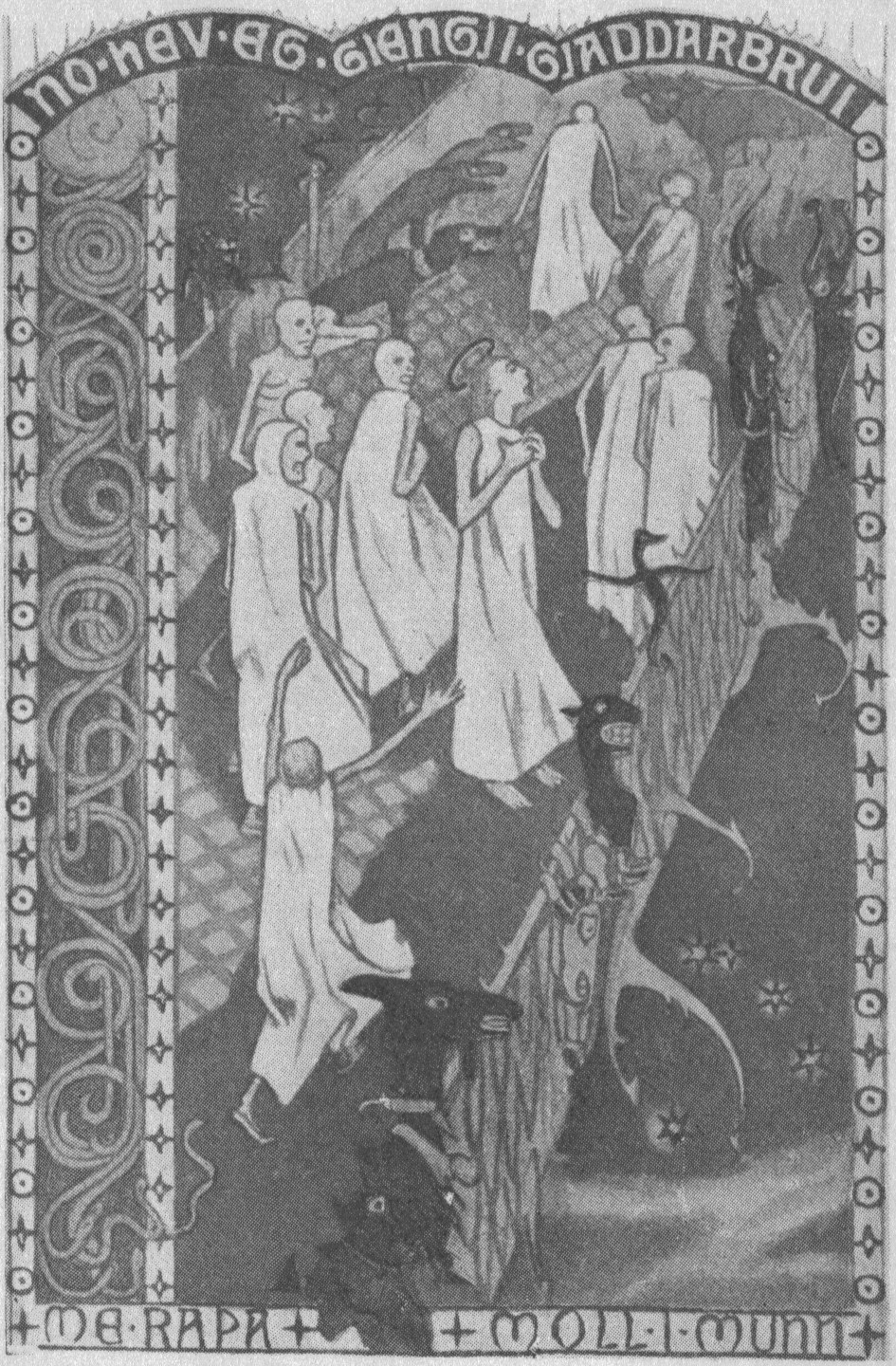
Downward and northward, under a root of the world-ash, lies the cold country that takes everyone who dies quietly: nine lightless valleys, a river that clangs, a gold-roofed bridge and a gate so high a god must leap it.
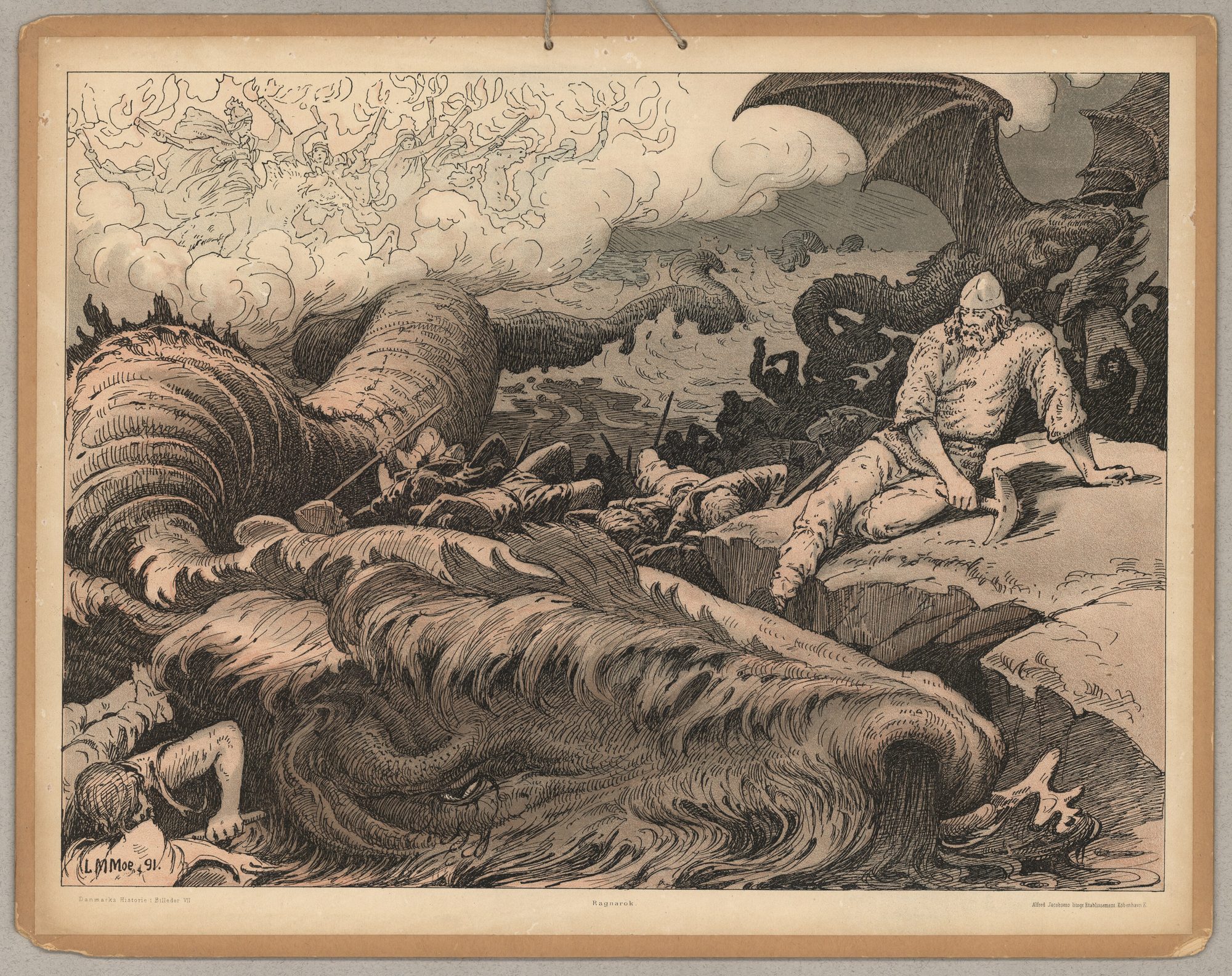
Not a twilight but a doom: the wolf runs free, the serpent floods the land, a ship of dead men's nails breaks loose, and the gods ride knowingly to a battle the prophecy says they cannot win, on a field a hundred miles square.
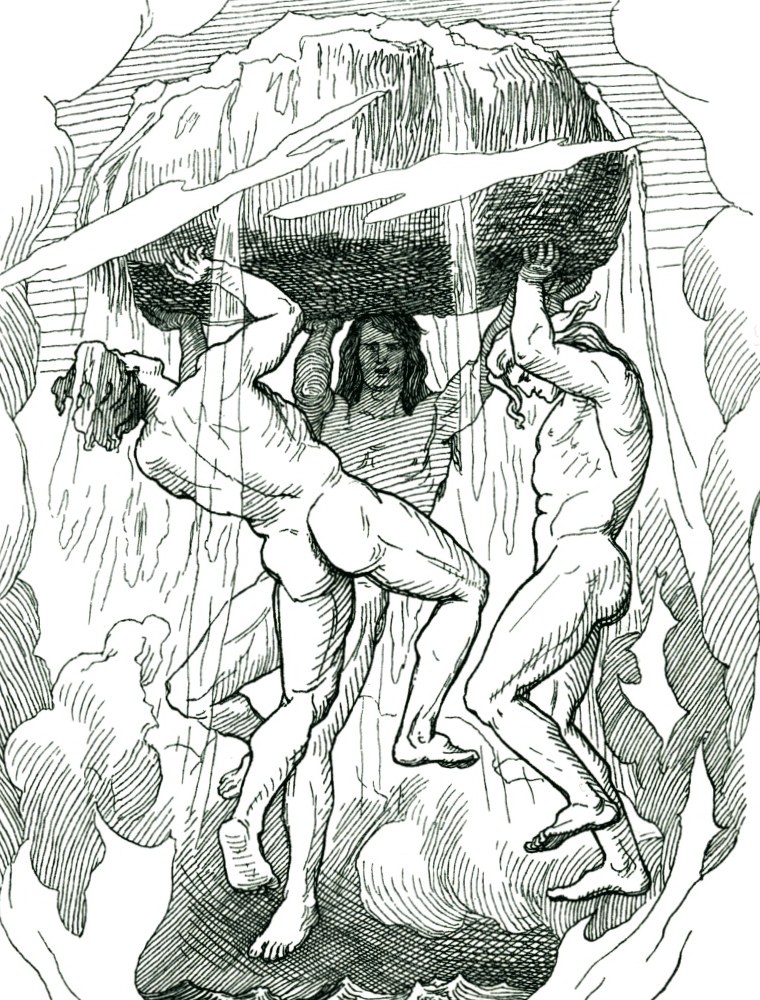
Before earth or heaven there was a yawning gap, and on either side of it fire and ice: how the first giant quickened between them, and how the world was built from his murdered body.
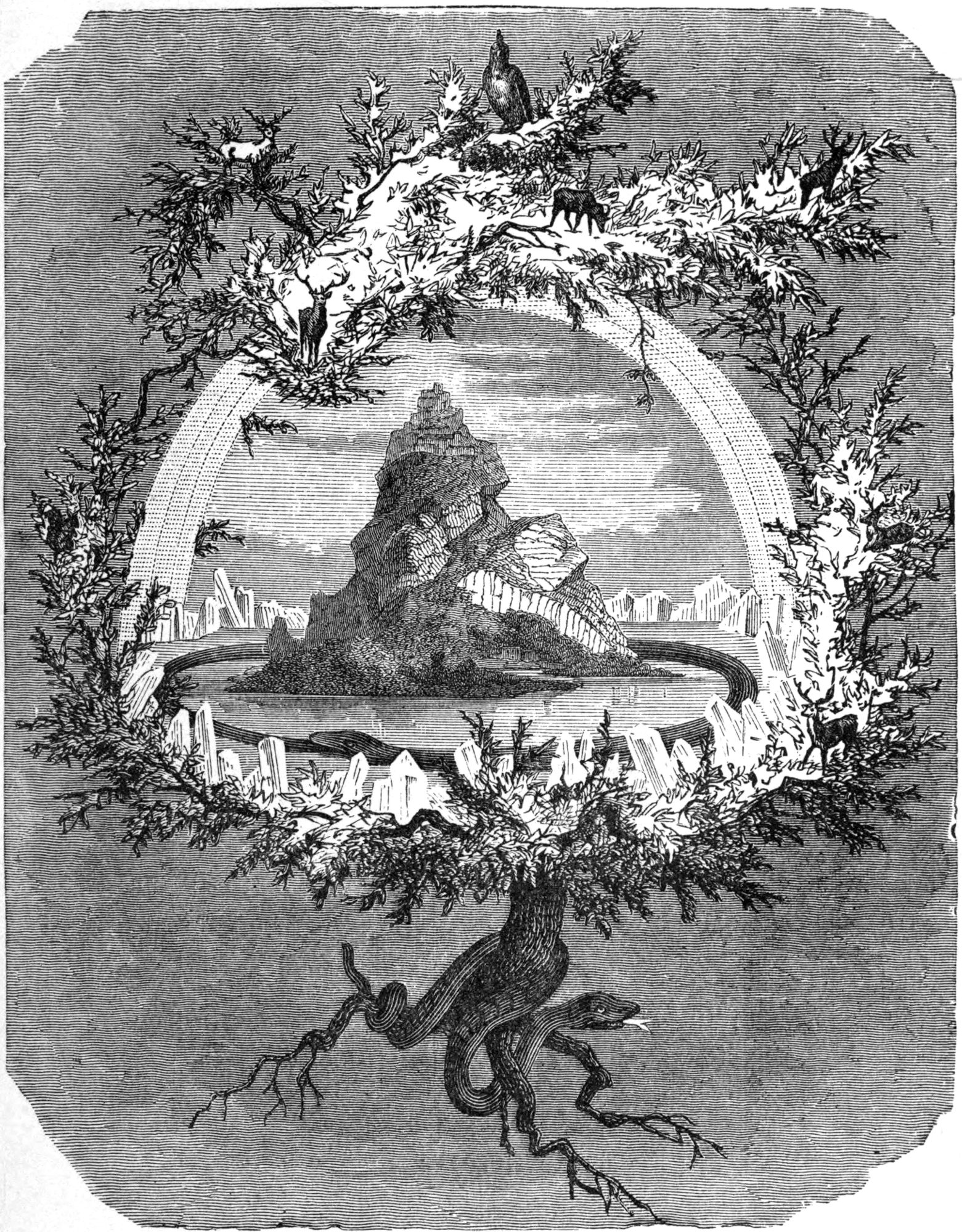
The great ash that binds the worlds is not a serene axis but a creature in perpetual pain: gnawed above, rotting within, torn from below, and still standing green over the well where the Norns pour their clay.