
Chinese
Houyi Shoots the Ten Suns
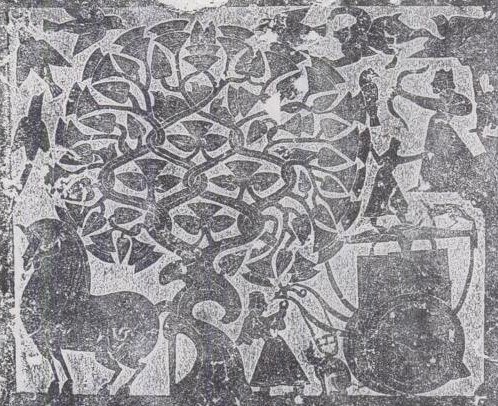
Ten suns climbed into the sky at once and the world began to cook: the crops charred, the trees died, and the people had nothing left to eat. So the sage-emperor Yao sent for an archer.
Myths explaining natural cycles, agriculture, the year.
Ten suns climbed into the sky at once and the world began to cook: the crops charred, the trees died, and the people had nothing left to eat. So the sage-emperor Yao sent for an archer.
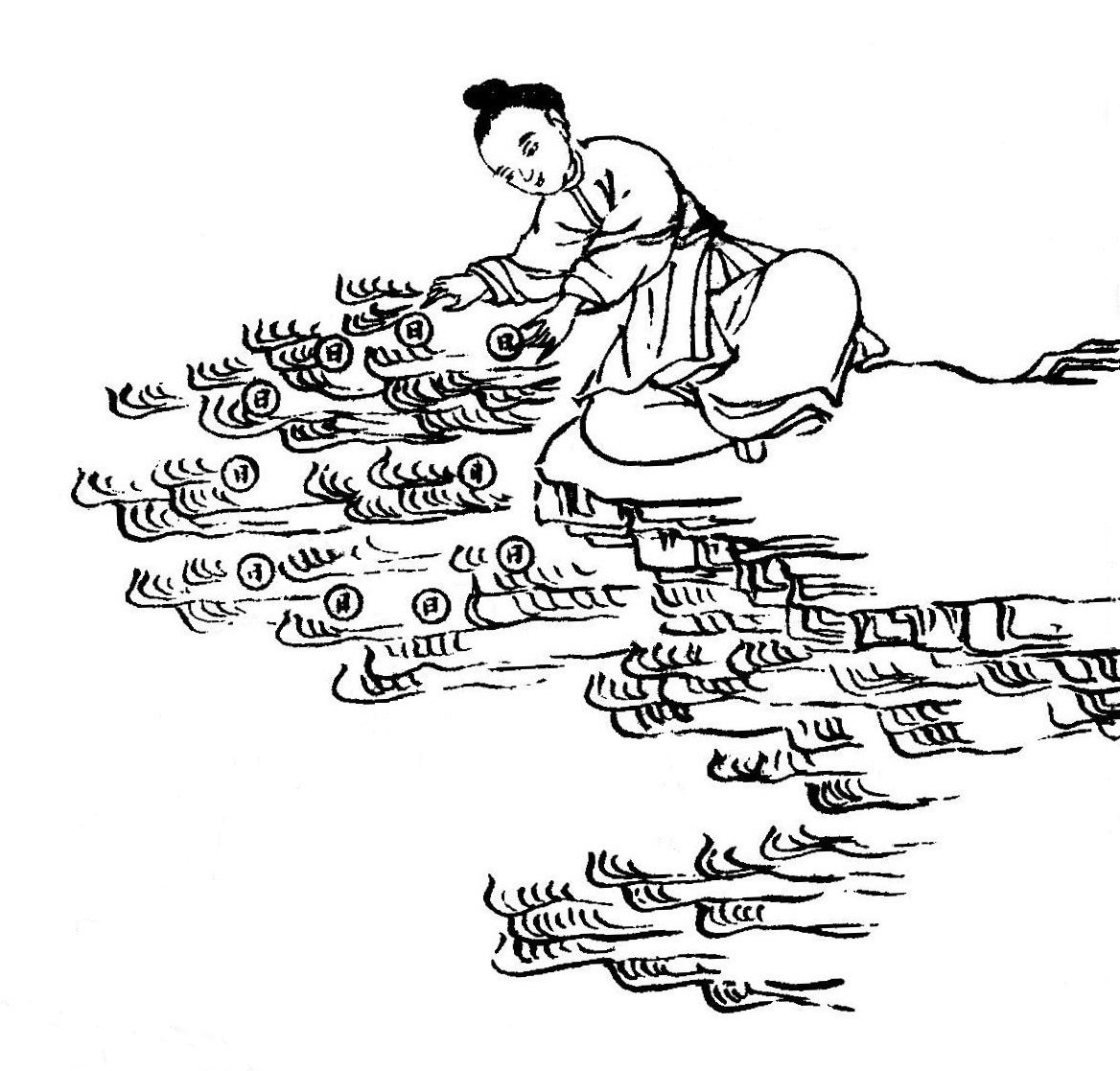
She had ten children and every one of them was a sun. In a gulf of sweet water at the edge of the world she bathed them, and sent them out one at a time to cross the sky.
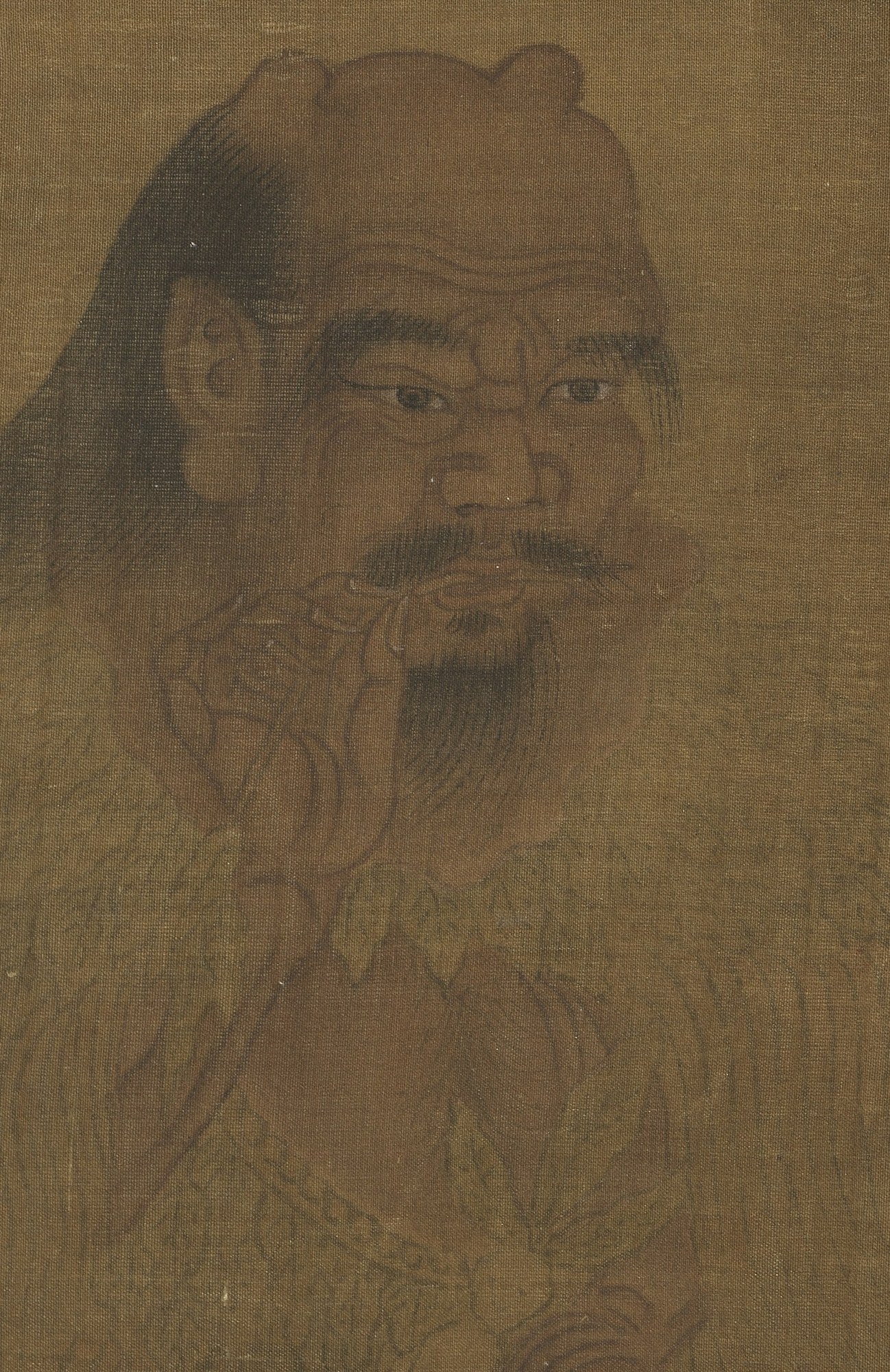
He hewed the first plough from raw wood, then turned on his own body as a laboratory, tasting the hundred plants and meeting seventy poisons in a single day so that his people would know what to eat and what to fear.
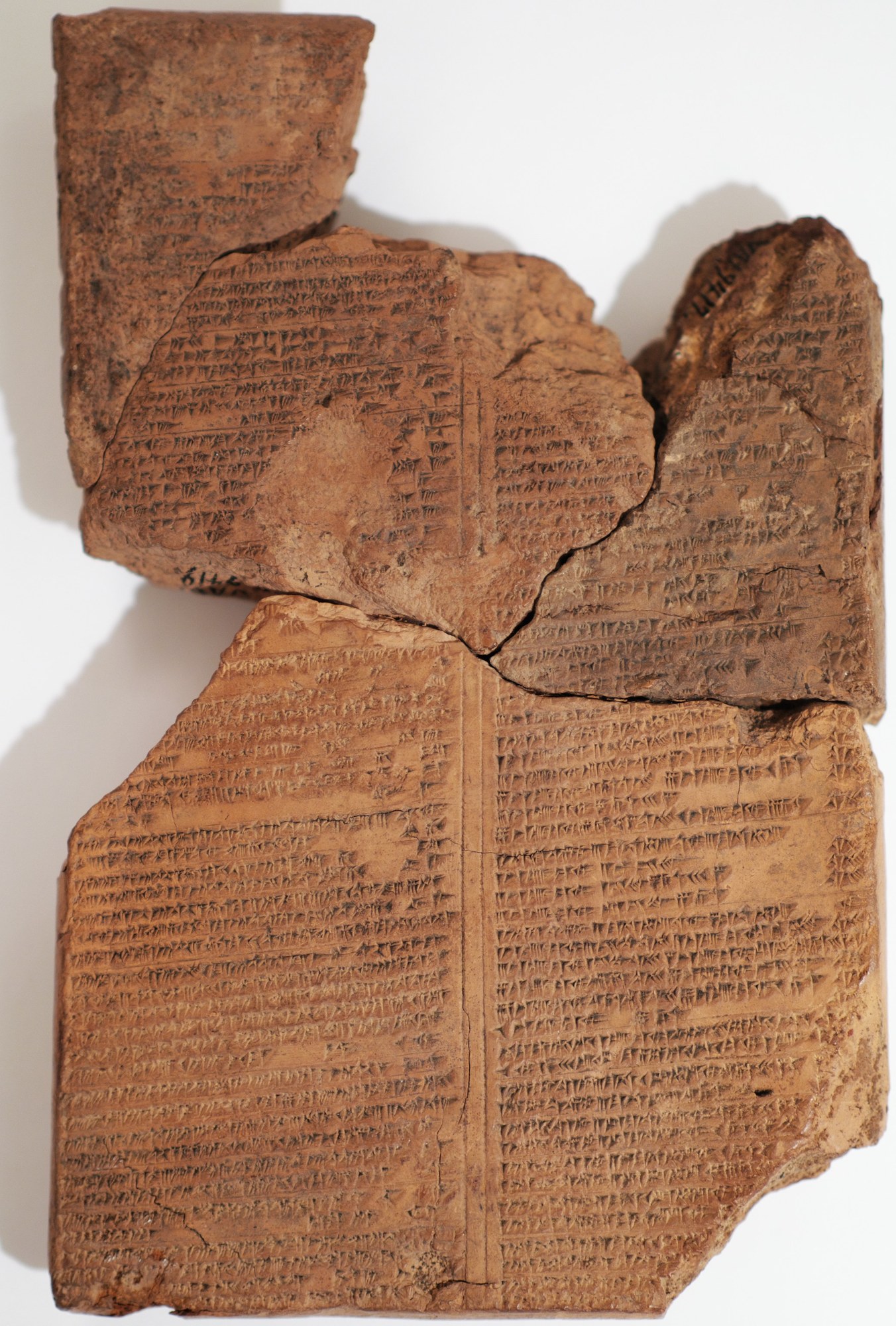
With the sea dead beneath his foot, the champion turned to a quieter labour: fixing the stations of the sky, dividing the year, and handing the moon a monthly work-order. This is the creation of measured time, spoken into being at the world's first dawn.
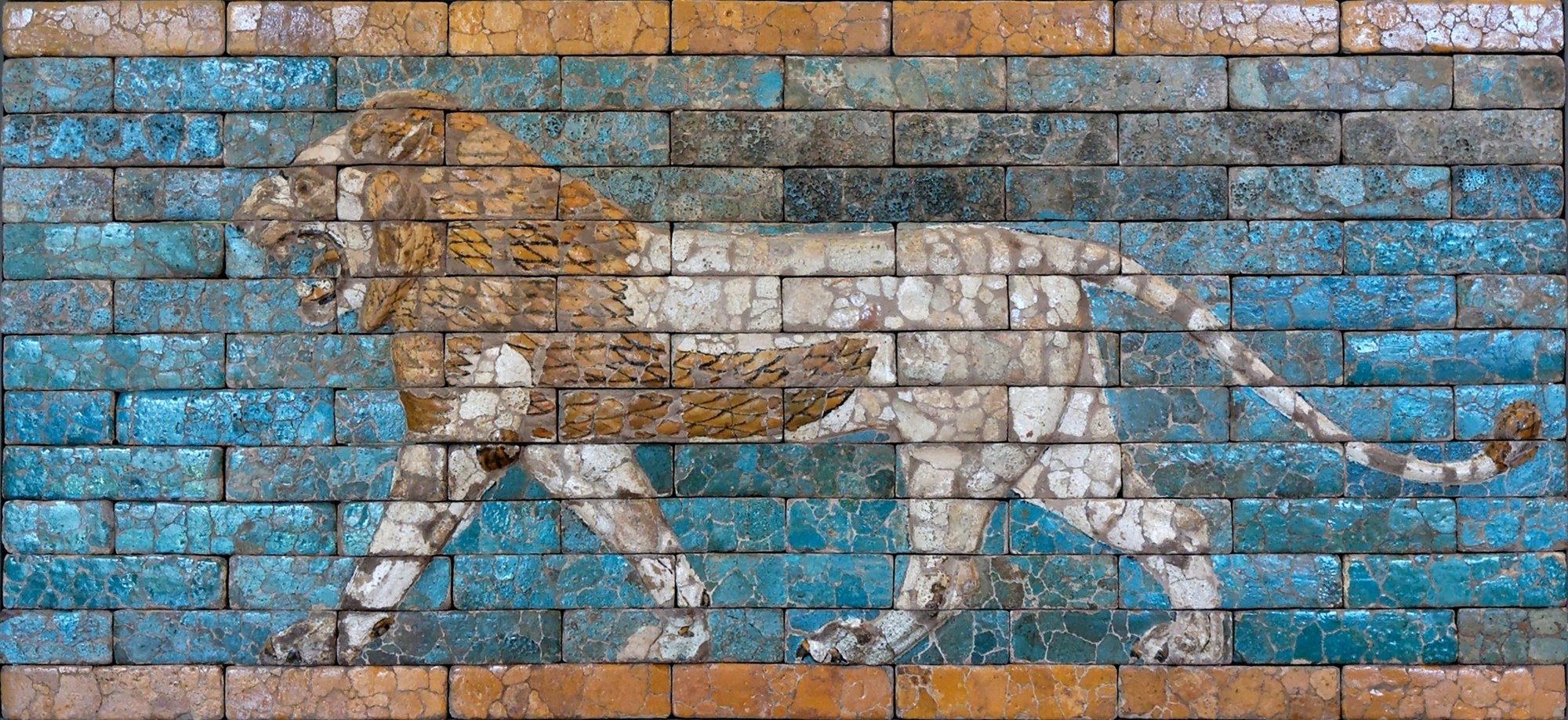
For eleven days each spring the priests of Babylon washed a god, stripped a king of his crown and slapped him until he wept, then carried the whole company of the gods out through the glazed gate to renew the year.
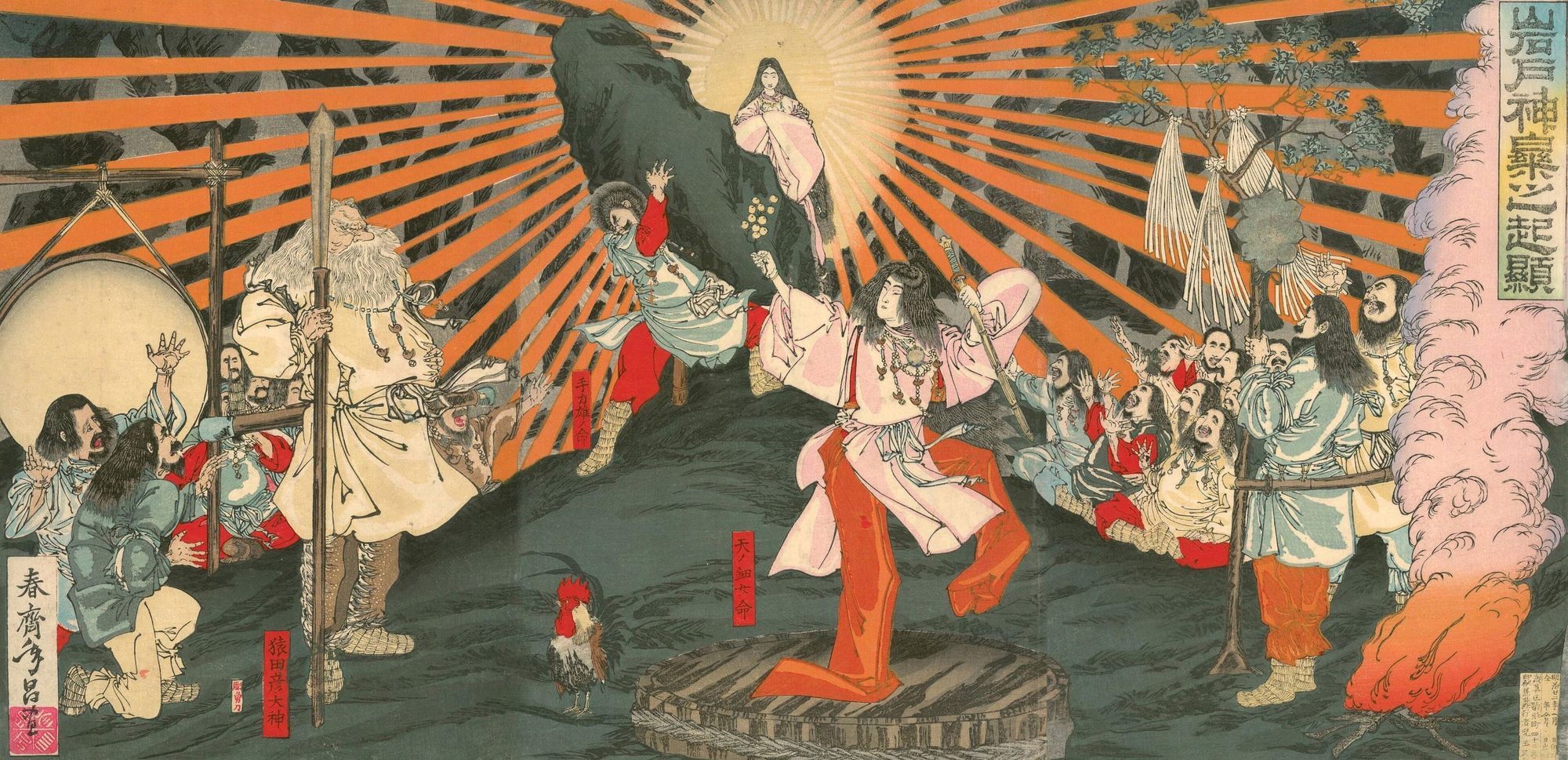
The sun-goddess bolts herself inside a stone door and the world goes black; it takes a forged mirror, a ribald dance and eight hundred myriad gods laughing in the dark to trick the light back out.
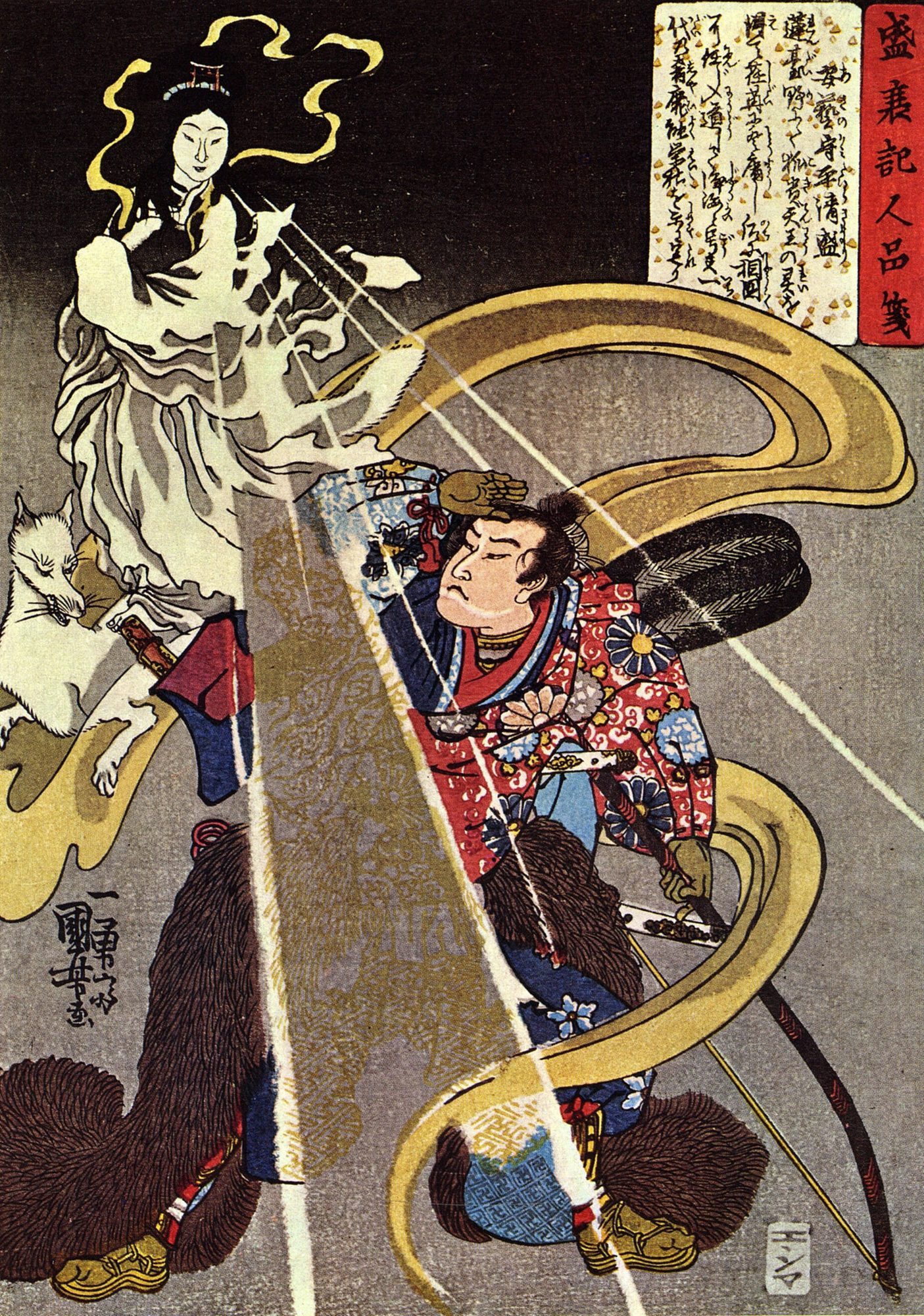
A rich man shot arrows at a rice-cake for sport, and the wasted rice rose up as a white bird and flew to a mountain where rice began to grow: the founding legend of Japan's most-worshipped kami, whose name means the rice becomes.
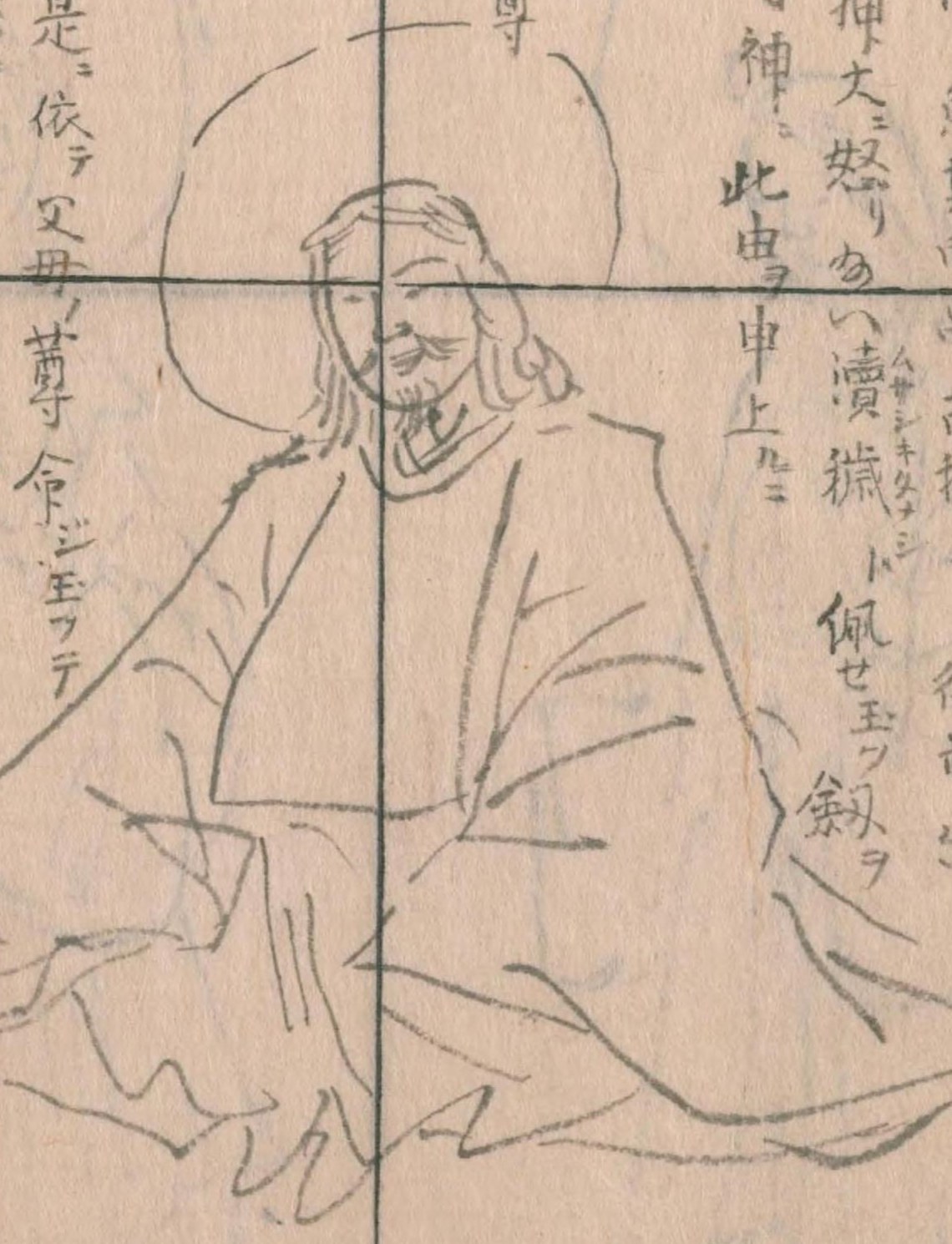
Born from the right eye of a god washing himself clean of the dead, the moon drew his sword on a goddess who fed him from her mouth, and for that the sun turned her face away: the quiet god whose one act set the sun and moon apart.
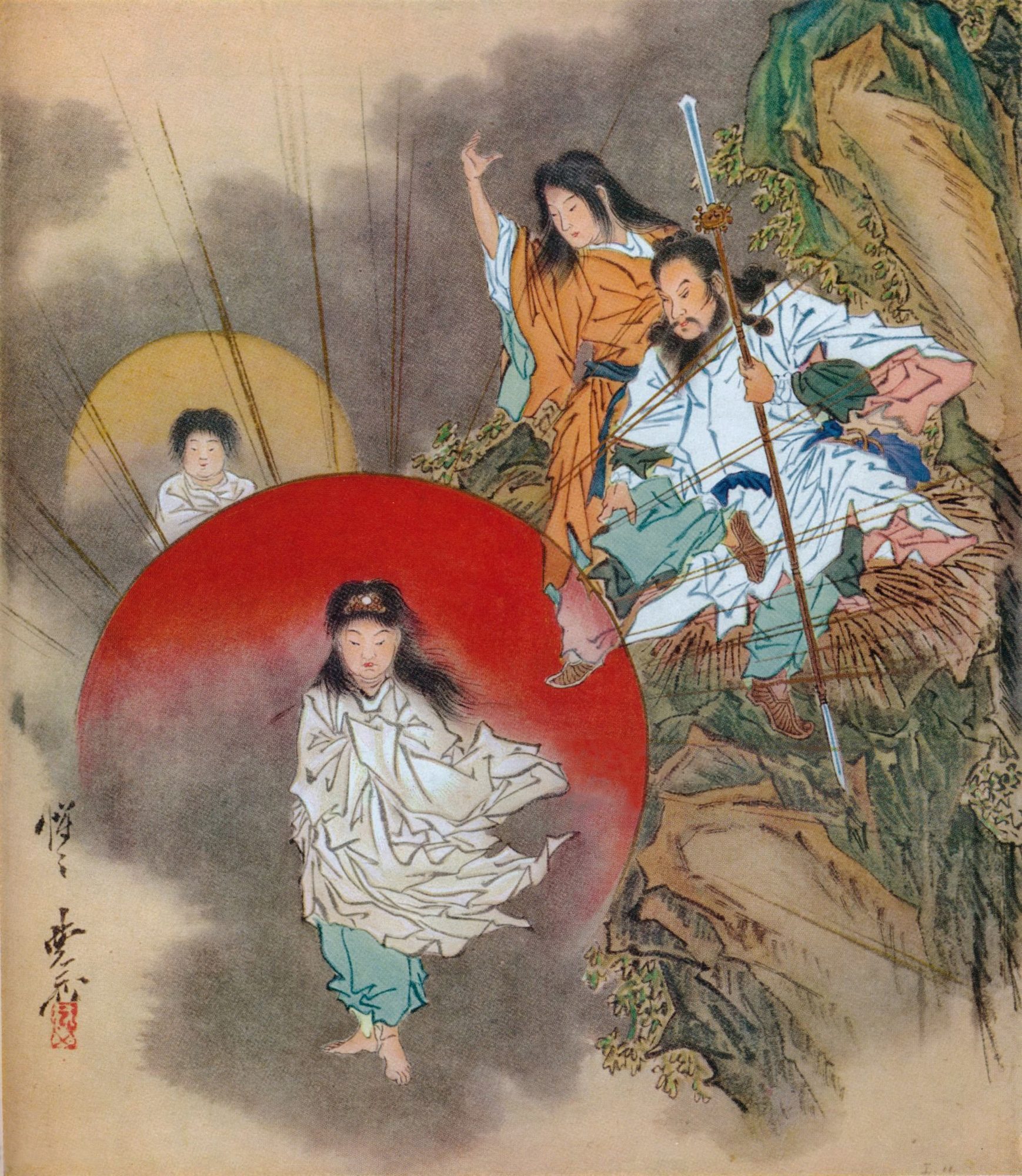
Not a mountain and not a sky-city but a plain: the celestial country of rice-fields and river-councils where the sun-goddess reigns, the cosmos opens, and the line of emperors takes its first breath.
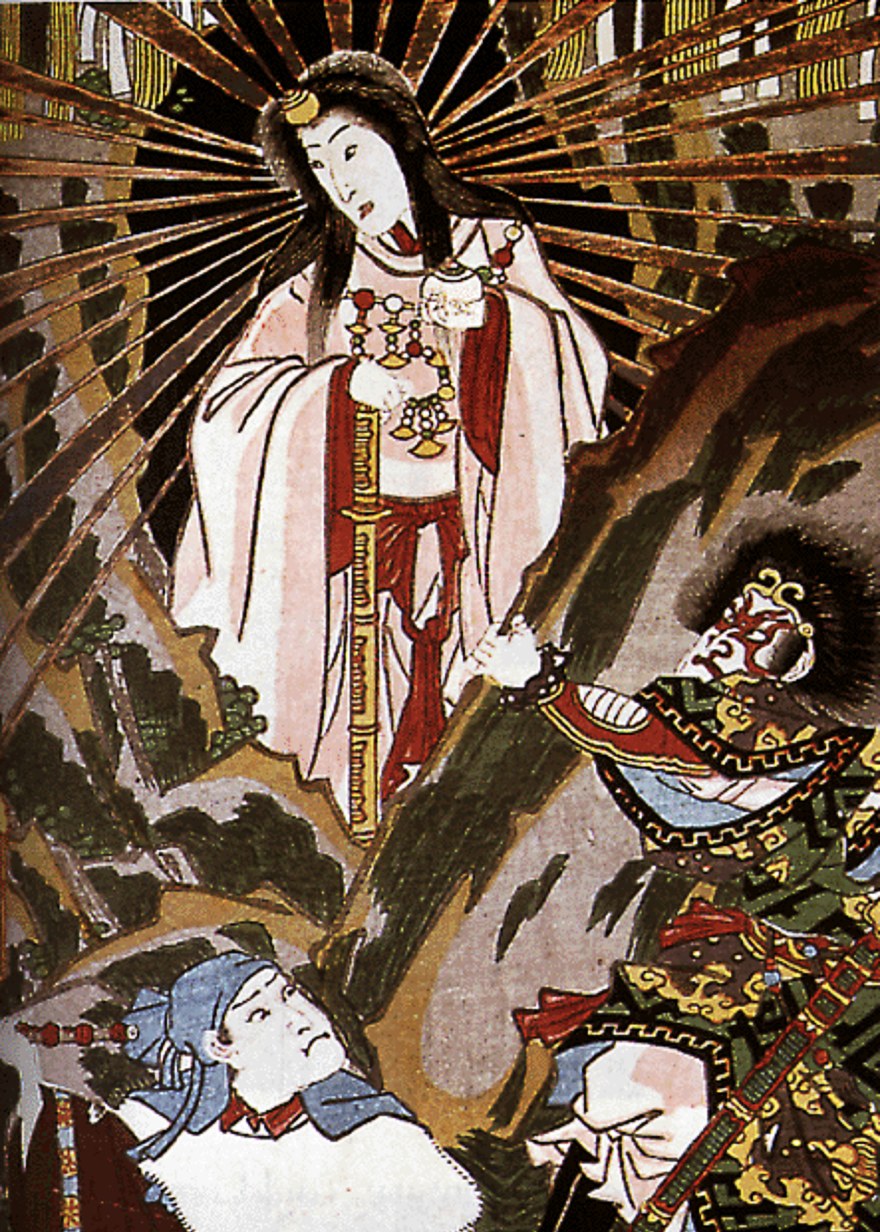
The radiance that shone through all six quarters at birth, the goddess who armed herself like a warrior against her own brother and then shut the door on the world: ancestress of the emperors and light of the High Plain of Heaven.
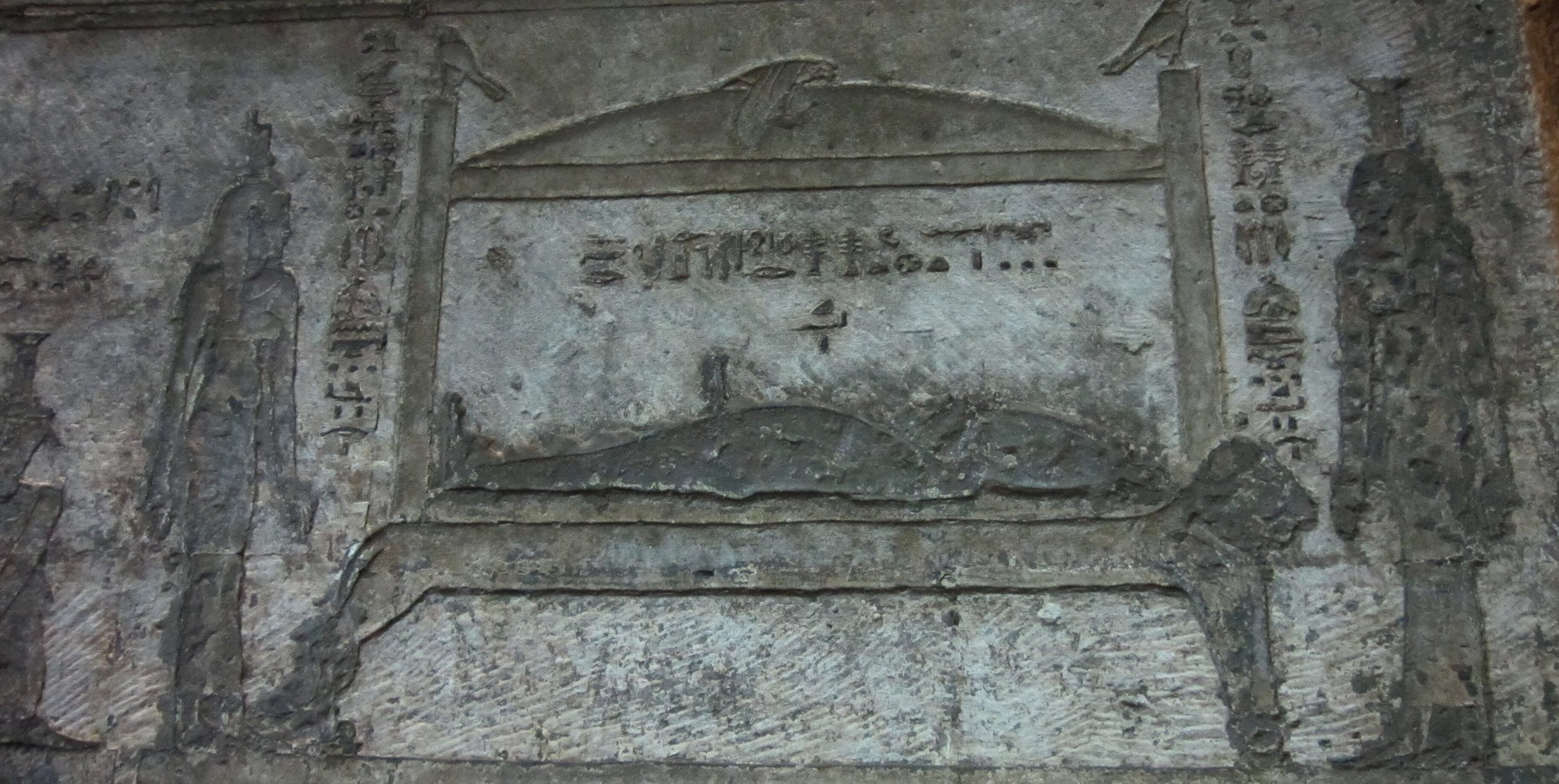
Once a year the god was carried out to die, hunted to his grave on the desert flats, and brought home again: what a royal treasurer, a Greek philosopher and a temple archive each saw of the drama, across seventeen centuries.
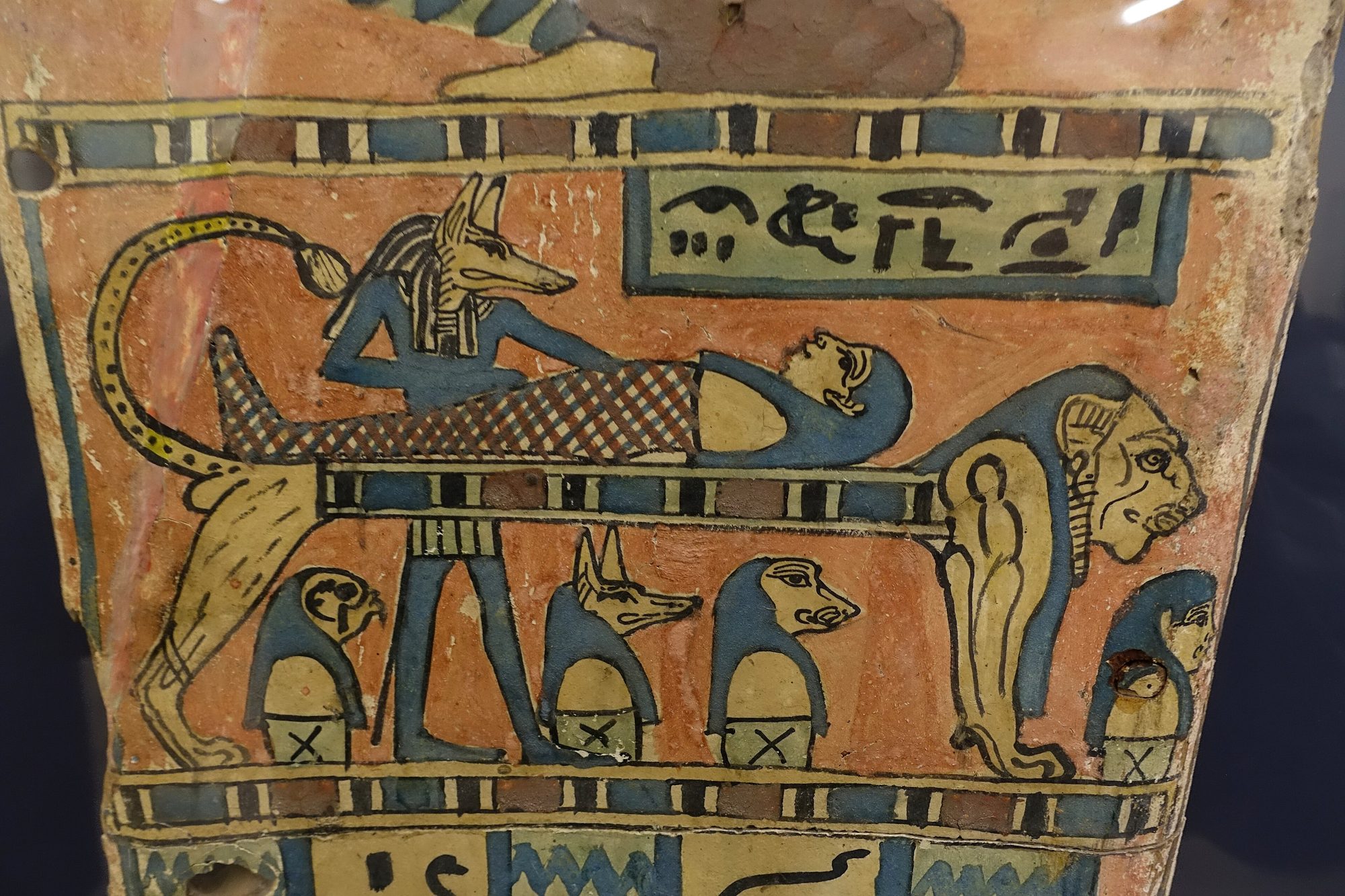
She arches over the whole earth and holds it in her arms; the dead king is her firstborn, the stars are her thousand souls, and each night she swallows the sun to give it back at dawn.
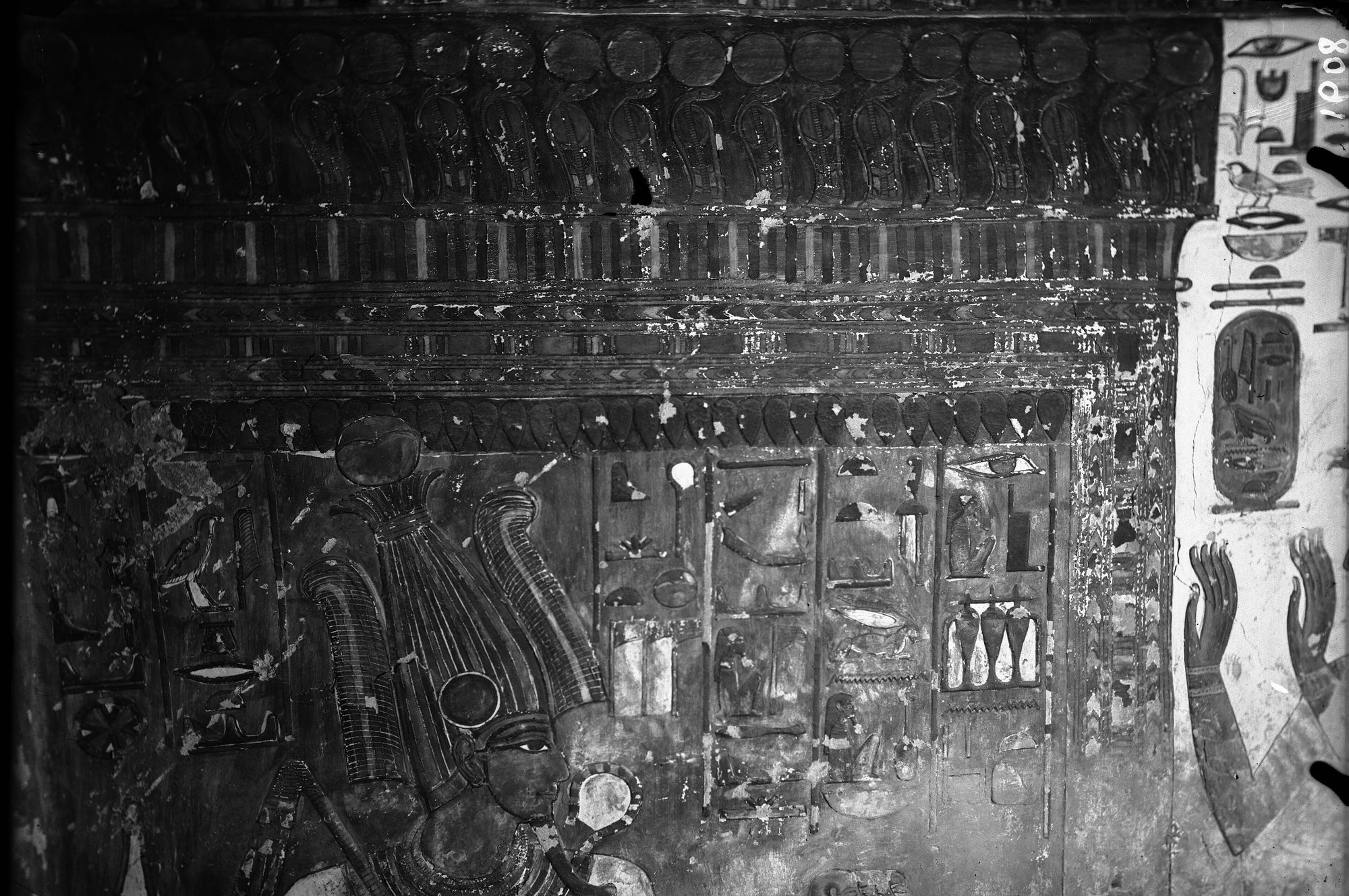
Egypt worshipped him for two and a half thousand years and never once wrote his story down: the green mummiform king who absorbed a jackal god, rose as Orion, and lent his name to every vindicated corpse.
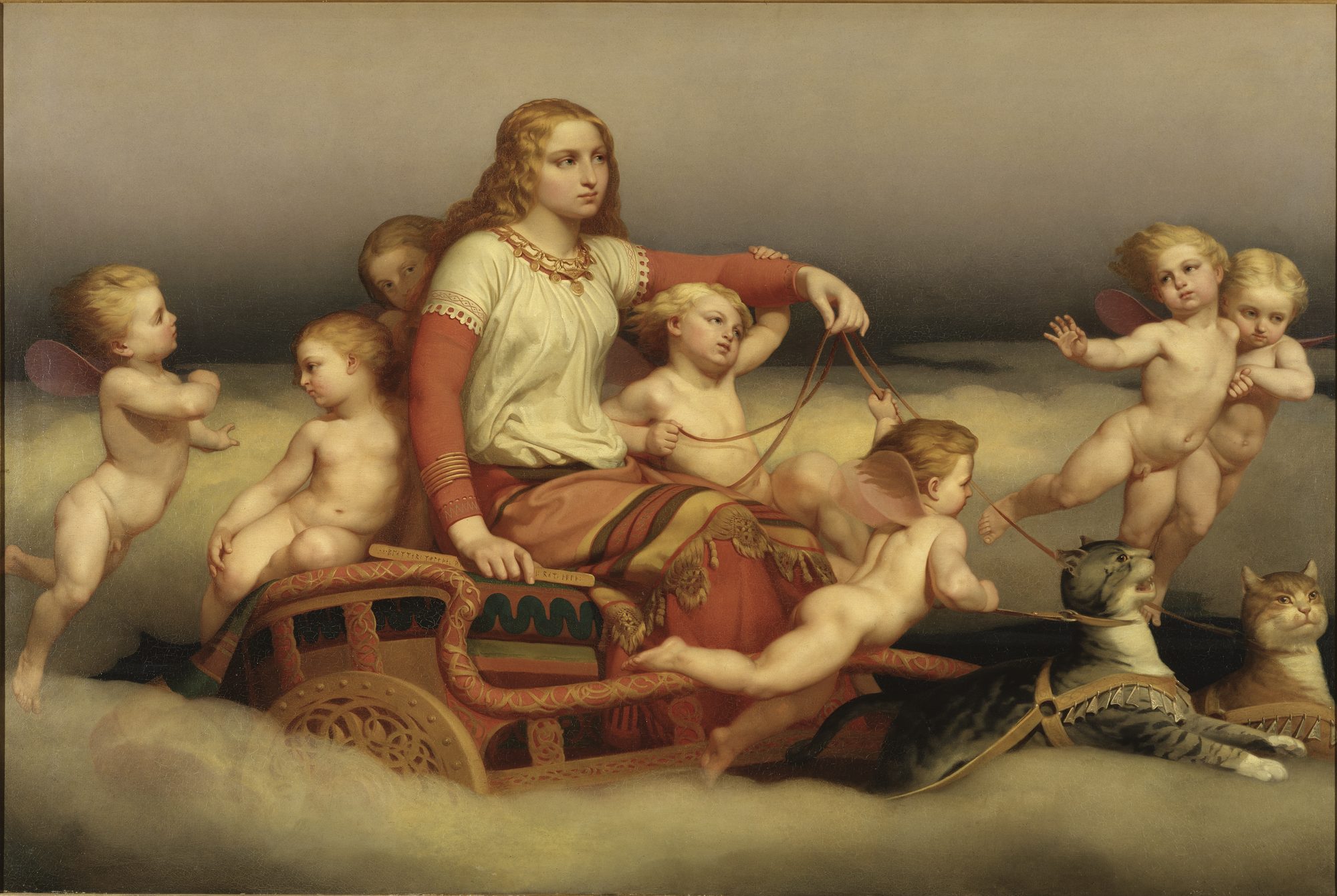
She rides to the battlefield in a chariot drawn by cats and carries home half the slain, weeps red gold for a husband who wandered off, and is the goddess men pray to when they are in love: the strangest and most renowned of the Norse goddesses.
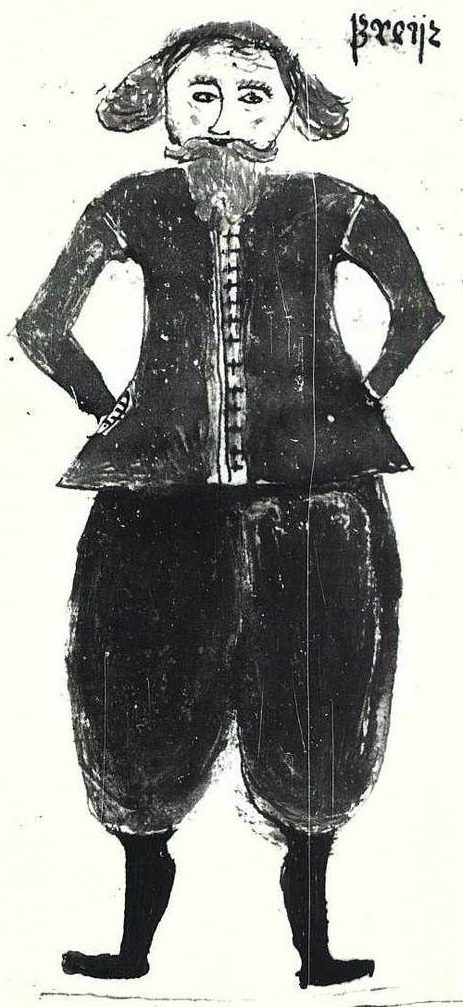
He climbed into a seat that was not his, looked out over all the worlds, and fell so hard for a giant's daughter that he gave away the one sword that could have saved him: the Vanir god of the fruitful season, lord of the elves, and the most renowned of the gods you called on for peace.