
Hindu
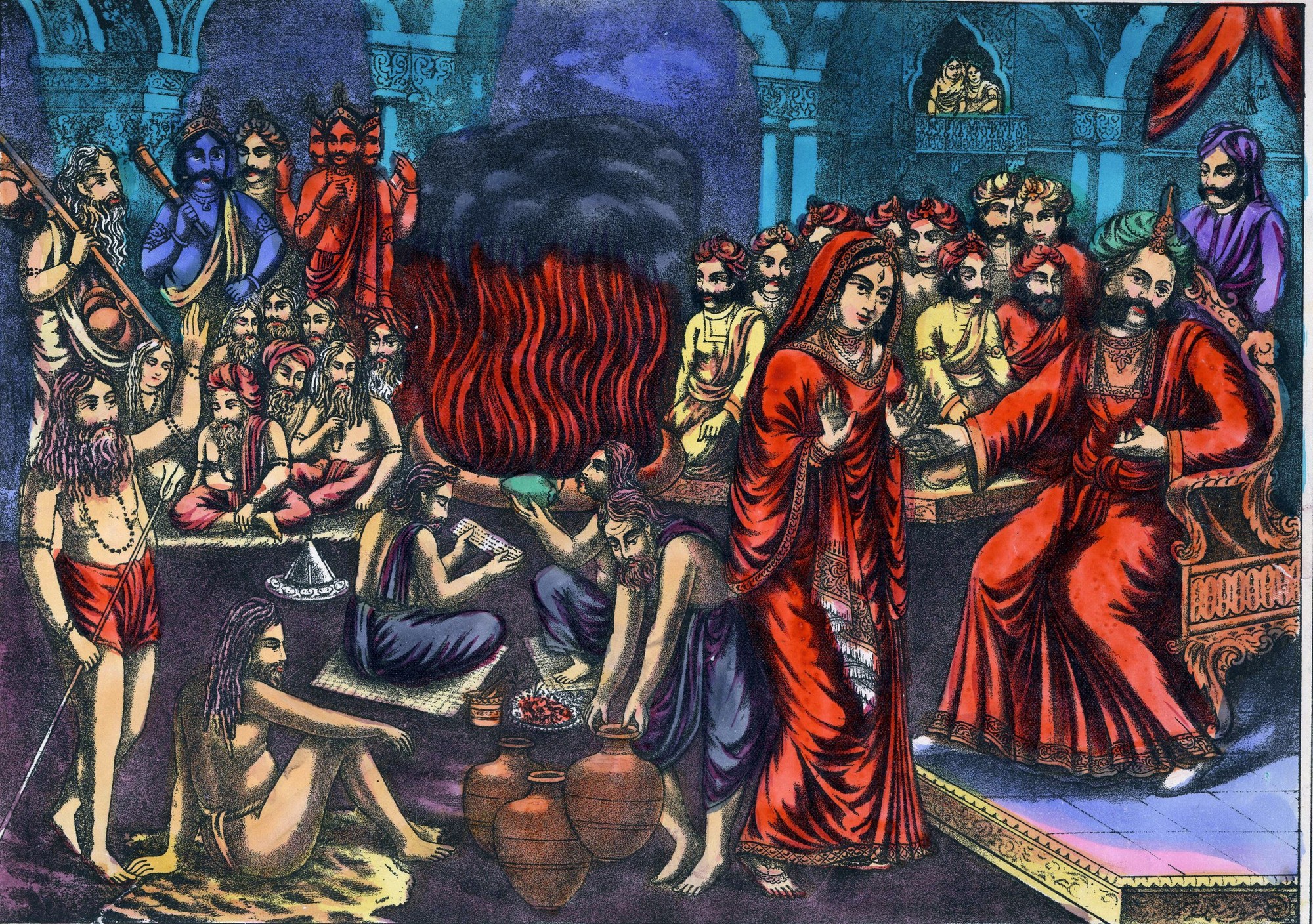
Sati, Shiva's First Consort
The good wife whose name became English for a rite she never performed: not a widow on a pyre, but a goddess who chose her own father, then unchose the body he gave her.
Right order, judgement, and reckoning: divine and civic.
The good wife whose name became English for a rite she never performed: not a widow on a pyre, but a goddess who chose her own father, then unchose the body he gave her.
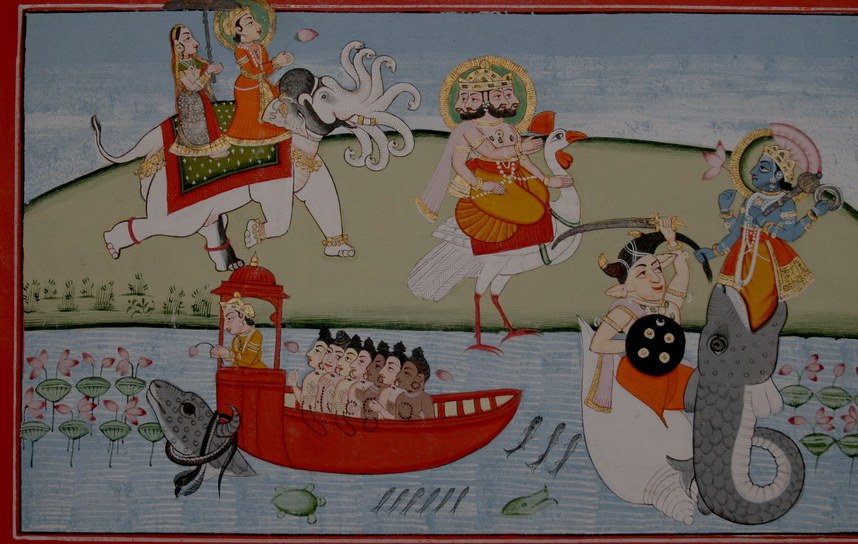
One figure carries three jobs that the texts assembled across seventeen centuries: the first man, the flood-survivor who alone repeopled the earth, and the lawgiver whose name a whole code still bears.
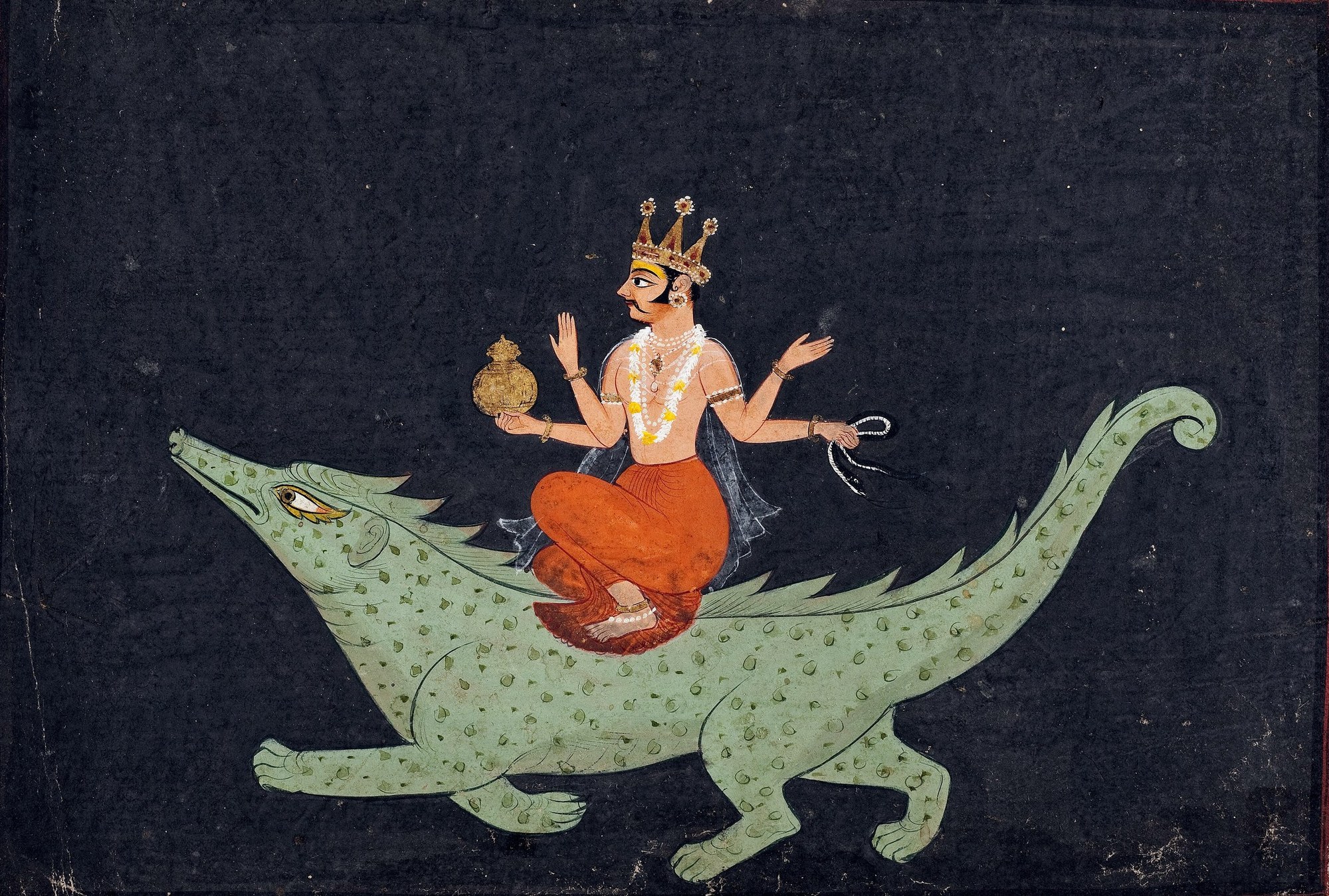
The all-seeing sovereign of the earliest Veda counts every human blink and knows the third party to every whispered conversation. He binds the liar with a shining noose and swells his belly like a hoopless jar, then, to the penitent, loosens the same cord as a herdsman frees a calf.
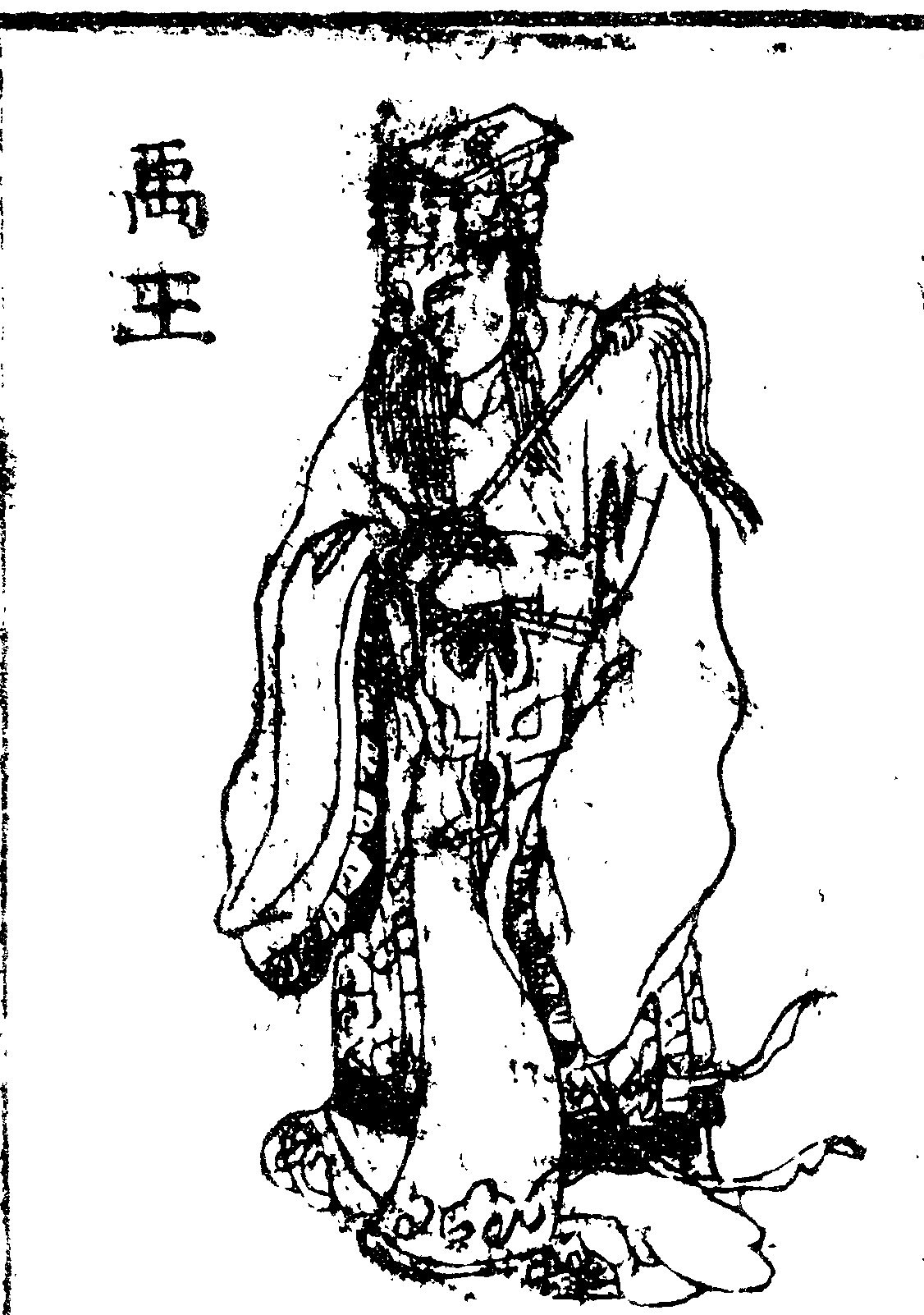
One ruler had the father executed for failing at the flood and in the next breath set the same charge on his son; between the two men lie power denied to the father then given to the son, a son born from his father's body, and three conflicting accounts of who killed Gun.
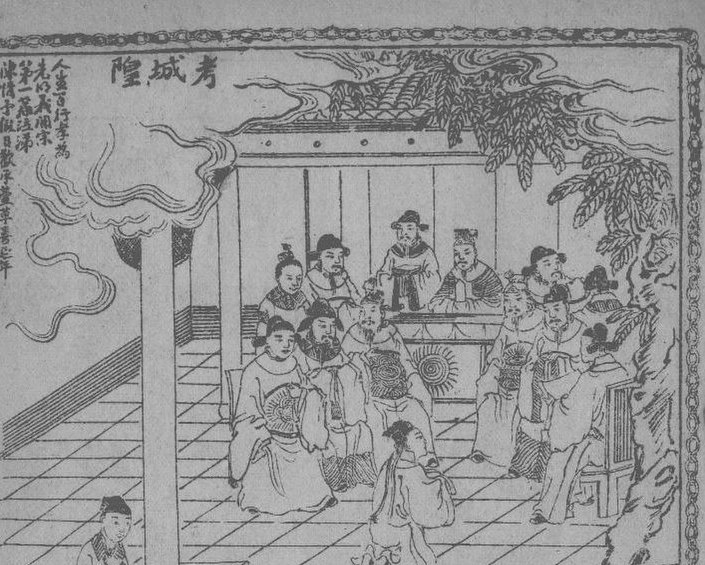
A wall and its dry ditch deified into a magistrate for the unseen. He keeps the census of the dead and can be whipped when rain fails. Ming edicts ranked him Earl to Prince, then stripped the titles a year later.
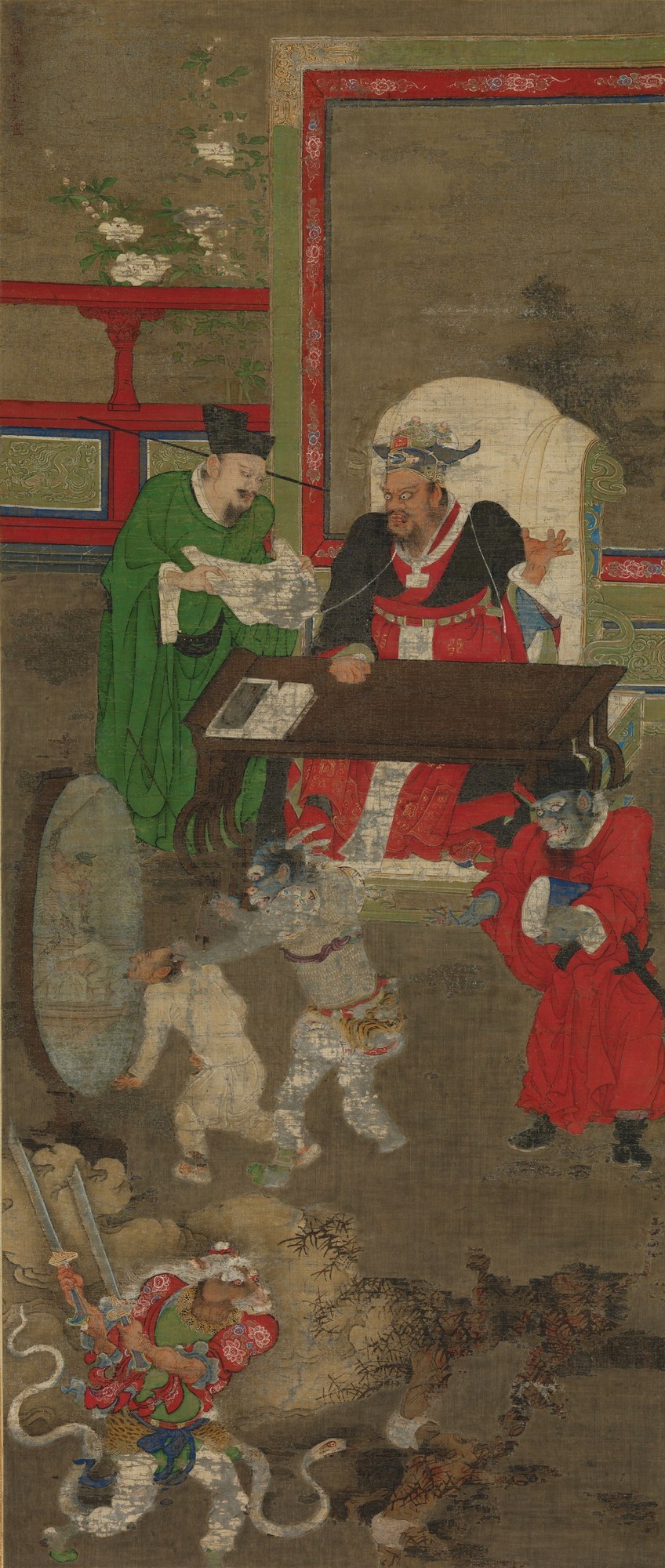
King Yama, imported from India as sole ruler of hell, then broken by Chinese folk religion into the fifth of ten magistrates on a paperwork assembly-line for the dead.
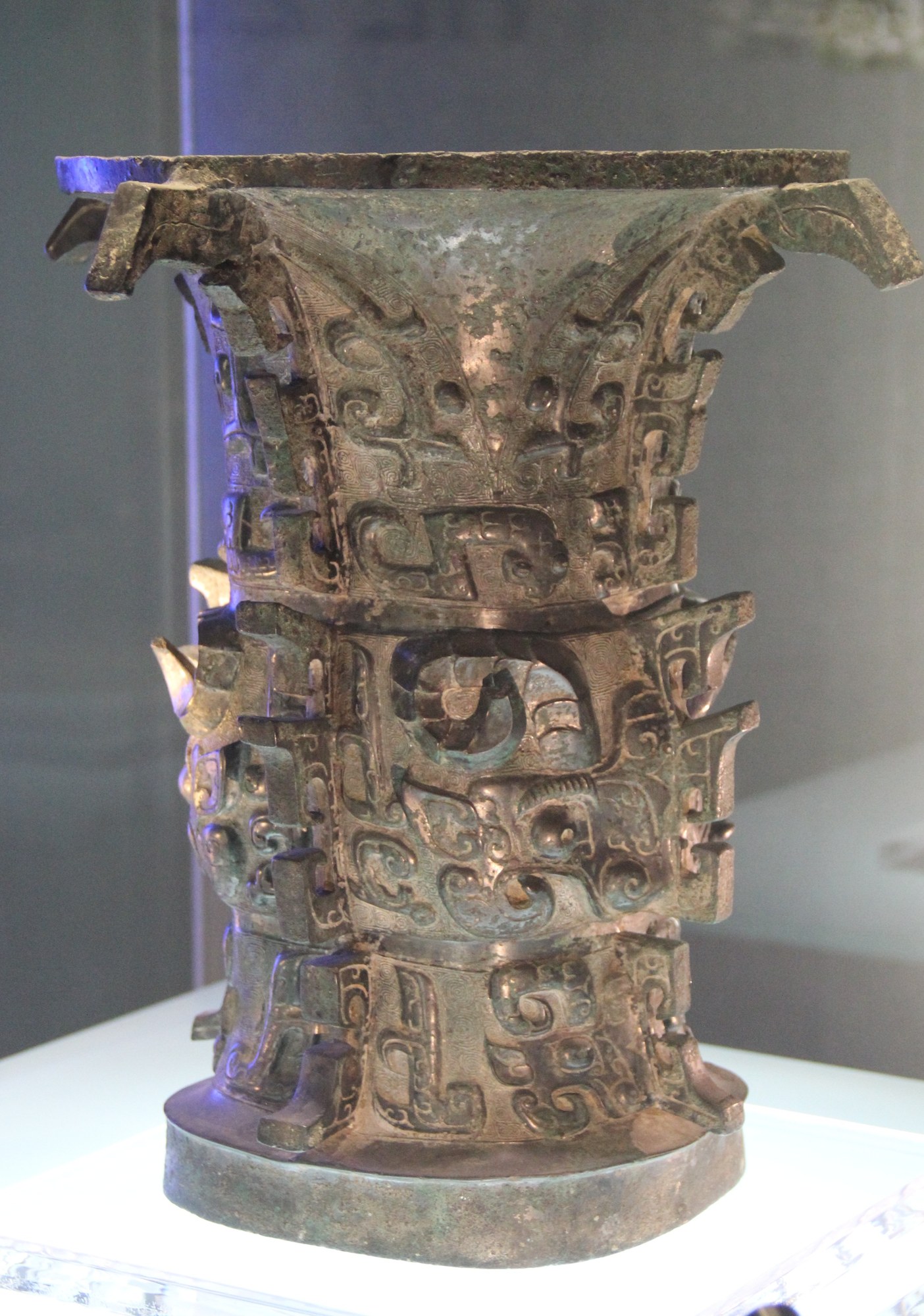
The Zhou had just destroyed the Shang. Now they had to explain why it was right that they had won, and the answer they gave hung a blade over their own heads.
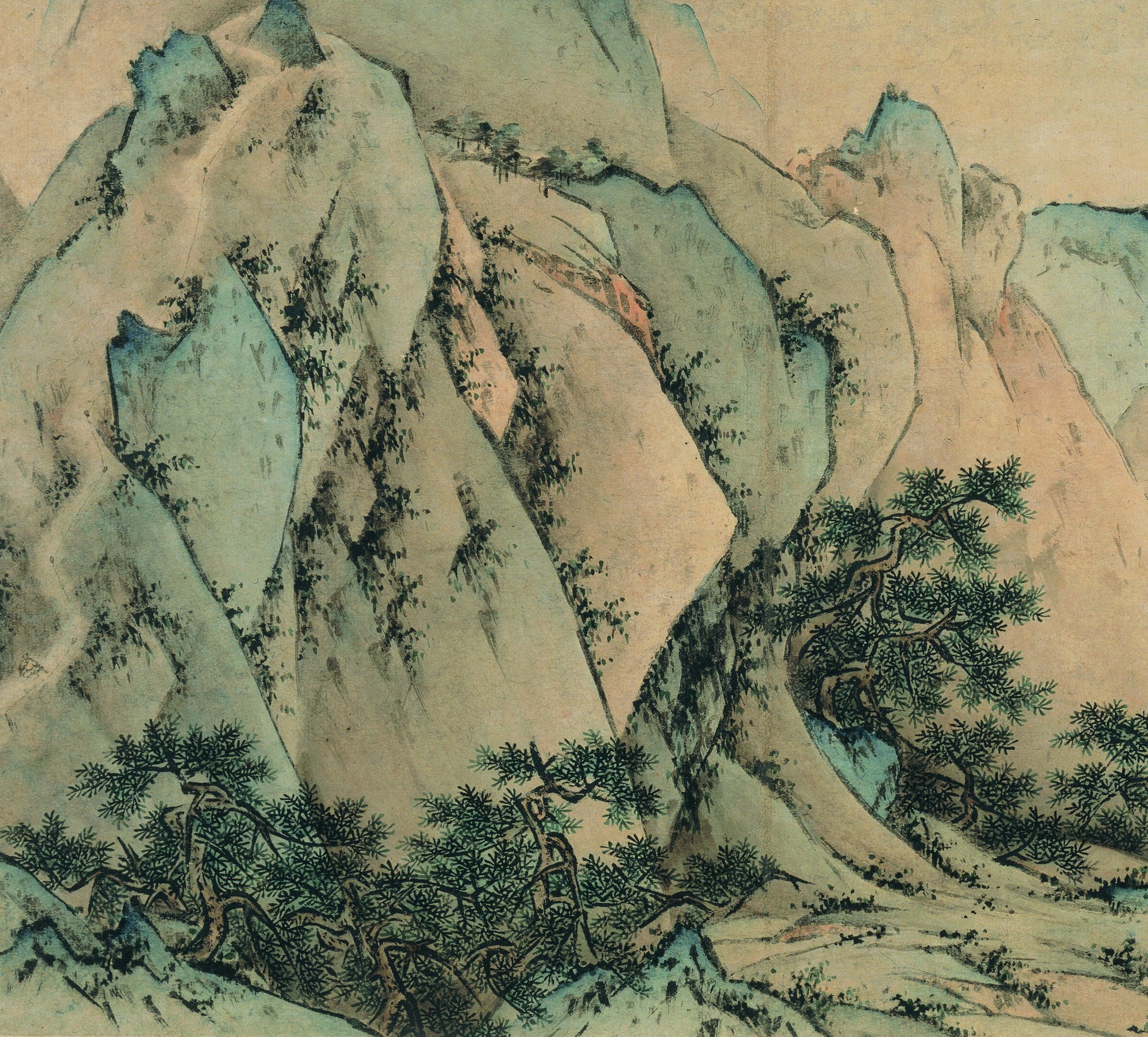
A boy is told his mother lies pinned under Mount Hua for the crime of marrying his father: how a folk-and-theatre tale of the Ming and Qing borrowed its splitting axe from a river-god fifteen centuries older.
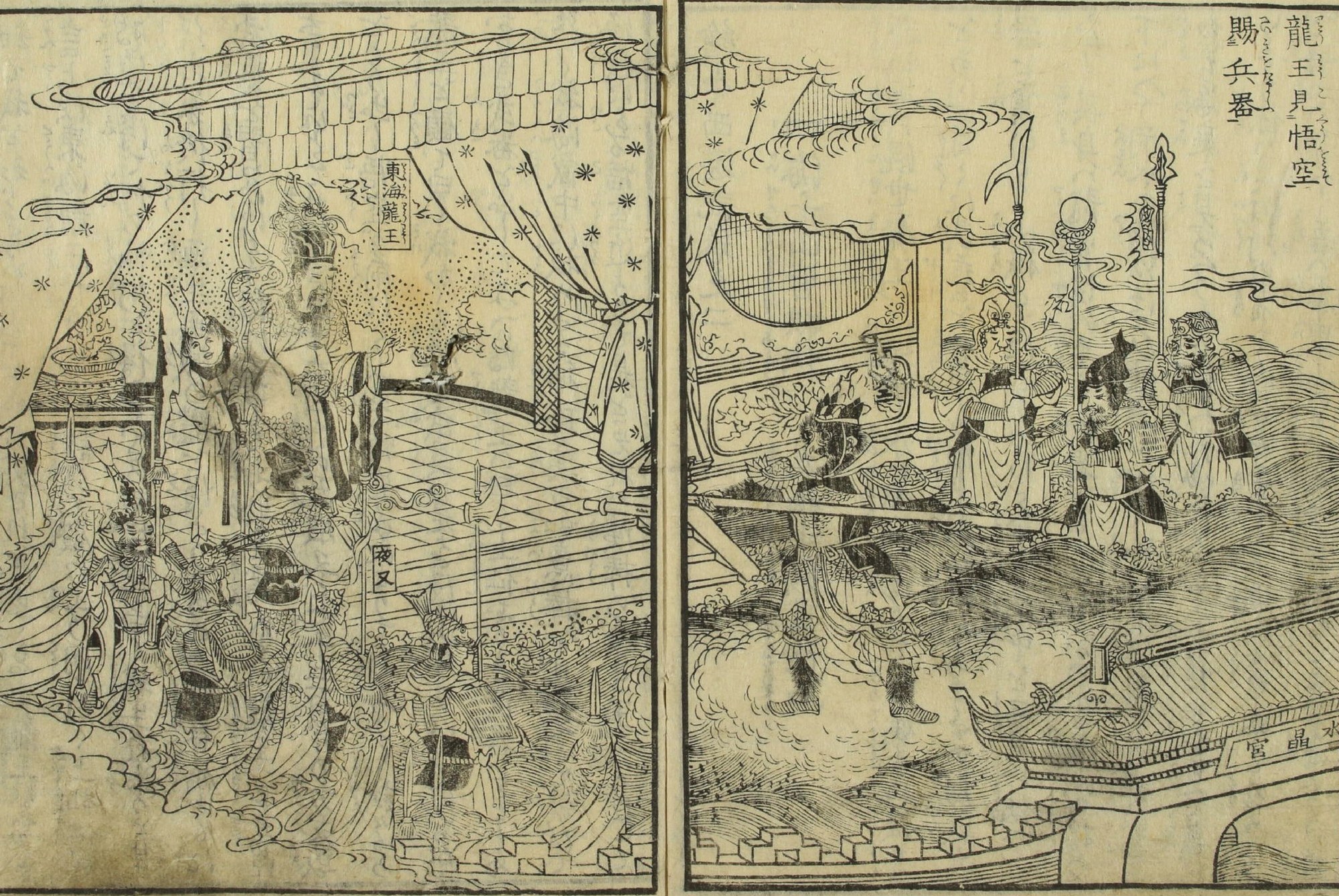
The four brothers surnamed Ao who rule the seas from crystal palaces are the youngest thing about the dragon king: a Ming novelist's quartet laid over a rain-dragon the Han knew seventeen centuries before, and a royal title borrowed from India in between.
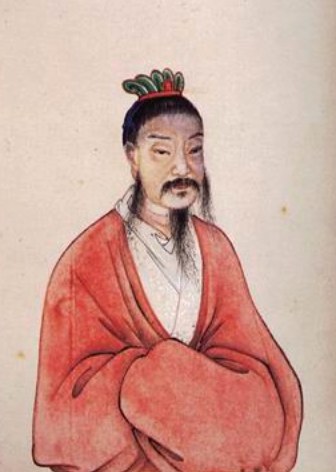
A sage-emperor hands the whole apparatus of punishment to one upright man, whose aim is to punish until no one need be punished. The beast that made him famous for smelling out the guilty is known to us only from the pen of a man calling it a fraud.
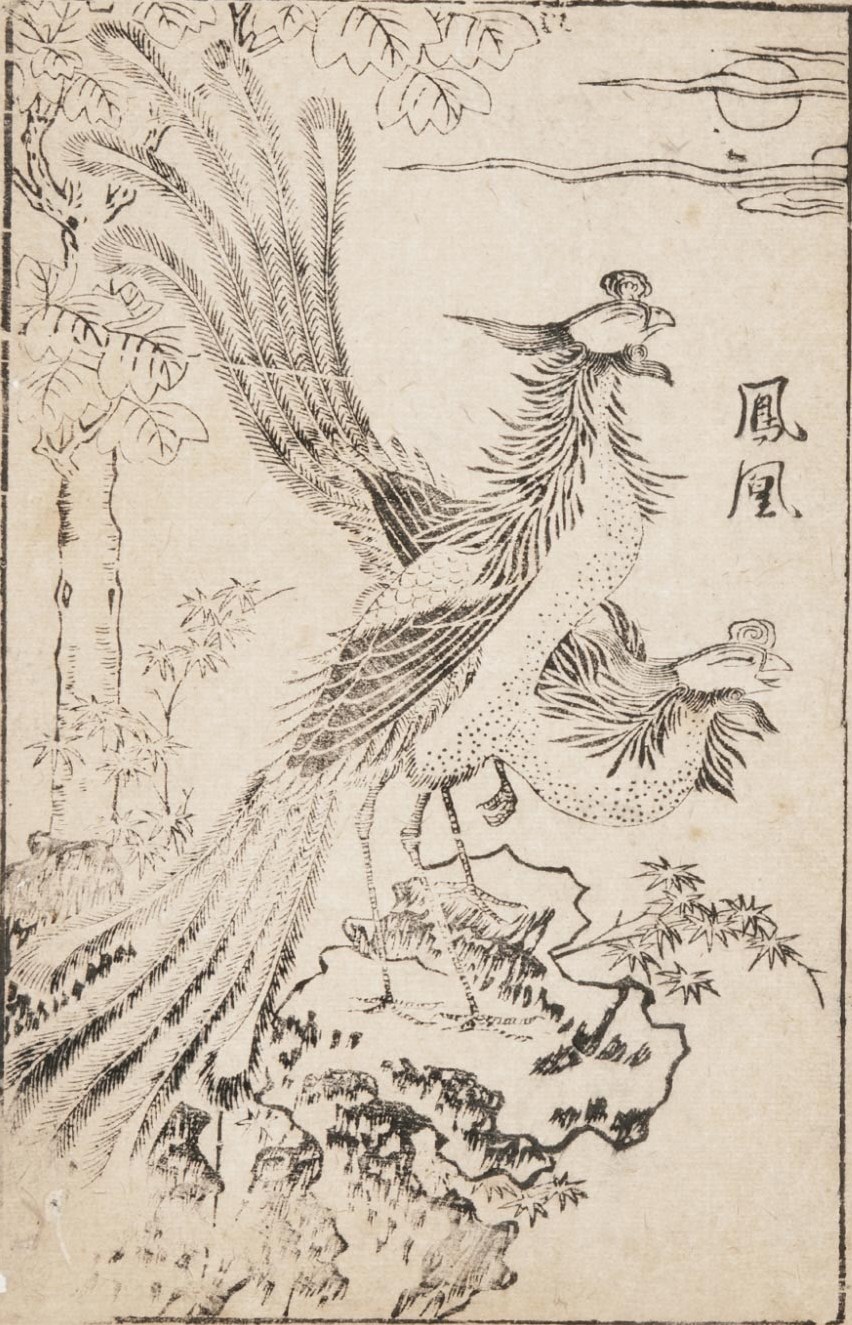
A five-coloured bird, the five virtues written in its feathers. It eats and drinks as nature provides and appears only when the realm is at peace.
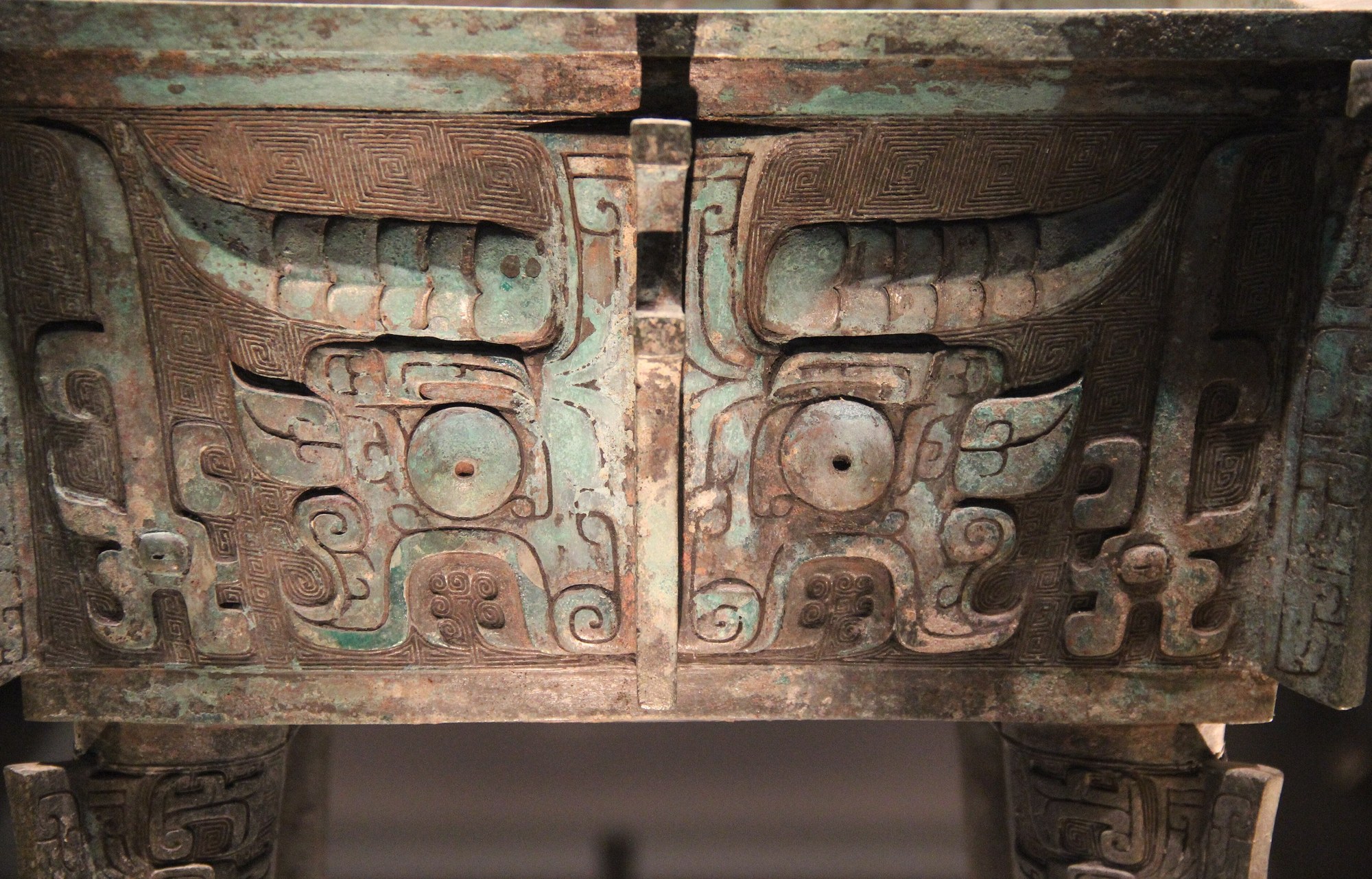
A face that is all mouth and no belly, cast into the bronze of ancient cauldrons: it devours a man and, before it can swallow, the harm rebounds and destroys the devourer itself.
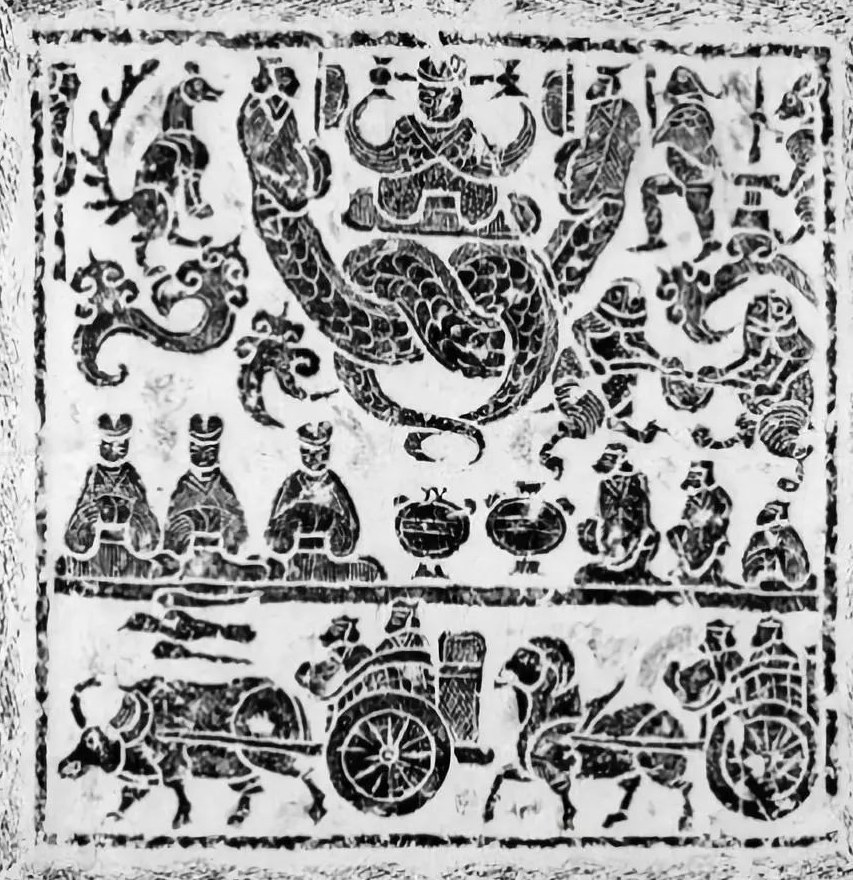
Before she was the jade-decked matron of the immortals, she was a cave-dwelling numen with a tiger's teeth and a leopard's tail, whistling on a western mountain and presiding over plague and ruin.
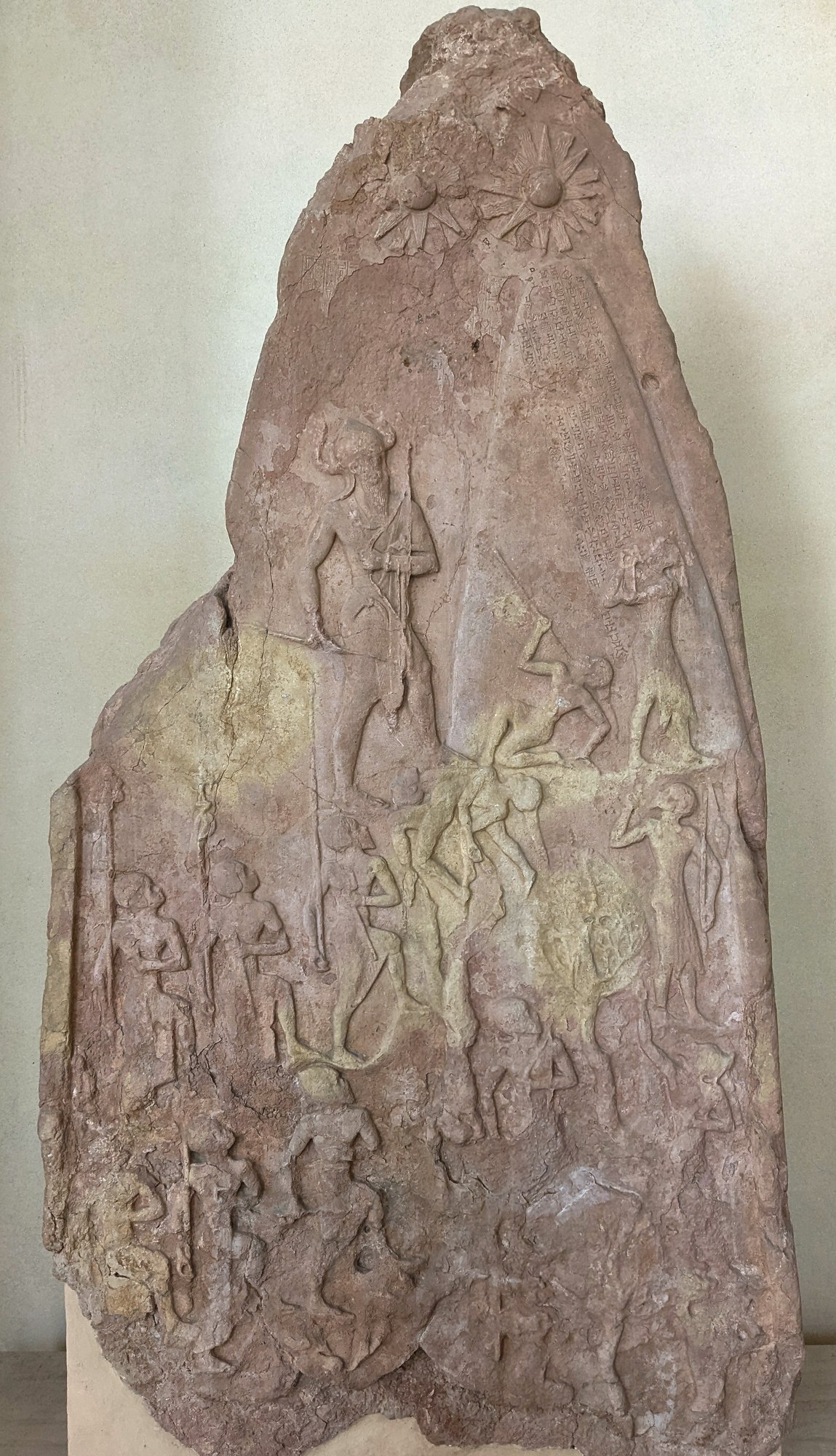
A king took axes to the god's own house, packed the temple's gold into leather bags, and loaded it onto ships. So the poets, four centuries after the city fell, explained why Agade vanished from the earth.
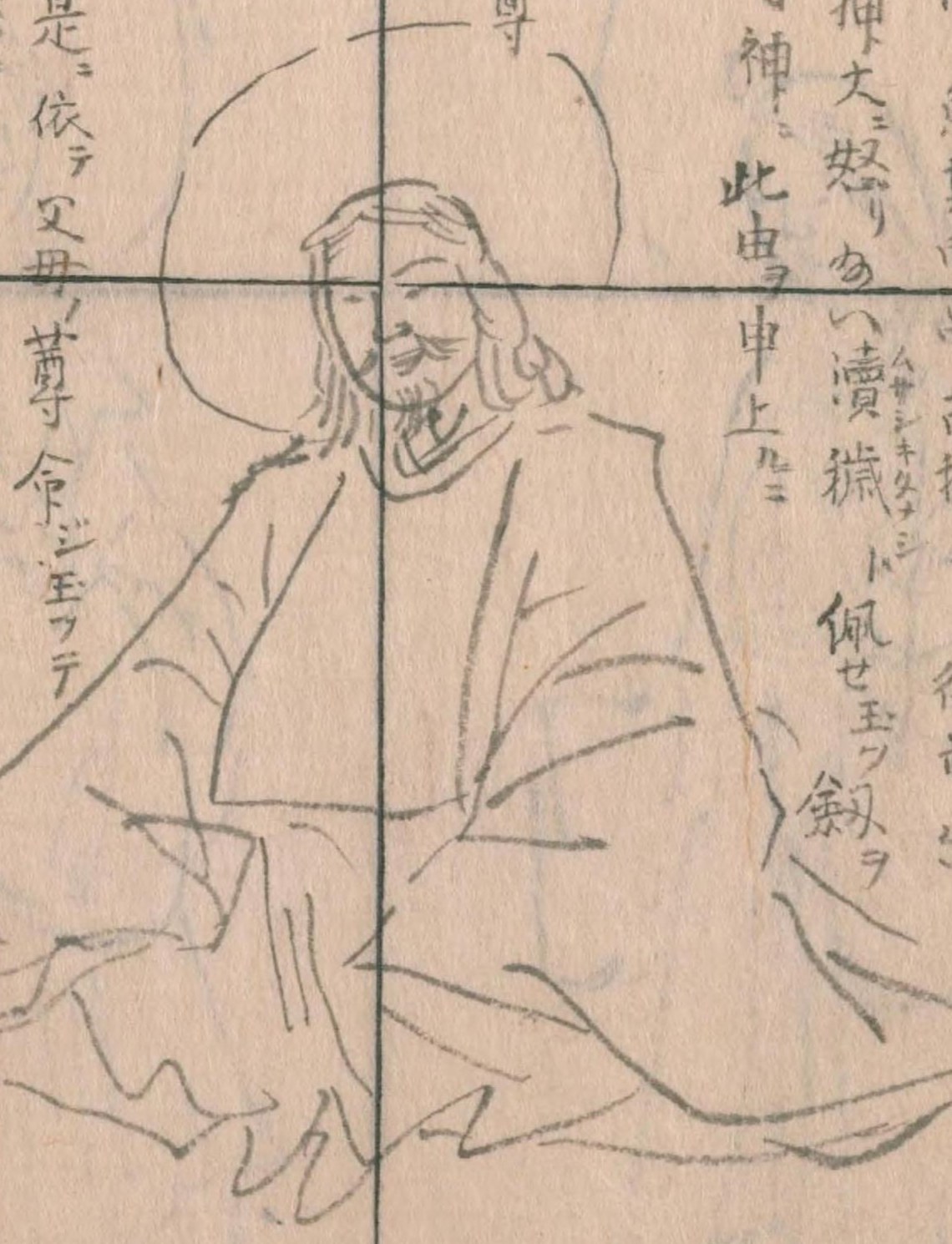
Born from the right eye of a god washing himself clean of the dead, the moon drew his sword on a goddess who fed him from her mouth, and for that the sun turned her face away: the quiet god whose one act set the sun and moon apart.
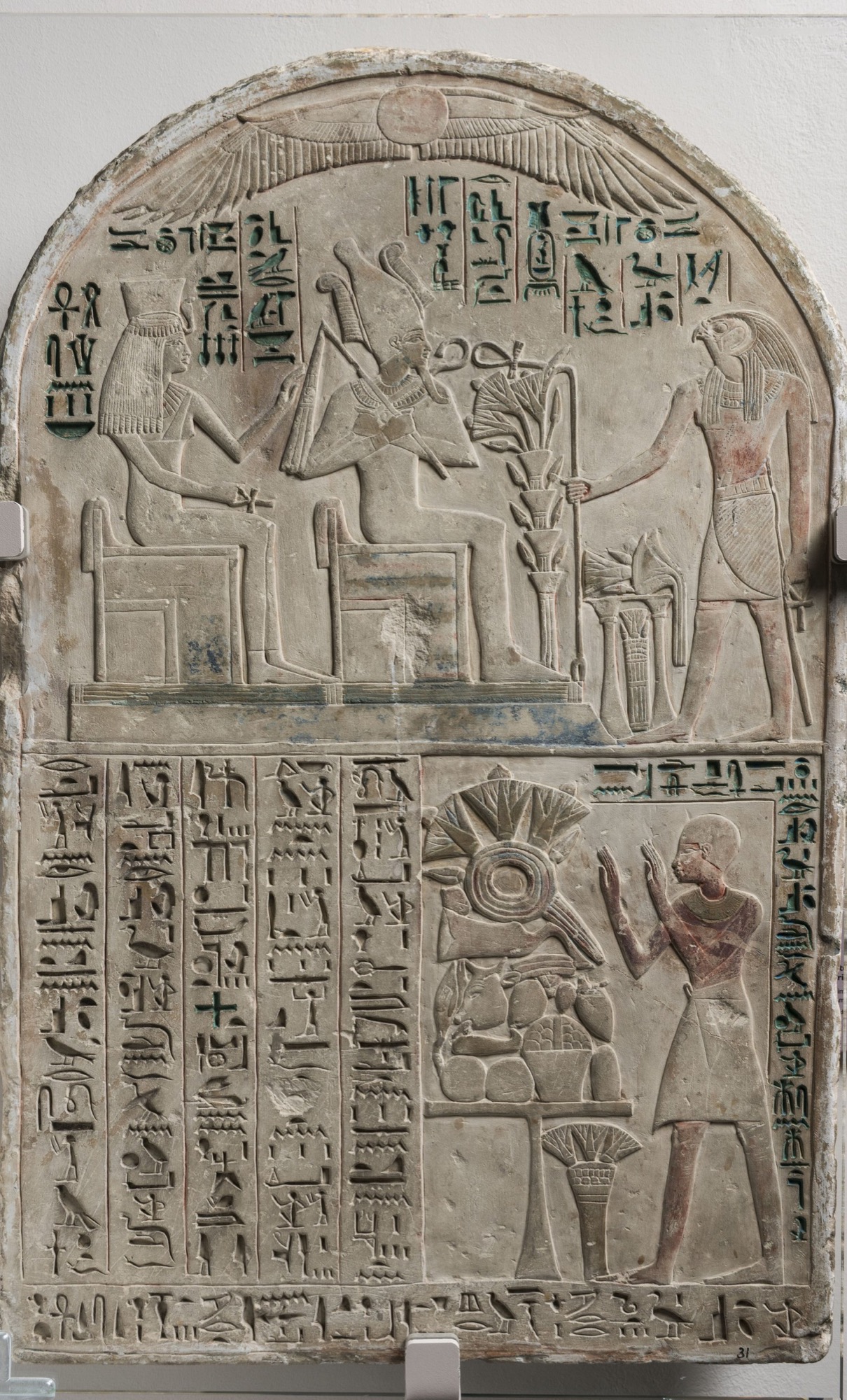
Reared in the marshes until his arm was strong, the falcon-son came for the throne his uncle stole: three ancient traditions, a slaughter, a tribunal and a war, and not one clean duel among them.
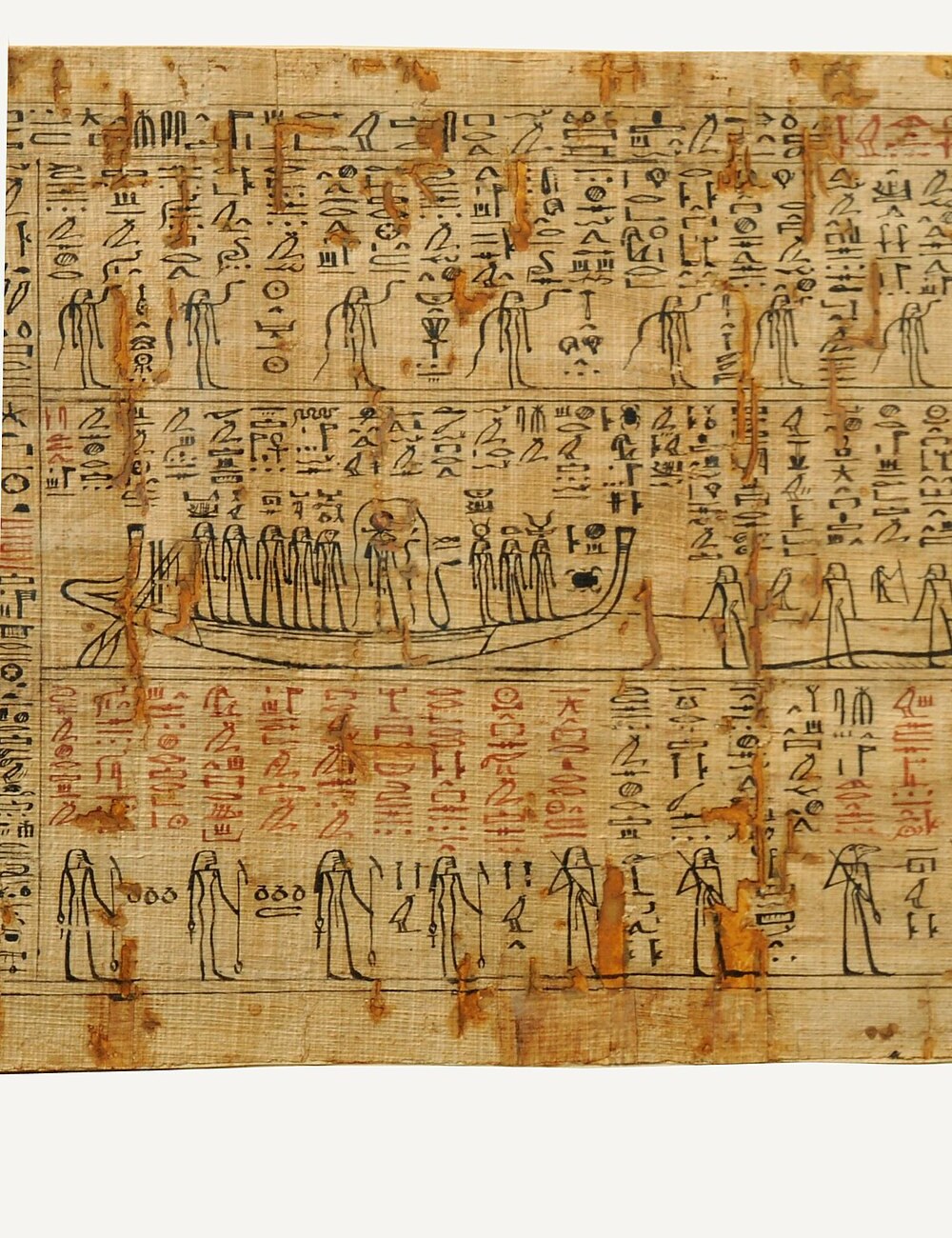
The Egyptian underworld is a road the sun and the dead must cross before dawn. A ram-headed sun is hauled by ropes through a valley of the dead, a serpent is staked with knives, and rebirth comes out of a monster's tail.
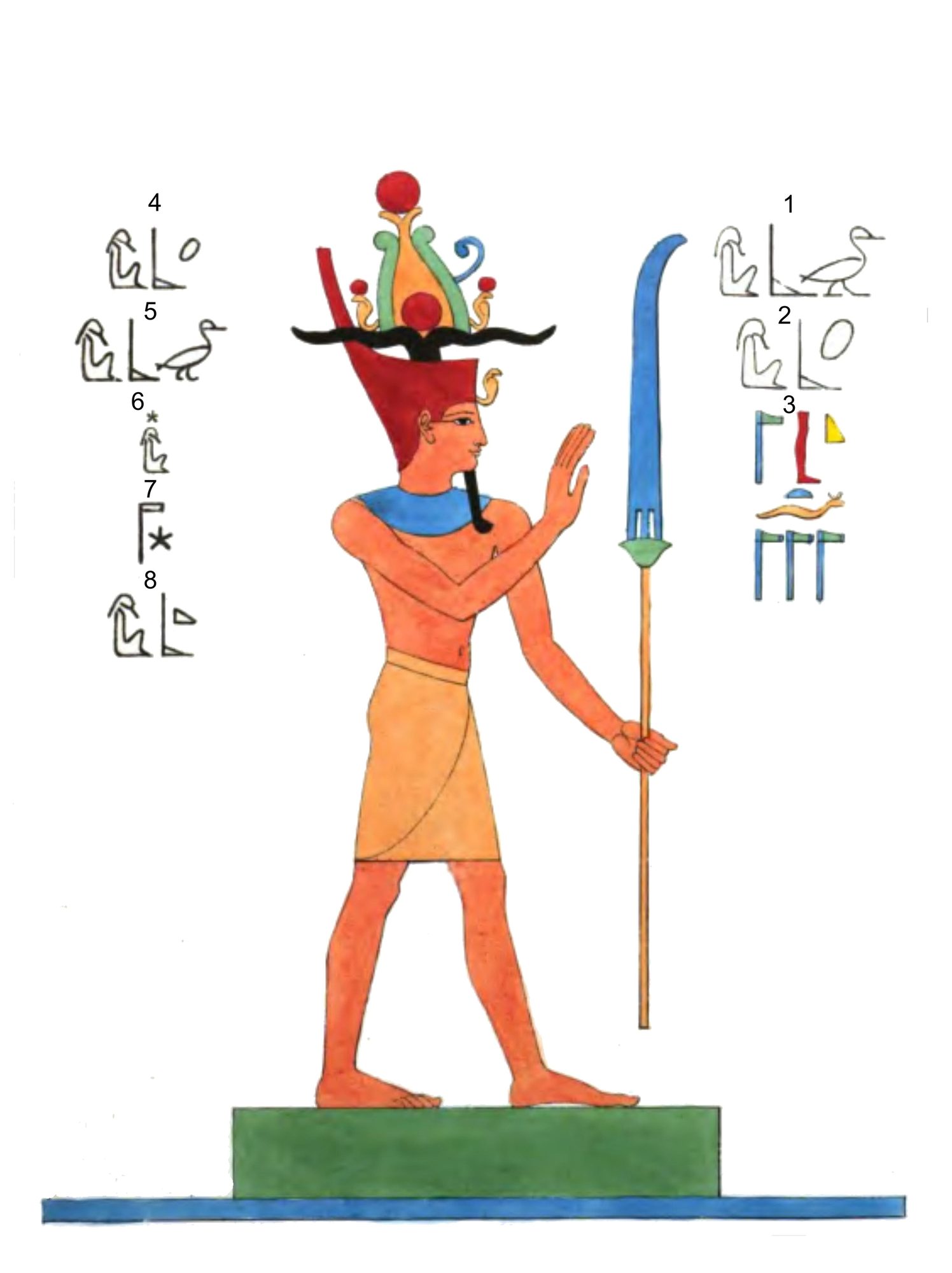
To bite the ground is to bite a god. He is the floor of the world, the judge at the head of the Nine, and the father who hands the throne of Egypt down to his son.
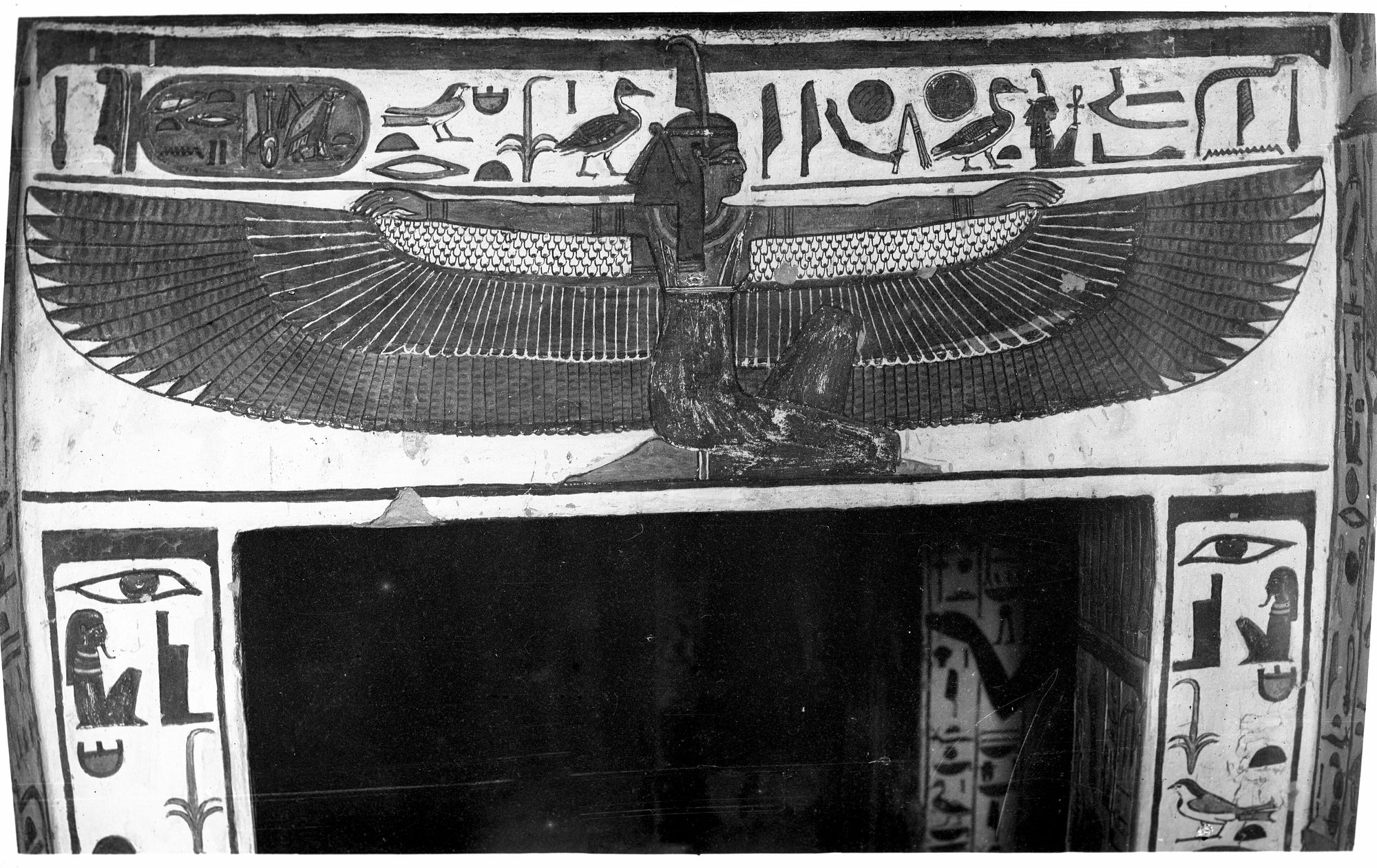
Truth, justice and the balance of the cosmos wear a single ostrich feather; against it the heart of the dead is weighed, and the gods themselves are said to live on her.
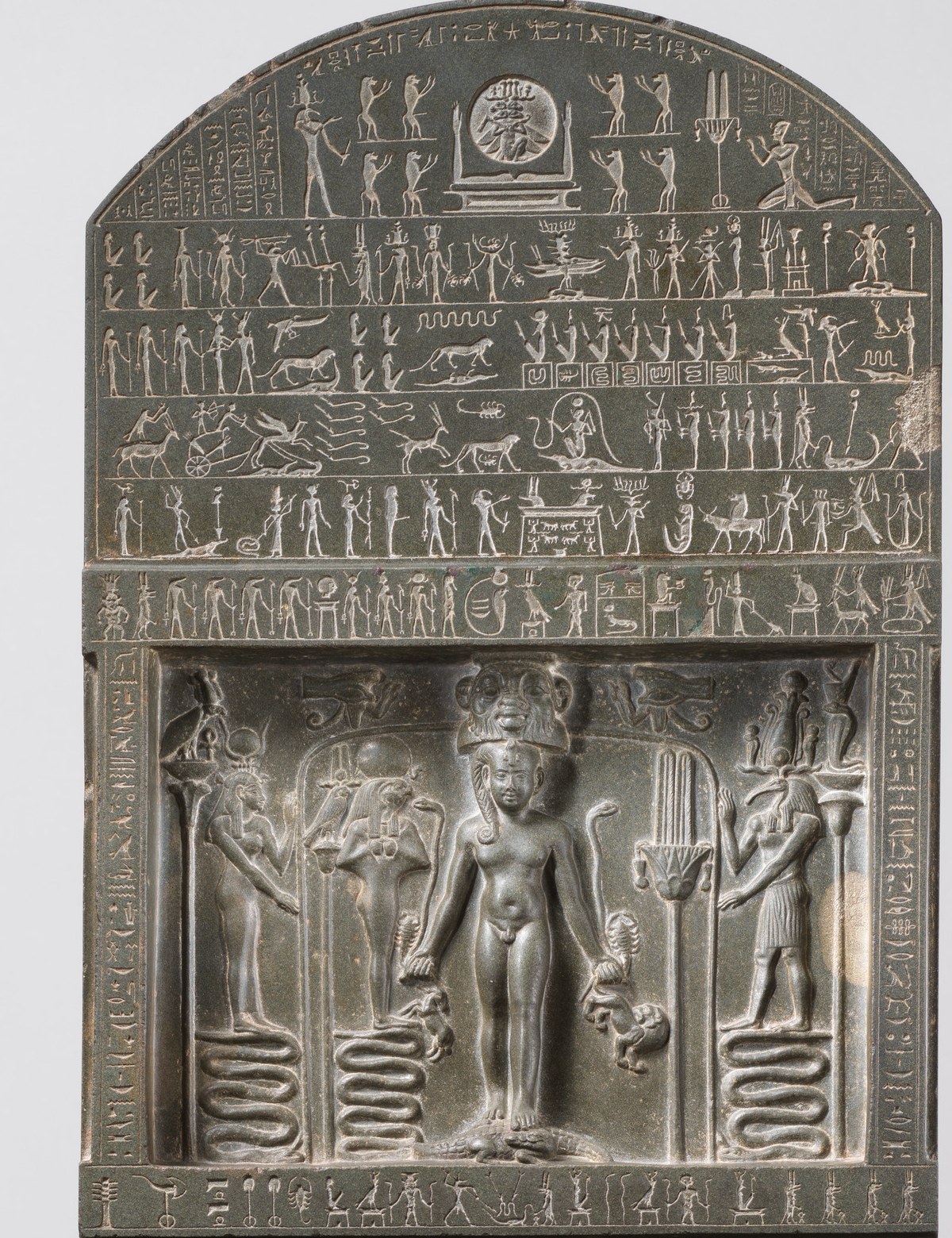
Eighty years of lawsuits and duels for a dead king's throne: an uncle and a nephew, a bench of gods that cannot make up its mind, and a mother who will not let her son lose.
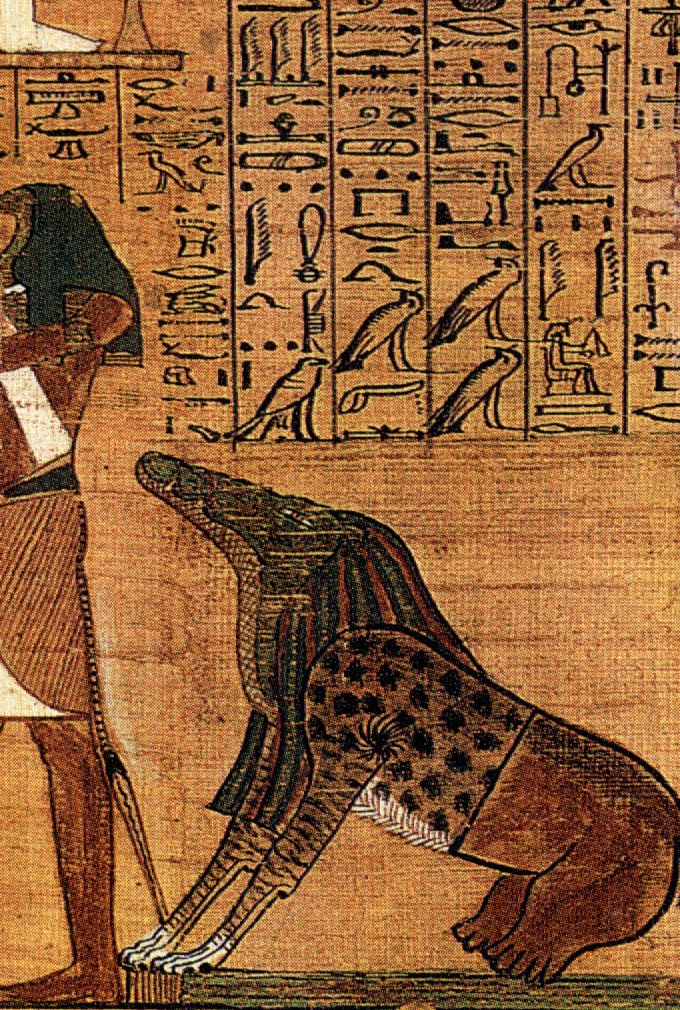
Ammit never lifts a claw and never speaks a line. The beast crouching by the scales in the Hall of the Two Truths does one thing only, and it is the worst thing the Egyptian afterlife could imagine.
Reed-pen in one hand and palette in the other, the ibis-headed god stands at the Great Balance and writes down whether a dead soul lived true: the recorder, the proclaimer, and the very word that ordered the world.
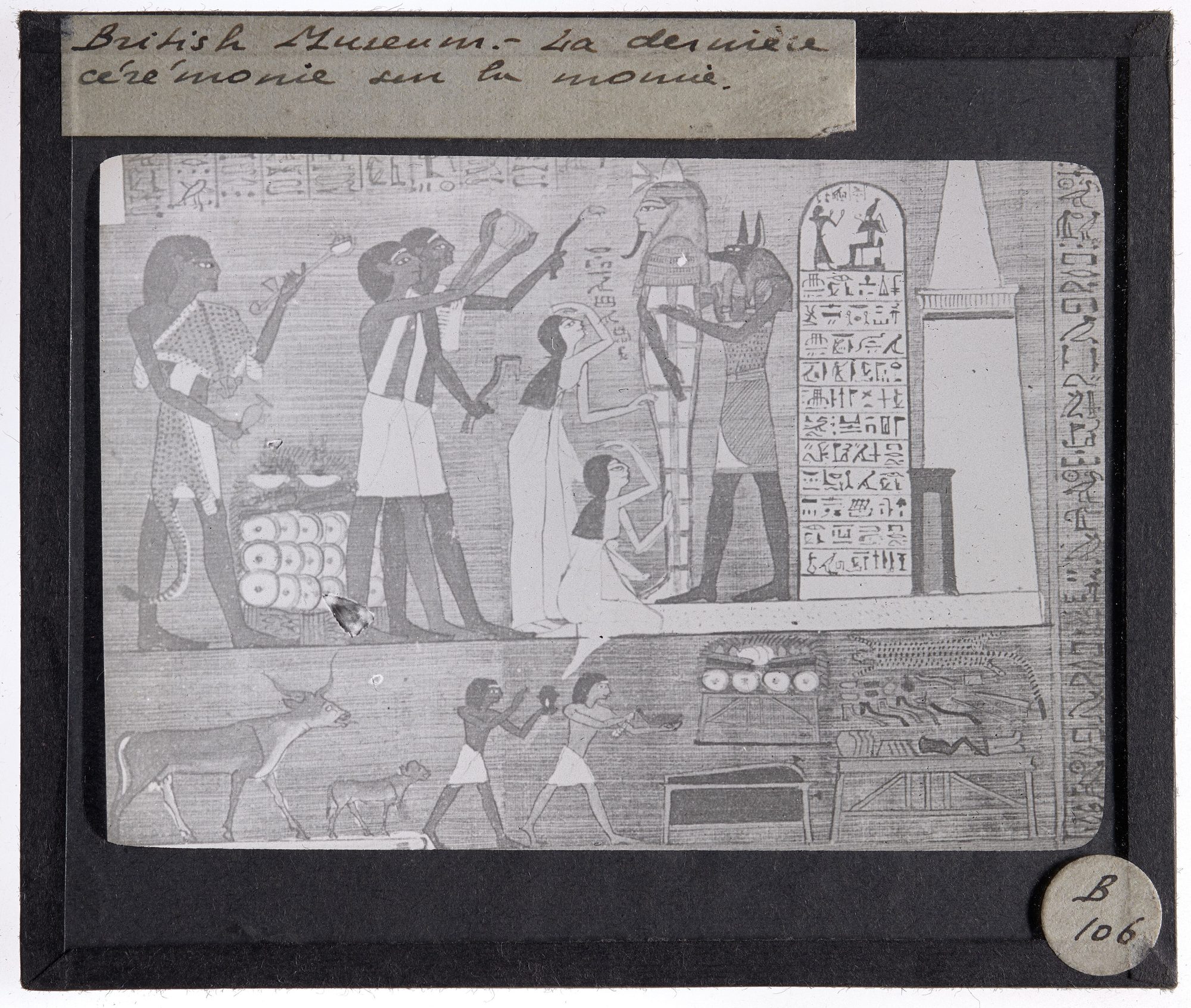
The jackal on the desert ridge, black as fresh silt and embalmer's resin: the god who washed the entrails of Osiris, kept watch over the corpse through the night, and stood at the balance where the heart was weighed.
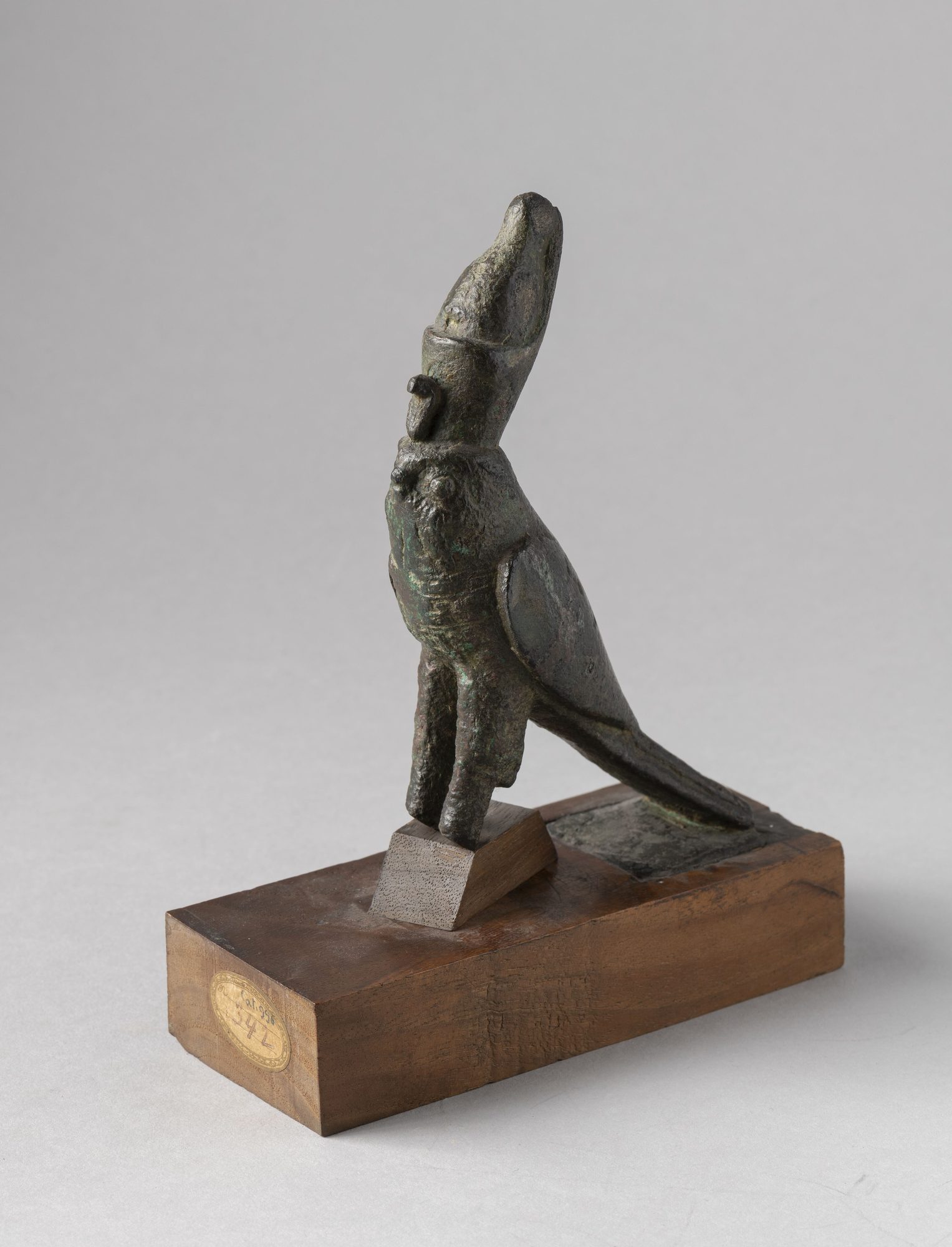
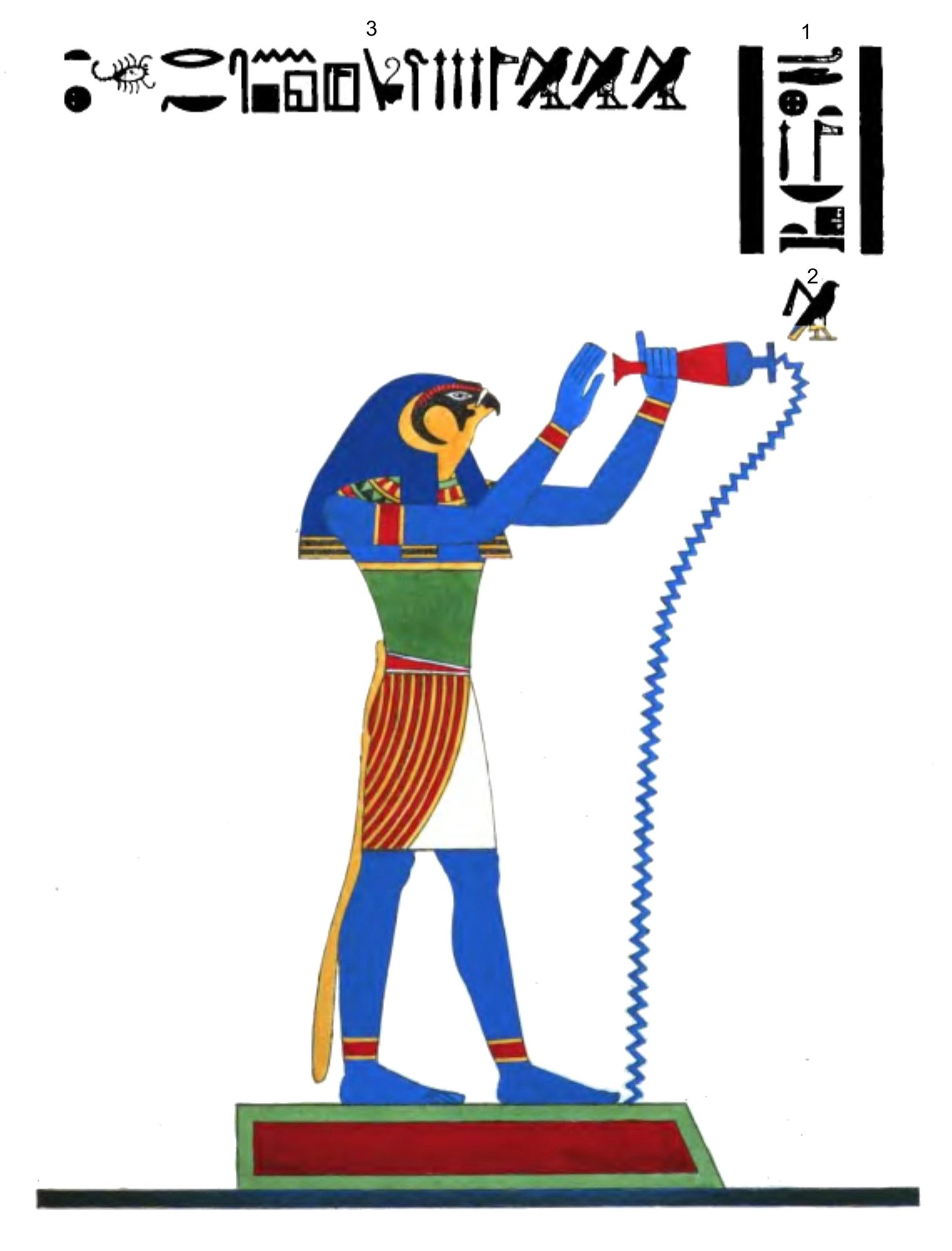
The falcon-headed heir who takes back a stolen throne: son of a murdered god, raised in a marsh, and vindicated before the assembled gods as the rightful king of Egypt.
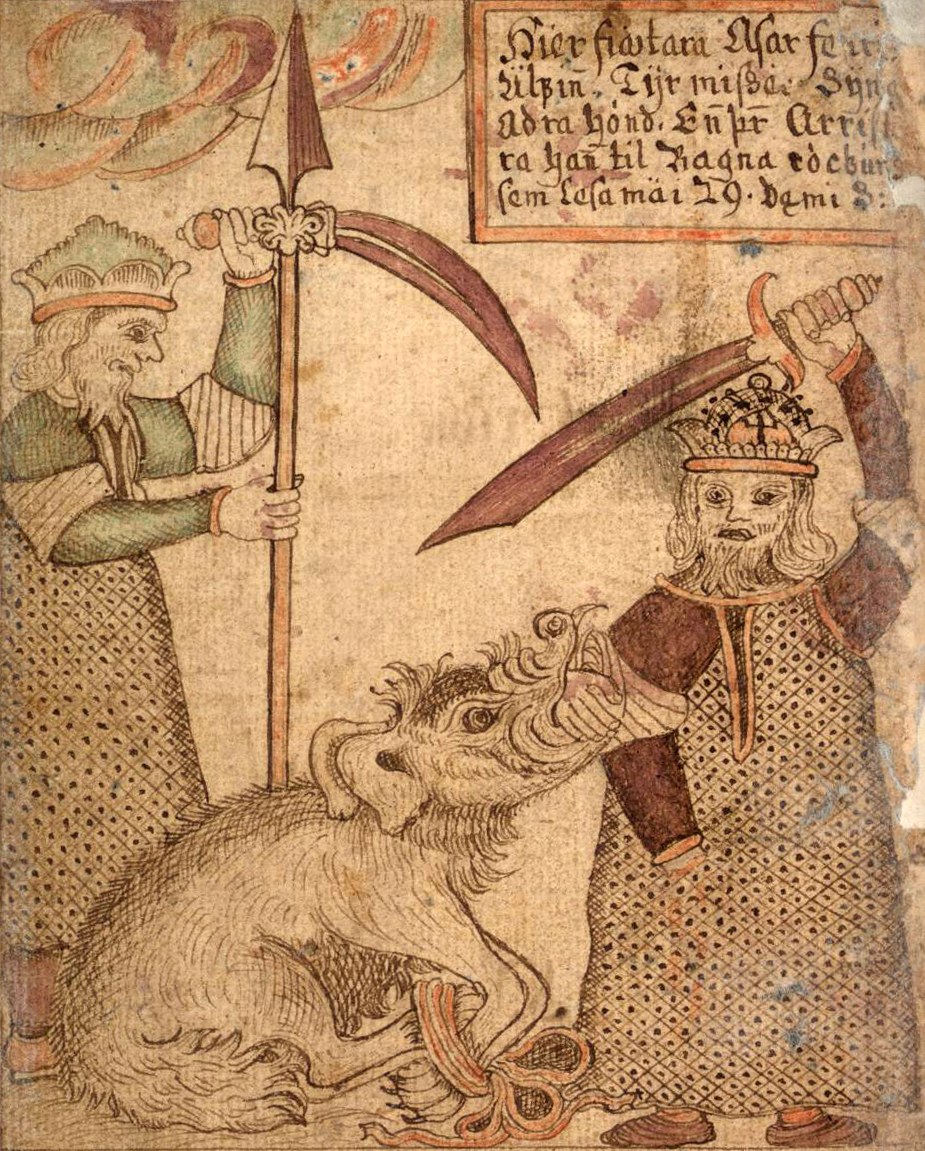
The boldest of the Aesir laid his sword-hand in a wolf's jaws to bind a doom he could not defeat, and lost it: the god who kept a pledge he knew was false.