
Mesop.
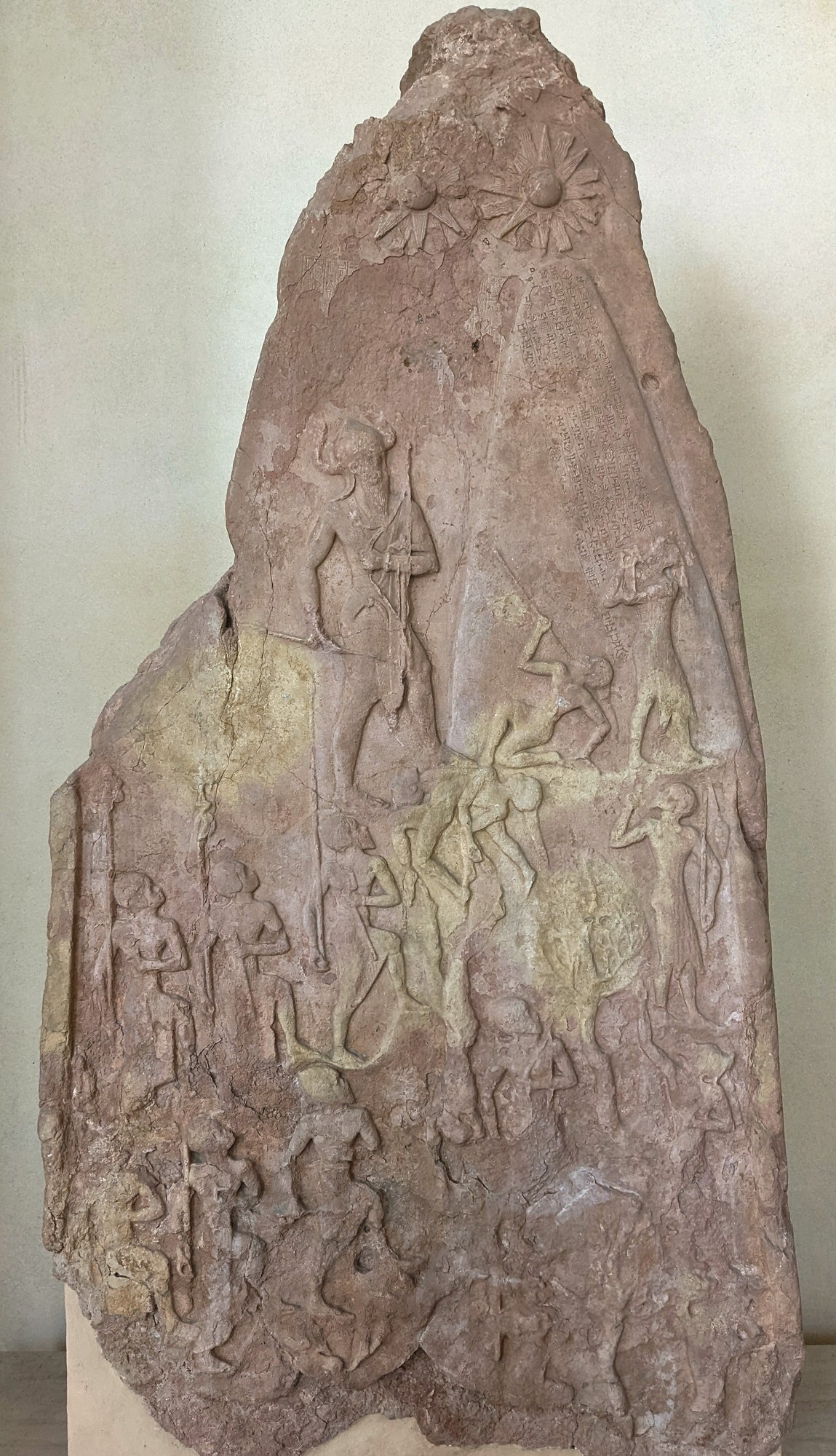
The Curse of Agade
A king took axes to the god's own house, packed the temple's gold into leather bags, and loaded it onto ships. So the poets, four centuries after the city fell, explained why Agade vanished from the earth.
Offering, ritual death, giving up something for power or favour.
A king took axes to the god's own house, packed the temple's gold into leather bags, and loaded it onto ships. So the poets, four centuries after the city fell, explained why Agade vanished from the earth.
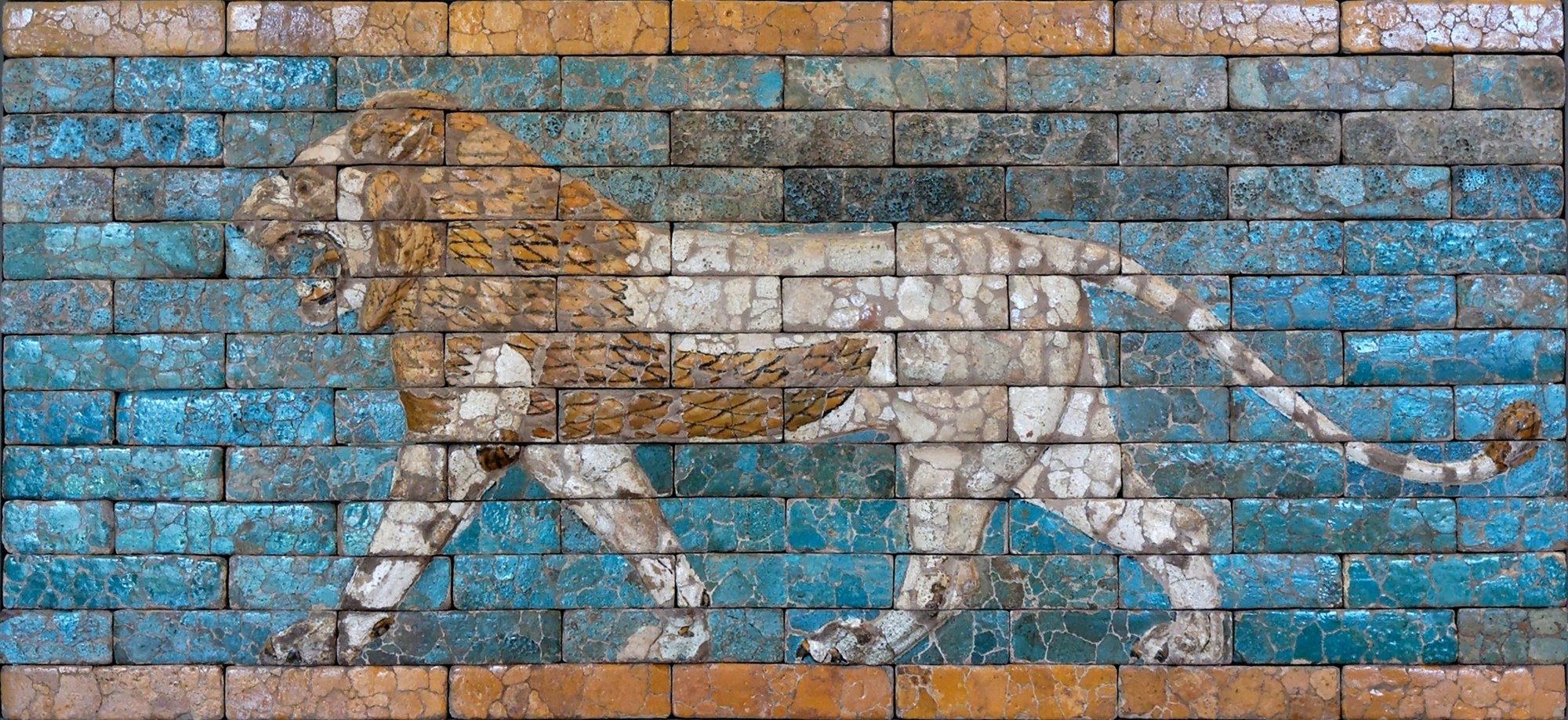
For eleven days each spring the priests of Babylon washed a god, stripped a king of his crown and slapped him until he wept, then carried the whole company of the gods out through the glazed gate to renew the year.
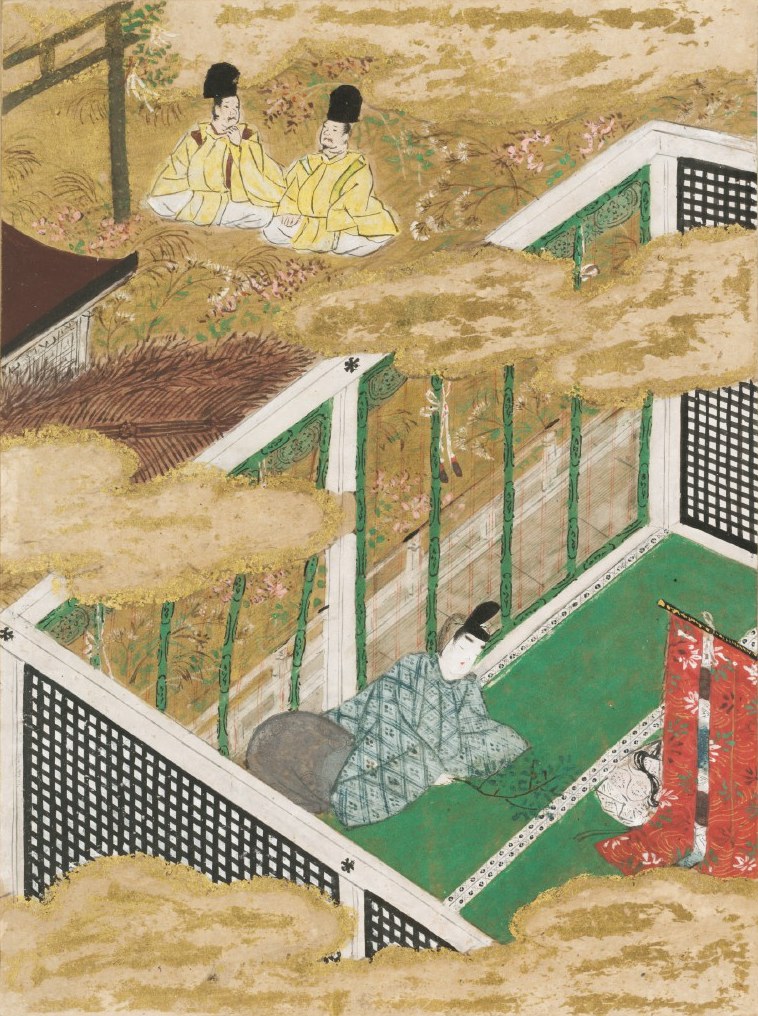
For a thousand years an unmarried princess was scorched out of a tortoise-shell and sent to serve the sun goddess at Ise, where she might not name death, blood, or the Buddha.
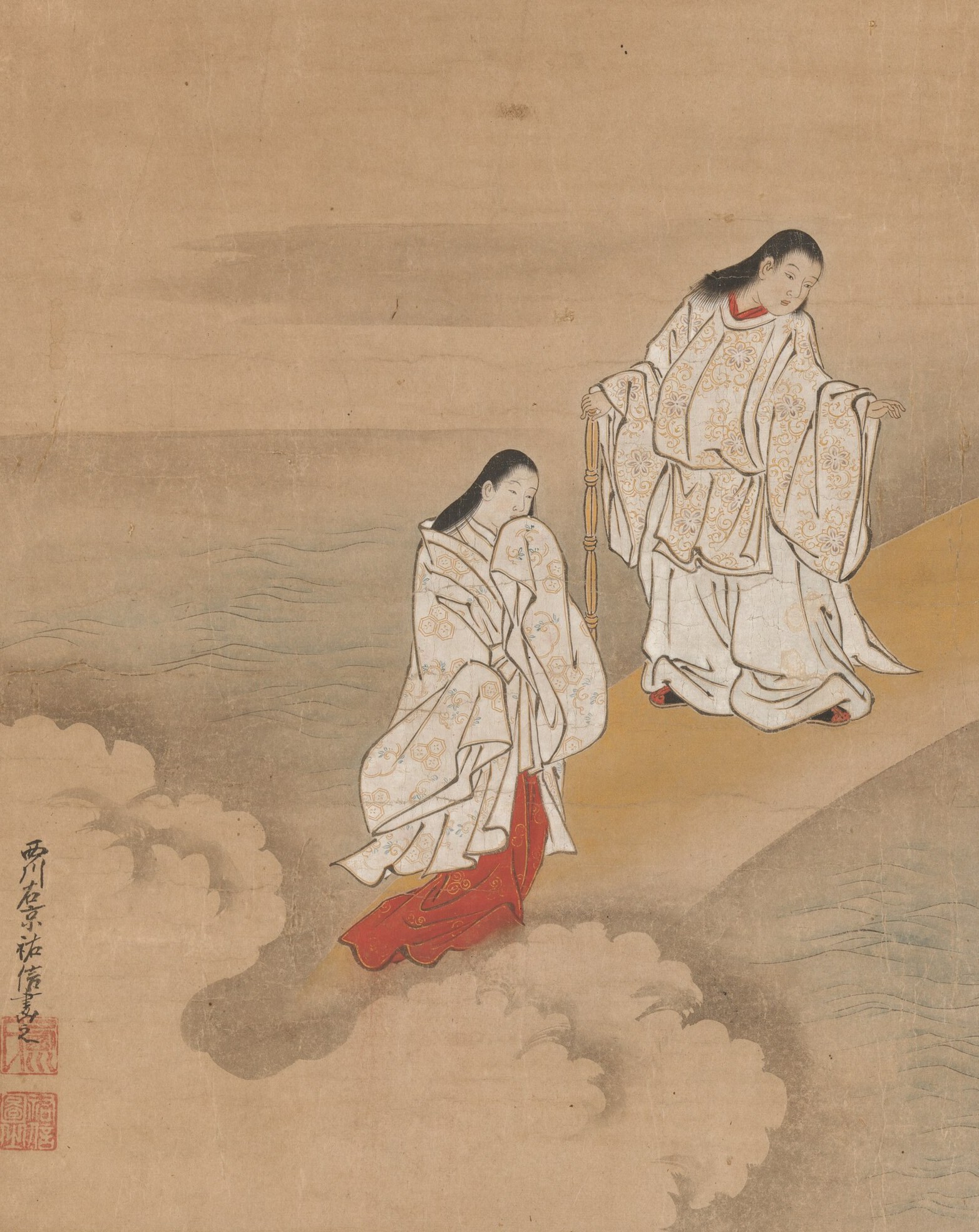
How the Japanese cosmos stacks in three storeys, and how gods and the dead move between them: a heaven above, a reed-plain between, a country of the dead below, and the doors, roads and one-way seals that join them.
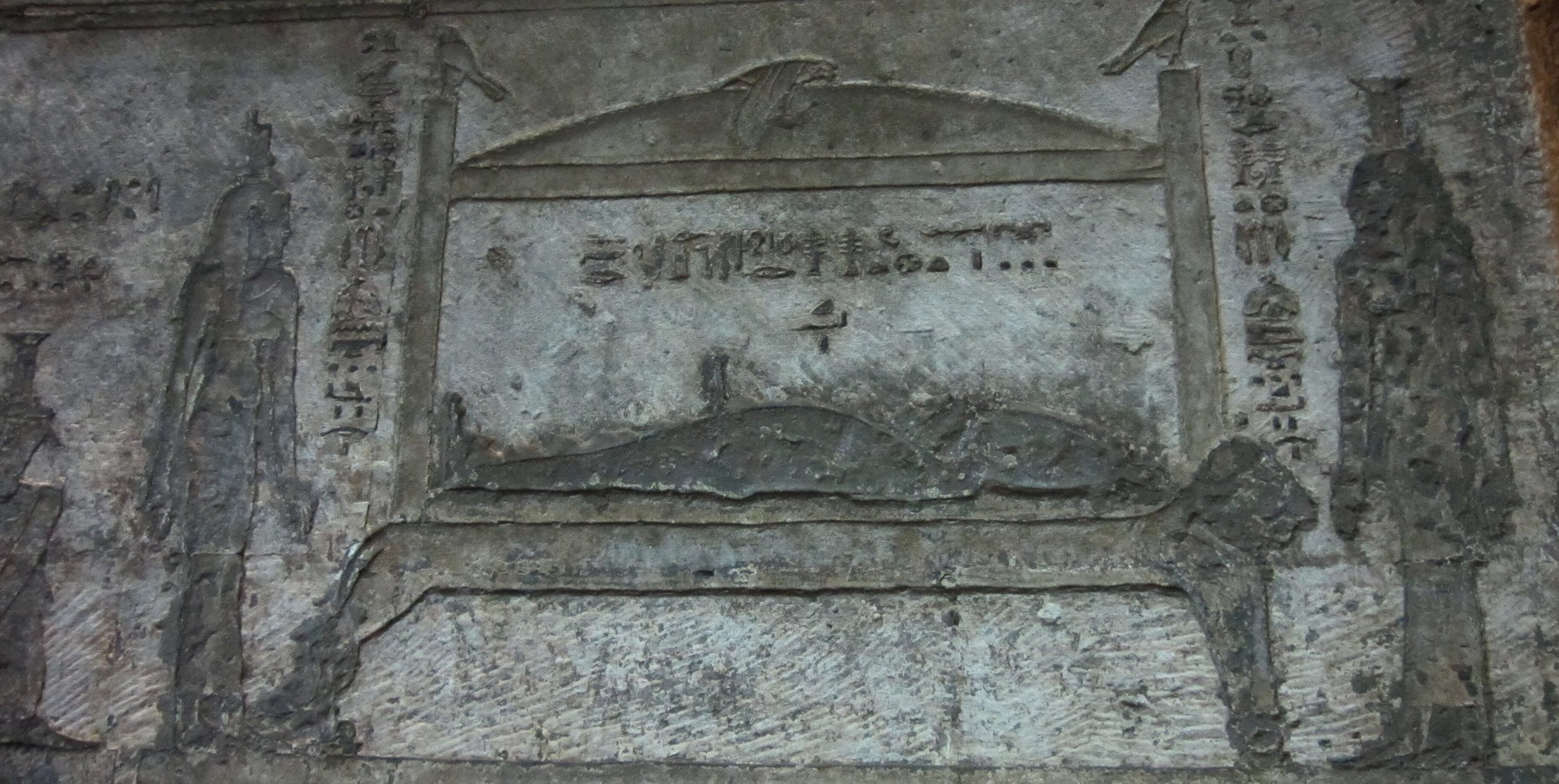
Once a year the god was carried out to die, hunted to his grave on the desert flats, and brought home again: what a royal treasurer, a Greek philosopher and a temple archive each saw of the drama, across seventeen centuries.
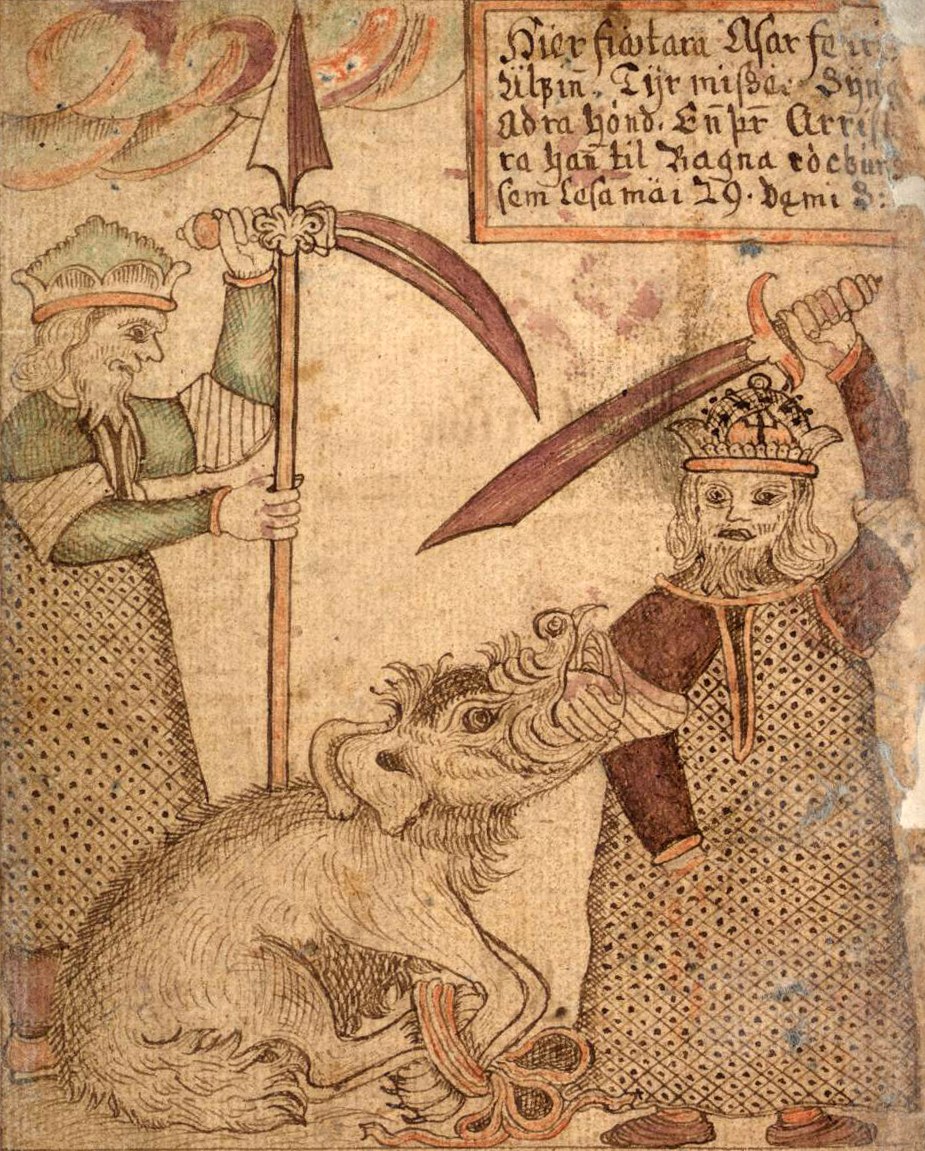
The boldest of the Aesir laid his sword-hand in a wolf's jaws to bind a doom he could not defeat, and lost it: the god who kept a pledge he knew was false.
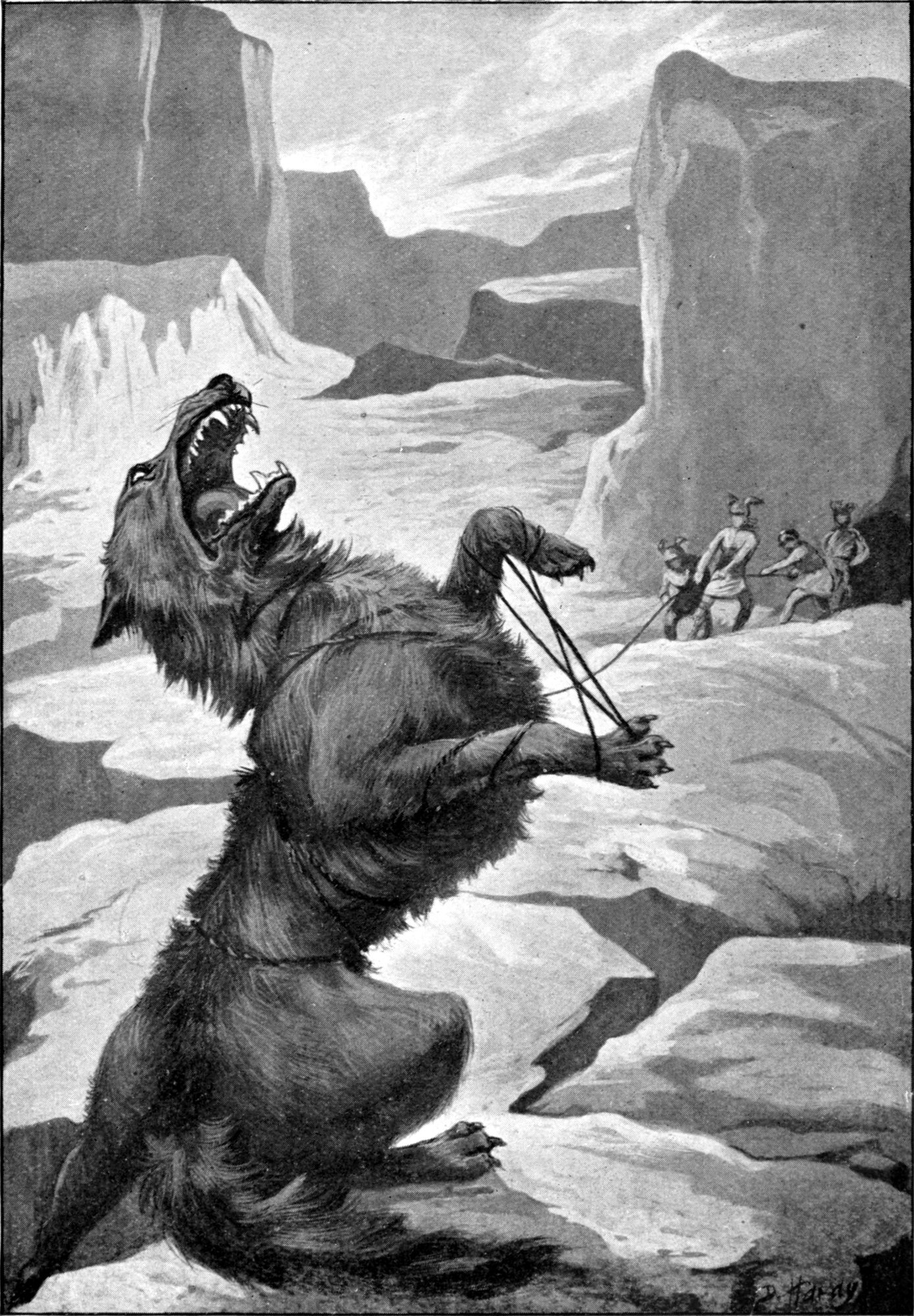
A wolf the gods reared at home, two iron chains he snapped like kindling, and a ribbon of six impossible things: how the Aesir caught the beast fated to kill Odin, and what it cost the one god brave enough to feed him.
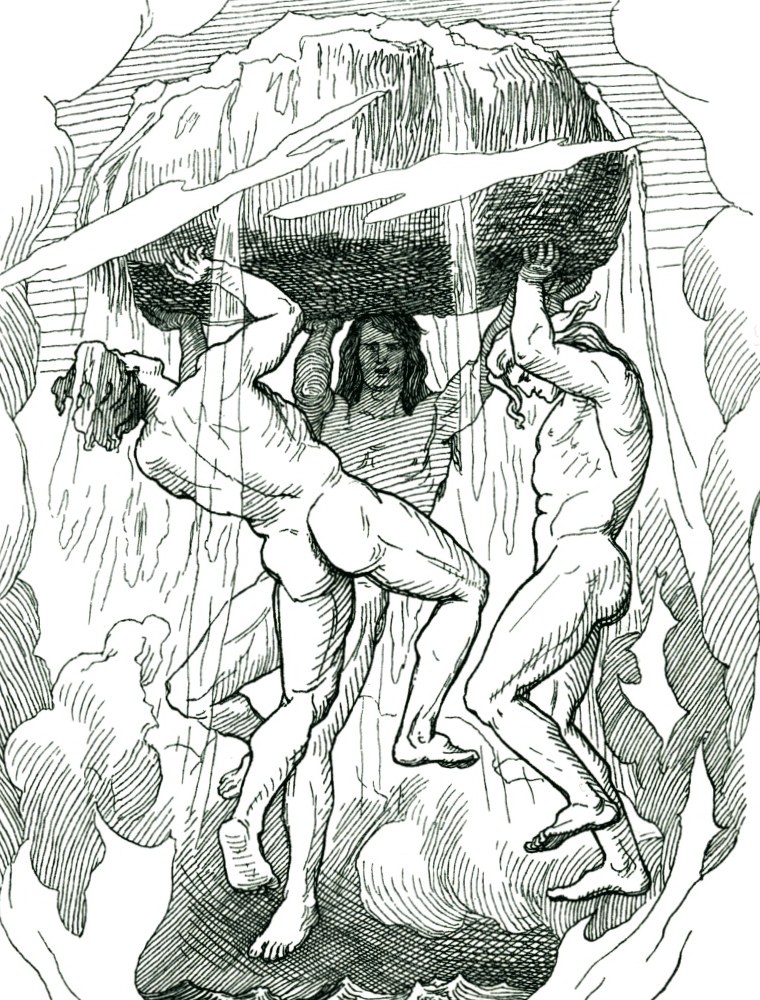
Before earth or heaven there was a yawning gap, and on either side of it fire and ice: how the first giant quickened between them, and how the world was built from his murdered body.
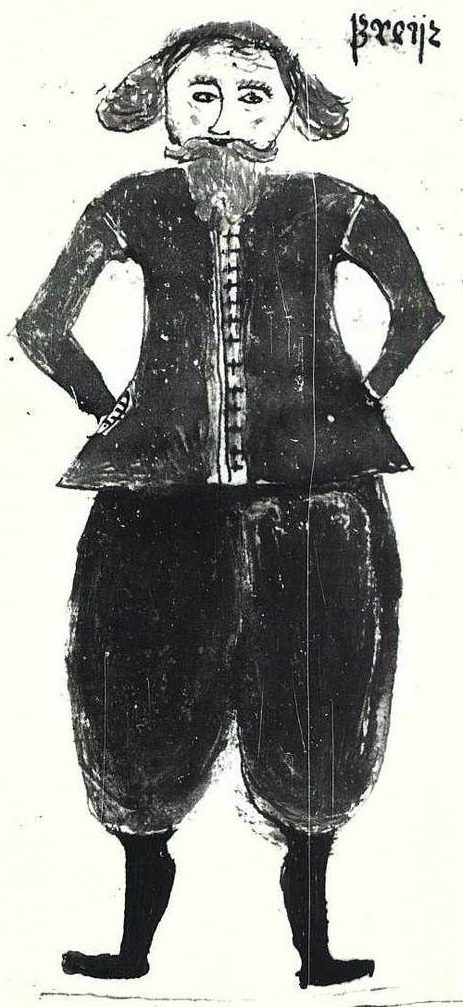
He climbed into a seat that was not his, looked out over all the worlds, and fell so hard for a giant's daughter that he gave away the one sword that could have saved him: the Vanir god of the fruitful season, lord of the elves, and the most renowned of the gods you called on for peace.
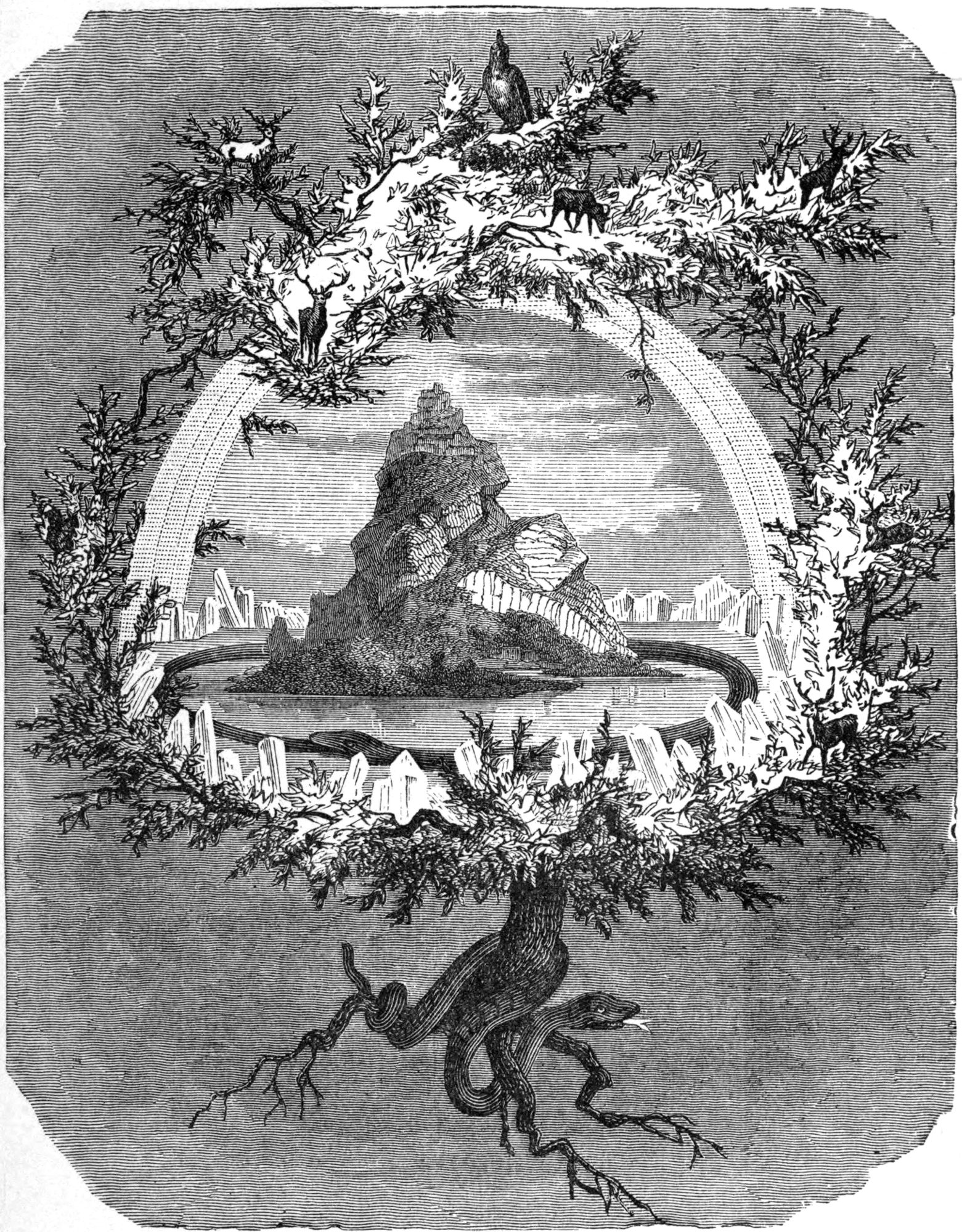
The great ash that binds the worlds is not a serene axis but a creature in perpetual pain: gnawed above, rotting within, torn from below, and still standing green over the well where the Norns pour their clay.
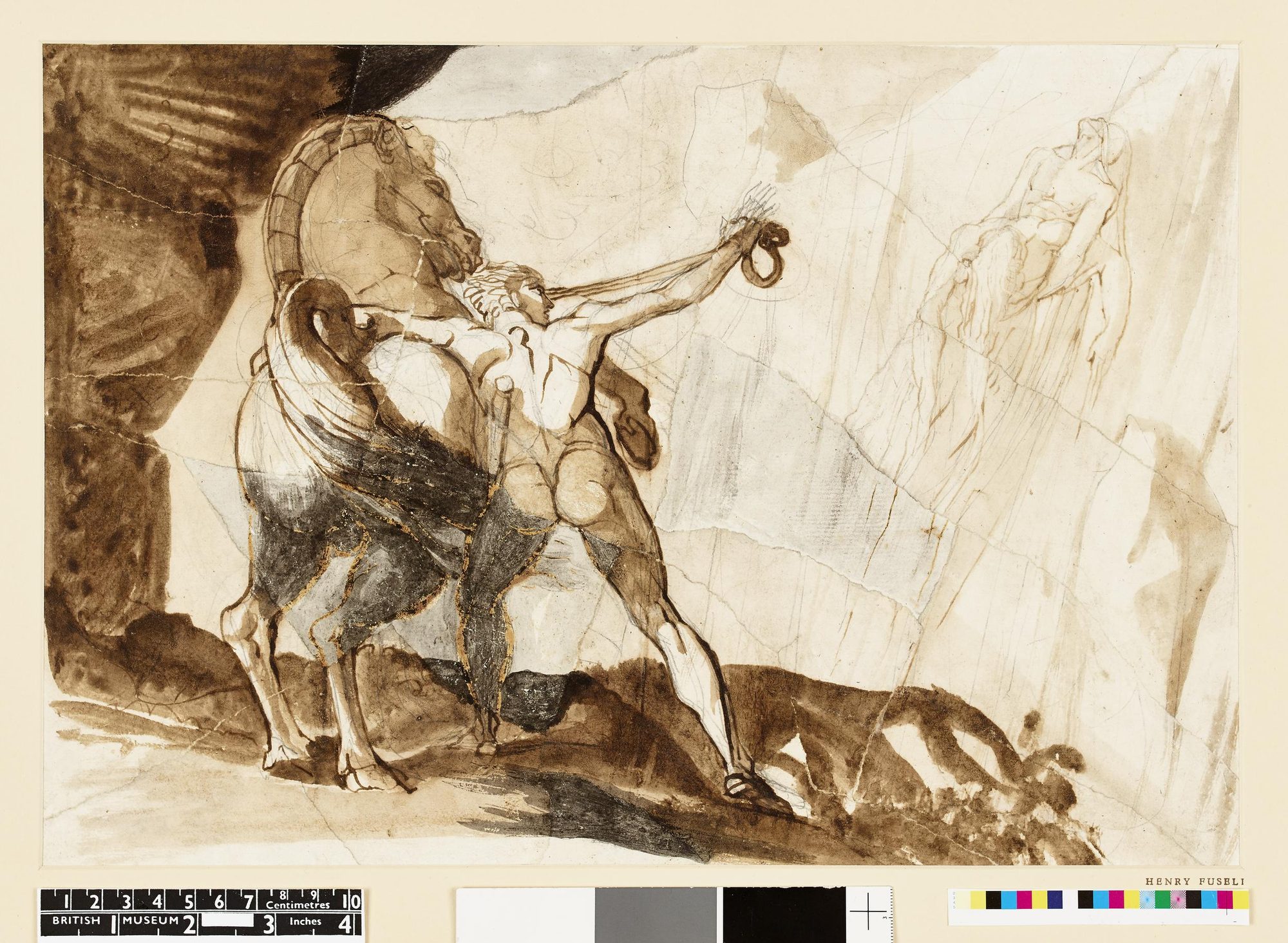
He hanged himself on the world-tree and gave an eye to a well, and in return he took the runes and the deepest draught of wisdom: the god who paid for knowledge in his own flesh.
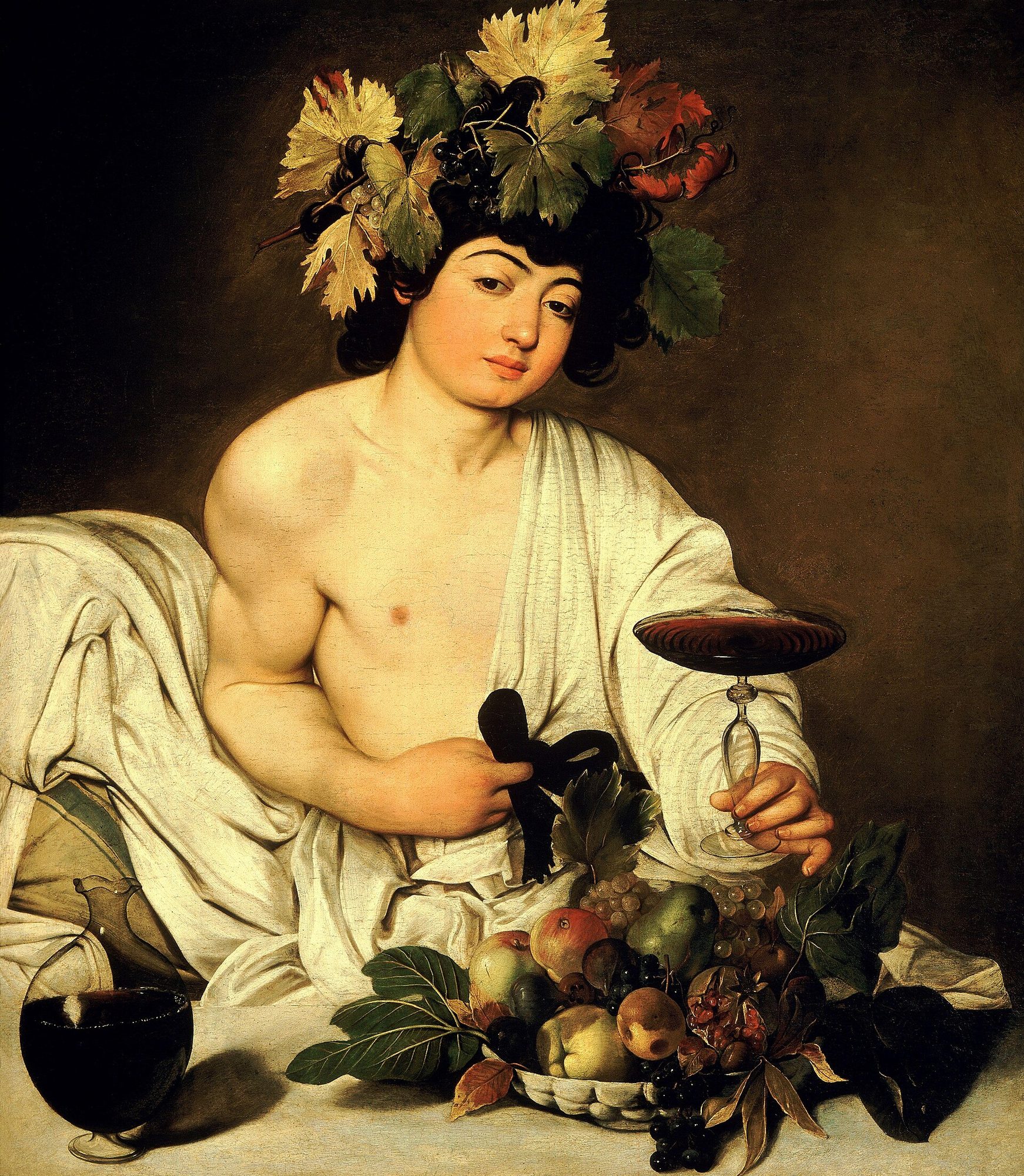
The twice-born stranger who turns pirates into dolphins and a mother into her son's killer, the loosener of cares who is lethal to anyone who denies him.
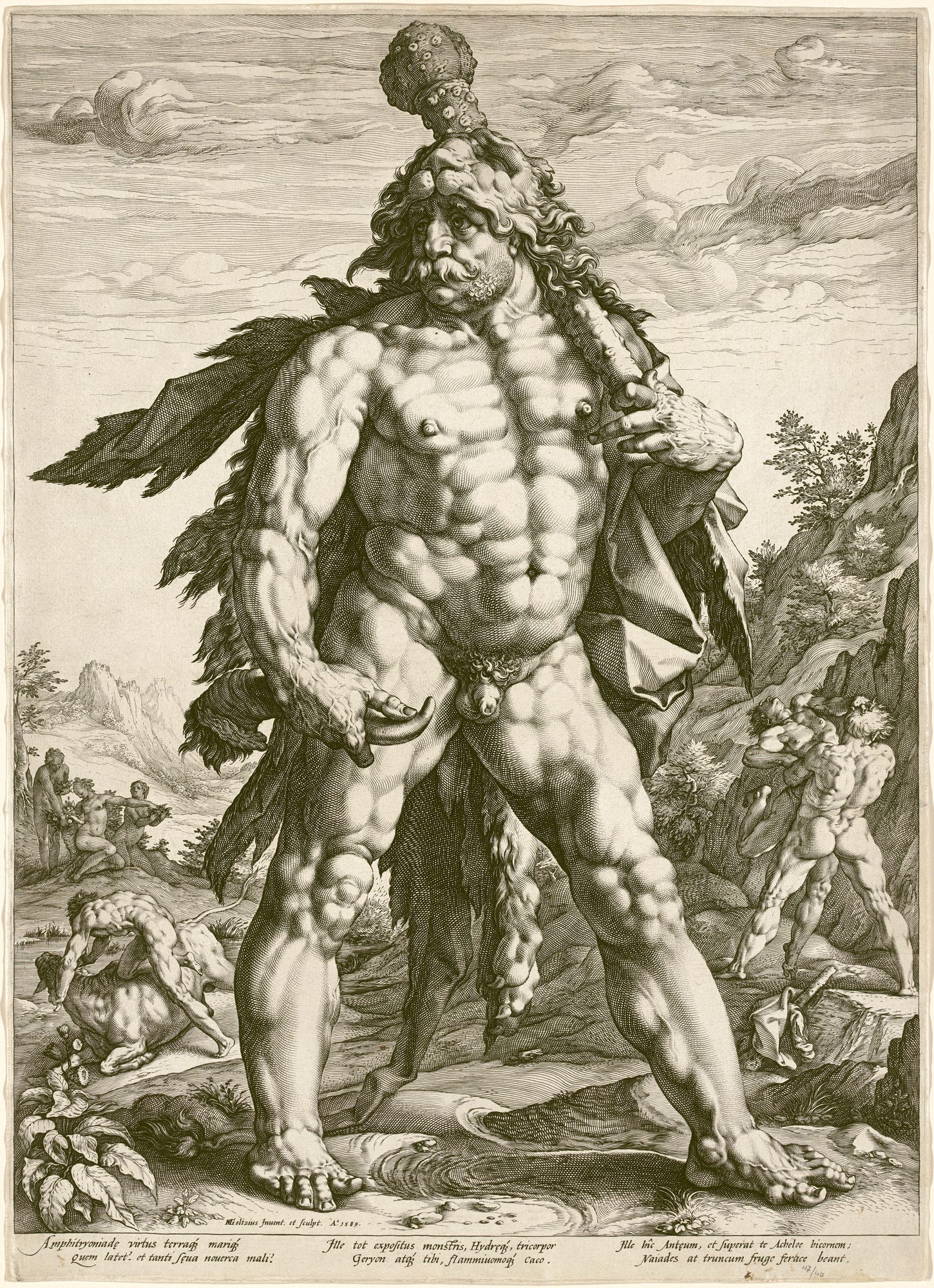
The strongman son of Zeus strangled serpents in his cradle and cleaned the world of monsters, but the labour that made him a god began in the ruin of his own house.